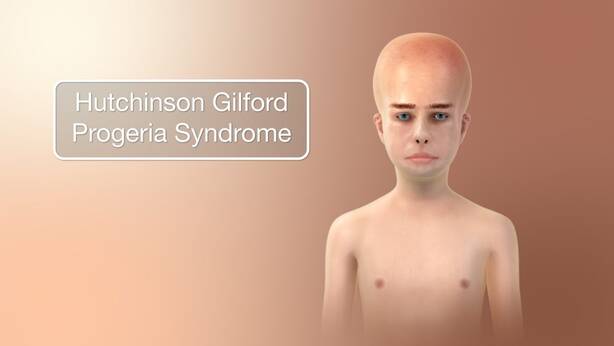
Progeria, formally recognized as Hutchinson-Gilford Progeria Syndrome (HGPS) is a rare genetic condition that accelerates the aging process in children. It affects about 1 in 20 million births; it usually shows up early in life and can have profound effects on a child’s physical growth. This blog post covers the causes, symptoms, Predisposing factors and treatment options for Progeria.
What Causes Progeria (Hutchinson-Gilford Syndrome)?
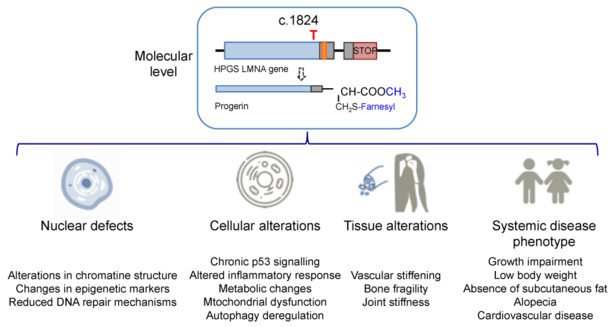
Genetic mutation LMNA gene mutation producing the lamin A protein.
Abnormal lamin — Effect of Lamin A Deficiency.
Indications of Progeria (Hutchinson-Gilford Syndrome)
- Delayed physical growth despite normal cognitive development.
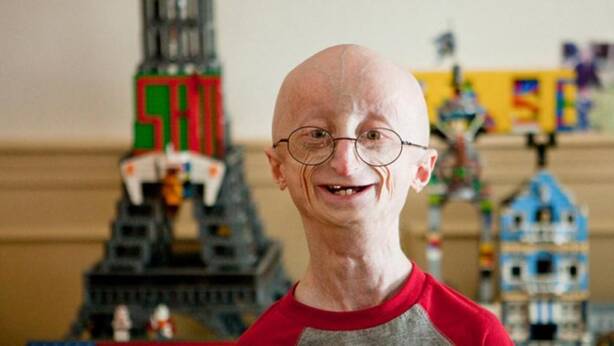
- Development of characteristic facial features (e.g., small face, pinched nose).
- Early onset of cardiovascular issues like arteriosclerosis.
Symptoms of Progeria (Hutchinson-Gilford Syndrome)
- Stunted growth and low body weight.
- Prominent veins, hair loss, and wrinkled skin.
- Joint stiffness and hip dislocations.
- Delayed or absent tooth development.
- Cardiovascular diseases, including heart attacks and strokes, at an early age.
Prevention Strategies of Progeria (Hutchinson-Gilford Syndrome)
Currently, there is no known prevention for Progeria as it results from a spontaneous genetic mutation. Early diagnosis and medical intervention can help manage symptoms and improve quality of life.
Myths and Facts About Progeria (Hutchinson-Gilford Syndrome)
- Myth: Progeria affects mental development.
Fact: Progeria does not impact cognitive abilities; children with Progeria are intellectually normal. - Myth: Progeria is contagious.
Fact: Progeria is a genetic disorder and cannot be transmitted. - Myth: Children with Progeria have a short life expectancy.
Fact: With advancements in treatments, children with Progeria can live longer and healthier lives.
Treatments and Therapy for Progeria
Medication-Based Treatments
- Lonafarnib: FDA-approved medication to reduce disease progression.
- Statins: Help manage cholesterol and prevent cardiovascular issues.
- Aspirin: Low-dose aspirin may reduce the risk of strokes.
Surgical Treatments
- Coronary Artery Bypass Surgery: To address severe arteriosclerosis.
- Hip Replacement Surgery: To manage joint issues and improve mobility.
Physical Therapy and Rehabilitation
- Regular physical therapy to improve joint flexibility and reduce stiffness.
- Occupational therapy for daily activity assistance.
Lifestyle and Behavioral Interventions
- Balanced diet rich in nutrients to support growth.
- Low-impact exercises to maintain mobility without strain.
Alternative and Complementary Medicine
- Yoga and meditation for stress relief and emotional well-being.
- Dietary supplements (e.g., omega-3 fatty acids) to support cardiovascular health.
Psychotherapy and Counseling
- Emotional support for children and their families to cope with the challenges of Progeria.
- Support groups to connect with other families facing similar situations.
Immunizations and Vaccines
- Standard vaccines to protect against infections, which can be more severe in children with Progeria.
Stem Cell Therapy
- Experimental approaches using stem cells to repair or replace damaged tissues.
Gene Therapy
- Research-focused interventions to correct or mitigate the LMNA gene mutation.
Top 20 FAQs on Progeria (Hutchinson-Gilford Syndrome)
1. What is Progeria?
Progeria, or Hutchinson-Gilford Progeria Syndrome (HGPS), is a rare genetic condition characterized by rapid aging in children.
2. How does Progeria affect the body?
Progeria affects physical growth, cardiovascular health, and skeletal structure while leaving cognitive development normal.
3. What causes Progeria?
A mutation in the LMNA gene causes Progeria. This gene produces lamin A, a protein critical for cell structure. The mutation leads to a defective version of the protein, causing cellular instability.
4. Is Progeria hereditary?
No, Progeria is usually not inherited. It arises from a spontaneous genetic mutation during conception.
5. How common is Progeria?
Progeria is extremely rare, with an incidence of approximately 1 in 20 million live births worldwide.
6. What are the symptoms of Progeria?
Symptoms include stunted growth, hair loss, joint stiffness, prominent veins, aged-looking skin, and cardiovascular issues.
7. At what age do symptoms of Progeria appear?
Symptoms typically appear within the first two years of life, often marked by slow growth and abnormal facial features.
8. Does Progeria affect mental abilities?
No, children with Progeria usually have normal cognitive and intellectual abilities.
9. How is Progeria diagnosed?
Progeria is diagnosed through a combination of physical symptom evaluation and genetic testing to identify mutations in the LMNA gene.
10. Can Progeria be cured?
There is no cure for Progeria, but treatments like Lonafarnib can help manage symptoms and improve life expectancy.
11. What treatments are available for Progeria?
- Lonafarnib: An FDA-approved drug to slow disease progression.
- Cardiovascular therapies and medications to manage heart health.
- Physical therapy for joint and mobility issues.
12. What is the life expectancy for someone with Progeria?
The average life expectancy is around 14–20 years, with some individuals living longer due to improved treatments.
13. Can Progeria be prevented?
No, Progeria cannot be prevented as it is caused by a spontaneous genetic mutation.
14. What role does Lonafarnib play in treating Progeria?
Lonafarnib is a farnesyltransferase inhibitor that reduces the accumulation of defective lamin A protein, improving cell function and cardiovascular health.
15. Are there any surgical treatments for Progeria?
Yes, surgeries like coronary artery bypass or hip replacements may be recommended to address specific complications.
16. Are there support groups for families of children with Progeria?
Yes, organizations like the Progeria Research Foundation provide resources, support, and connections for affected families.
17. What are the main challenges faced by children with Progeria?
Children with Progeria face challenges such as limited mobility, cardiovascular complications, and social adjustments due to their physical appearance.
18. Are children with Progeria prone to infections?
While their immune system is not specifically compromised, they may take longer to recover from infections due to their frail physical condition.
19. What ongoing research is being done for Progeria?
Research focuses on gene therapy, stem cell treatments, and improving existing therapies like Lonafarnib to extend and improve quality of life.
20. How can families cope with the challenges of Progeria?
Families can benefit from counseling, connecting with support groups, staying informed about new treatments, and fostering a loving, supportive environment for the child.
Conclusion
Progeria (Hutchinson-Gilford Syndrome) is a rare yet impactful condition that challenges medical science and families alike. While there is no definitive cure, advancements in treatments, including Lonafarnib and gene therapy, offer hope. Awareness, early intervention, and support are crucial in improving the quality of life for children living with Progeria.
Related video: