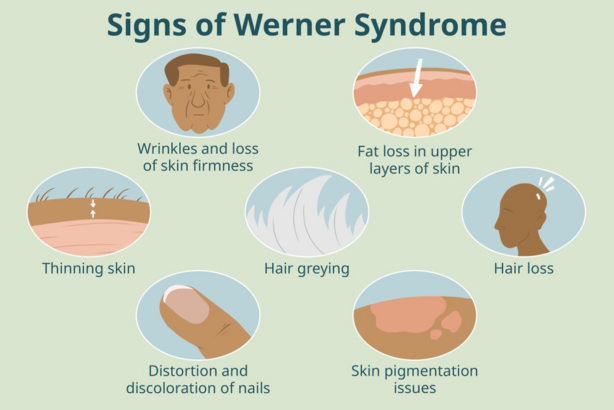
Werner Syndrome, also known as adult progeria, is a rare genetic disorder that causes accelerated aging in individuals. Typically manifesting in early adulthood, this condition affects multiple systems in the body and leads to various age-related complications, such as cataracts, osteoporosis, and an increased risk of cancer. The syndrome is caused by mutations in the WRN gene, which plays a critical role in DNA repair and maintenance.
Causes of Werner Syndrome
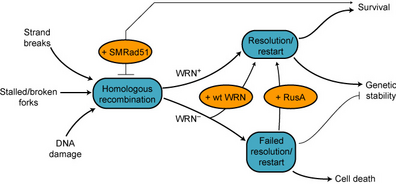
Werner Syndrome is primarily caused by autosomal recessive mutations in the WRN gene. This gene produces a protein essential for maintaining the stability and integrity of DNA. When the WRN protein is deficient or absent, it leads to increased cell damage and premature aging. Both parents must carry the faulty gene for a child to inherit the disorder.
Indications of Werner Syndrome
The condition often remains unnoticed until adolescence or early adulthood. Early indications include:
- Slowed growth in adolescence
- Thinning and graying of hair
- Changes in skin texture, resembling aged skin
- Unexplained weight loss
Symptoms of Werner Syndrome
Werner Syndrome symptoms resemble the signs of aging but appear much earlier in life. Common symptoms include:
- Early graying or loss of hair
- Cataracts in both eyes
- Osteoporosis and fractures
- Diabetes mellitus
- Arteriosclerosis
- Increased cancer risk
- Thin, wrinkled skin
- Muscle atrophy
Prevention Strategies for Werner Syndrome
While Werner Syndrome cannot be entirely prevented due to its genetic nature, early diagnosis and intervention can help manage complications. Strategies include:
- Genetic counseling for at-risk families
- Regular health check-ups for early detection of complications
- Adoption of a healthy lifestyle to mitigate secondary issues
Myths and Facts About Werner Syndrome
- Myth: Werner Syndrome is contagious.
Fact: Werner Syndrome is a genetic condition and cannot be transmitted from person to person. - Myth: It only affects appearance.
Fact: While physical changes are visible, it impacts internal systems, increasing risks of diabetes, cancer, and cardiovascular issues. - Myth: There’s no treatment for Werner Syndrome.
Fact: While there’s no cure, treatments can effectively manage symptoms and improve quality of life.
Treatments and Therapy
Medication-Based Treatments
Medications are used to manage complications such as diabetes, high cholesterol, or hypertension. Anti-inflammatory drugs may also be prescribed for joint pain or other symptoms.
Surgical Treatments
Surgeries like cataract removal or vascular procedures can address specific complications associated with Werner Syndrome.
Physical Therapy and Rehabilitation
Physical therapy helps improve mobility, reduce muscle stiffness, and enhance overall well-being.
Lifestyle and Behavioral Interventions
Adopting a balanced diet, regular exercise, and stress management techniques can significantly improve symptoms and delay complications.
Alternative and Complementary Medicine
While not proven, some individuals explore herbal remedies, acupuncture, or mindfulness practices for symptom relief.
Psychotherapy and Counseling
Psychological support is crucial for individuals coping with the emotional and social challenges of Werner Syndrome.
Immunizations and Vaccines
Keeping up-to-date with vaccinations is essential to prevent infections that could worsen the condition.
Stem Cell Therapy
Research is underway to explore the potential of stem cell therapy in repairing damaged tissues and slowing the progression of the disease.
Gene Therapy
Emerging research focuses on correcting WRN gene mutations, offering hope for future treatments.
Top 20 FAQ on Werner Syndrome
1. What is Werner Syndrome?
Werner Syndrome is a rare genetic disorder characterized by premature aging, typically beginning in adolescence or early adulthood. It affects multiple systems in the body and is often referred to as “adult progeria.”
2. How is Werner Syndrome inherited?
Werner Syndrome is inherited in an autosomal recessive manner. This means both parents must carry a copy of the mutated gene (WRN gene) for their child to develop the condition.
3. At what age does Werner Syndrome typically appear?
Werner Syndrome symptoms usually appear in the late teens or early twenties. Common early signs include short stature, premature graying or loss of hair, and thickened skin.
4. Can Werner Syndrome be diagnosed at birth?
No, Werner Syndrome cannot be diagnosed at birth as symptoms typically develop later in life. However, genetic testing can identify the mutation early if there’s a family history.
5. What tests confirm Werner Syndrome?
Diagnosis can be confirmed through:
- Genetic testing to identify mutations in the WRN gene.
- Clinical evaluation of symptoms like premature aging, cataracts, and skin changes.
- Imaging tests to detect bone abnormalities.
6. Are there lifestyle changes to manage symptoms?
Yes, lifestyle changes can help manage symptoms, including:
- Regular exercise to maintain mobility.
- A balanced diet rich in nutrients to support overall health.
- Regular medical checkups to monitor complications.
7. What are the common complications of Werner Syndrome?
- Type 2 diabetes.
- Atherosclerosis (hardening of arteries).
- Osteoporosis.
- Cataracts.
- Increased risk of certain cancers, such as sarcomas and thyroid cancer.
8. Is there a cure for Werner Syndrome?
Currently, there is no cure for Werner Syndrome. Treatment focuses on managing symptoms and preventing complications.
9. How does Werner Syndrome affect life expectancy?
People with Werner Syndrome typically have a shortened life expectancy, living until their late 40s or early 50s. The primary causes of death are cardiovascular disease and cancer.
10. Can Werner Syndrome cause infertility?
Yes, Werner Syndrome can cause infertility in both men and women due to underdeveloped or impaired reproductive organs.
11. Is genetic counseling recommended for families?
Yes, genetic counseling is highly recommended for families with a history of Werner Syndrome to assess the risk of passing the condition to future generations.
12. Are there support groups for Werner Syndrome patients?
Yes, there are support groups and organizations that provide resources and connect patients and families. Examples include rare disease networks and patient advocacy groups.
13. How does Werner Syndrome differ from Hutchinson-Gilford Progeria?
- Werner Syndrome: Symptoms appear in adolescence or early adulthood (adult progeria).
- Hutchinson-Gilford Progeria: Symptoms begin in early childhood.
Both involve premature aging but differ in onset and genetic cause.
14. What types of cancers are associated with Werner Syndrome?
People with Werner Syndrome are at increased risk for:
- Thyroid cancer.
- Melanoma.
- Osteosarcoma (bone cancer).
- Soft tissue sarcomas.
15. Can Werner Syndrome be detected through genetic testing?
Yes, genetic testing can detect mutations in the WRN gene, confirming a diagnosis and helping identify carriers in a family.
16. What is the role of diet in managing Werner Syndrome?
A healthy diet can help manage complications like diabetes and cardiovascular disease. Focus on:
- High-fiber foods.
- Lean proteins and healthy fats.
- Limiting processed foods and sugars.
17. Does Werner Syndrome affect mental health?
Yes, the physical and social challenges of Werner Syndrome can impact mental health, potentially leading to anxiety, depression, or social isolation.
18. Are there government programs for rare diseases like Werner Syndrome?
Many countries have programs to support rare diseases, such as the National Organization for Rare Disorders (NORD) in the US or similar initiatives worldwide, offering resources, funding, and advocacy.
19. Can Werner Syndrome patients lead independent lives?
With proper management and support, many individuals can lead relatively independent lives, though some may require assistance as complications progress.
20. What advancements are being made in Werner Syndrome research?
Research focuses on:
- Gene therapy to correct WRN mutations.
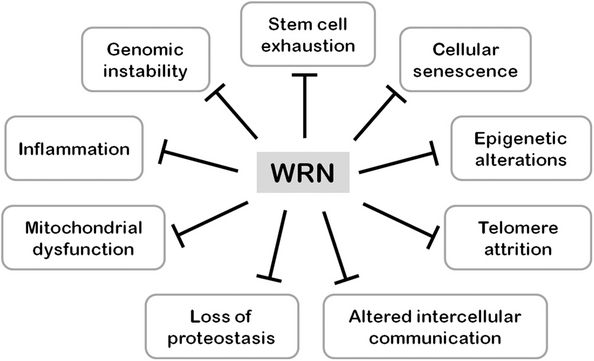
- Exploring the role of telomeres and cellular aging.
- Drug development to target age-related complications like diabetes and cancer.
Conclusion
Werner Syndrome is a challenging condition, but with early diagnosis and proper management, individuals can improve their quality of life. Advancements in research, including gene and stem cell therapies, offer hope for better treatments in the future. If you or someone you know is affected by Werner Syndrome, consult a healthcare professional and consider joining support networks to share experiences and gain insights.
Related video: