Introduction
It is two in the morning, and you wake up to your child calling out, their skin burning to the touch. Or perhaps you are an adult, suddenly overcome by a wave of intense chills, body aches, and a headache that makes it difficult to even lift your head. In these moments, panic is a natural human reaction. Fever is often one of the most stressful experiences a family can face, primarily because it signals that something—we do not always know what—is wrong.However, it is important to take a deep breath and look at the situation calmly. Fever is rarely the enemy; it is, in fact, your body’s sophisticated defense mechanism. It is your immune system’s way of saying it has identified an invader and is turning up the internal thermostat to make it harder for viruses or bacteria to thrive. While it is uncomfortable, it is often a sign that your body is working exactly as it should to protect you.Managing fever is not always about aggressively bringing the temperature down as quickly as possible. Rather, it is about maintaining comfort, preventing complications like dehydration, and monitoring the situation closely to know when your body needs external support from a healthcare professional. Whether you are dealing with a mild cold or a more persistent viral infection, the goal of home care is to support your body’s natural healing process.At AskDoctorLive ASKDOCTORLIVE, we believe that knowledge is the best remedy for anxiety. When you understand why a fever occurs, what constitutes a dangerous level, and which symptoms require urgent action, you shift from a place of fear to a place of informed care. This guide is designed to be your comprehensive manual for navigating the challenges of fever, offering clear, actionable steps for managing it safely at home while providing the clarity needed to recognize when it is time to reach out to a doctor.
What is Fever?
At its simplest, a fever is a temporary increase in your body’s temperature. It is often a symptom of an underlying condition rather than a disease in itself. The hypothalamus, which is a small area in the brain that acts as your body’s internal thermostat, is responsible for keeping your temperature within a relatively narrow, stable range.
Under normal circumstances, your body temperature fluctuates throughout the day—usually lower in the early morning and higher in the late afternoon. The average normal temperature is generally considered to be 98.6°F (37°C), but it can vary slightly from person to person. When you have an infection, your immune system releases chemicals that signal the hypothalamus to raise this set point. Think of it like turning up the furnace in your house to kill off a pest infestation. By raising the temperature, your body creates an environment that is less hospitable to bacteria and viruses.
Why Do We Fear Fever?
The fear surrounding fever is largely historical. We often equate high heat with danger because, in extreme cases, it can cause distress. However, it is vital to distinguish between a “fever” and “hyperthermia.” Hyperthermia is an uncontrolled rise in body temperature caused by external factors like heatstroke or certain medications, where the body’s internal thermostat is broken. Fever, by contrast, is a controlled, purposeful response.
Understanding Temperature Ranges
It is helpful to keep a thermometer handy and understand what the numbers mean. While every individual is different, the table below provides a general framework to help you gauge the situation.
| Temperature Range | Fever Level | General Meaning |
| 98–99°F | Normal | Healthy range |
| 100–101°F | Mild fever | Common infection response |
| 102–103°F | Moderate fever | Monitor symptoms closely |
| Above 103°F | High fever | Medical attention may be needed |
Common Causes of Fever
Fever is a non-specific symptom, meaning it can be triggered by a wide variety of causes. Understanding the source is often key to determining how to handle it.
Viral Infections
The most common cause of fever by far is a viral infection. This includes everything from the common cold and the seasonal flu to more specific viral illnesses. When you have a viral fever, your body is engaged in a war against microscopic invaders that have hijacked your cells. These fevers often resolve on their own as the immune system clears the virus, typically within a few days.
Bacterial Infections
Bacterial infections, such as urinary tract infections (UTIs), strep throat, or bacterial pneumonia, can also cause significant fevers. Unlike viral infections, which often do not require antibiotics, bacterial infections frequently do. If a fever is caused by bacteria, it is less likely to resolve on its own and requires a medical diagnosis.
Other Causes
While infections are the primary suspects, other factors can trigger a fever:
- Inflammation: Autoimmune conditions or chronic inflammatory diseases can cause a persistent low-grade fever.
- Heat Exhaustion: Exposure to extreme heat or intense physical activity in hot weather can cause your body temperature to rise dangerously. This is not an infection but requires cooling down immediately.
- Post-Vaccination: It is quite common, especially in children, to develop a mild fever after receiving a vaccination. This is a sign that the immune system is learning to recognize the pathogen.
Common Fever Symptoms
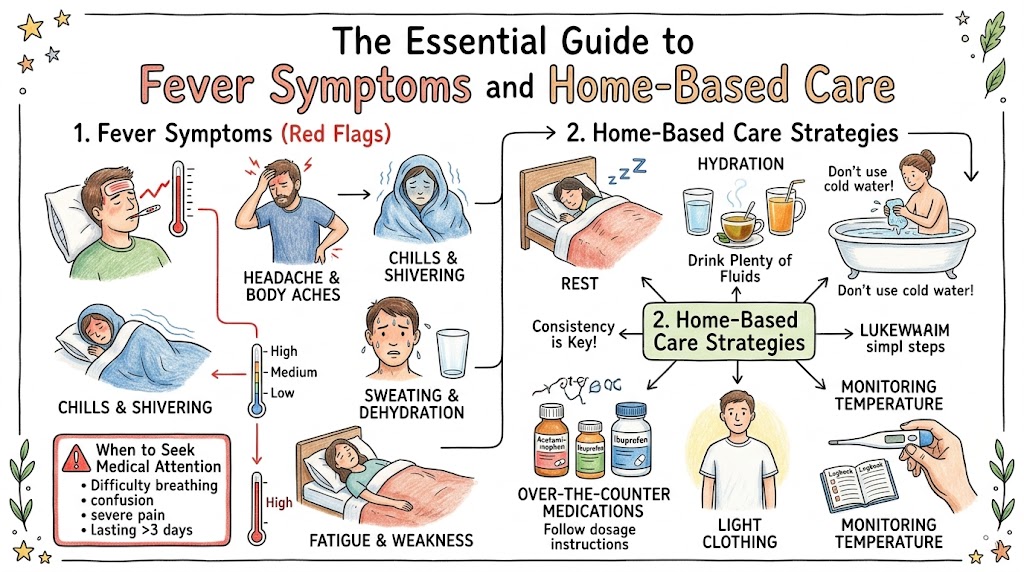
When your temperature rises, your body undergoes several physical changes as it shifts its energy toward the immune response. You might notice that you feel cold even when the room is warm, or you may feel completely drained of energy.
Recognizing the Signs
- Chills and Shivering: This is a fascinating mechanism. When the body wants to reach a higher temperature, it induces shivering to generate muscle heat.
- Sweating: As the fever “breaks” or reaches its peak, the body attempts to cool down by releasing sweat.
- Fatigue and Weakness: Your body is directing a massive amount of metabolic energy toward fighting the infection, which leaves you feeling exhausted.
- Headache and Body Aches: The inflammation associated with the immune response often causes muscles to ache and the head to throb.
| Symptom | What It Feels Like | Why It Happens |
| Chills | Feeling cold/shivering | Body generating heat |
| Sweating | Excess sweating | Cooling process |
| Weakness | Tiredness | Energy used to fight infection |
| Headache | Pressure/pain | Inflammatory response |
Best Home Remedies for Fever
The primary goal of home care is to support the body’s efforts while ensuring the patient remains comfortable and hydrated.
Hydration: The Priority
Fever causes the body to lose fluids faster through sweating and increased respiration. Dehydration can make you feel significantly worse and increase the risk of complications. Drink plenty of water, clear soups, coconut water, or electrolyte-replenishing drinks like ORS (Oral Rehydration Solution). If you are caring for a child, offer small, frequent sips to ensure they keep fluids down.
The Power of Rest
When you have a fever, your body needs to dedicate its limited resources to your immune system. Physical activity diverts energy away from healing. Sleep is one of the most effective ways to support immune function. Create a quiet, dark, and comfortable environment to encourage as much rest as possible.
Lukewarm Sponge Baths
If a fever is causing significant discomfort, a lukewarm sponge bath can be very soothing. Use water that is room temperature or slightly warm—never ice-cold. Cold water can cause shivering, which ironically raises your core body temperature further as the body works to fight the chill. Apply the damp sponge to the forehead, armpits, and groin areas.
Nutrition
Do not force heavy meals. Focus on light, easily digestible foods like khichdi (rice and lentil porridge), vegetable soups, toast, or fruits. These provide energy without taxing your digestive system, which is also feeling the effects of the infection.
Managing Temperature with Medication
If the fever is causing pain or significant discomfort, over-the-counter medications like paracetamol or acetaminophen are effective. Always follow the dosage instructions on the label carefully and verify the correct dose based on age and weight, especially for children. Never give aspirin to children or teenagers, as it has been linked to a rare but serious condition called Reye’s syndrome.
Fever Care for Children
Caring for a child with a fever requires a gentle hand and careful monitoring. Children’s immune systems are still developing, and they can sometimes spike high temperatures very quickly.
Comforting Your Child
Keep your child in lightweight clothing. While the temptation is to bundle them up, especially if they are shivering, this can trap heat and make the fever worse. If they are shivering, a thin sheet is sufficient. Ensure the room temperature is comfortable—not too hot, not too cold.
The Rule for Infants
If your baby is younger than 3 months and has a rectal temperature of 100.4°F (38°C) or higher, you should contact a doctor immediately. Their immune systems are fragile, and even a mild fever can be a sign of a serious infection that requires professional evaluation.
Fever Care for Adults and Elderly
Adults, particularly the elderly, may not always present with a high fever even during a serious infection. Conversely, they are also more susceptible to the effects of dehydration. Elderly individuals should be monitored closely for changes in mental status, such as confusion or extreme lethargy, which can be signs that an infection is spreading or that they are severely dehydrated.
When to Seek Medical Help
While most fevers are harmless, there are red flags that necessitate immediate medical attention.
Emergency Warning Signs
- Difficulty breathing: Any sign of labored breathing, wheezing, or chest pain.
- Severe headache or stiff neck: These can be indicators of more serious conditions like meningitis.
- Confusion or disorientation: Changes in mental clarity are always a cause for concern.
- Persistent vomiting: This makes it impossible to maintain hydration at home.
- Seizures: If a child or adult has a febrile seizure, seek emergency care immediately.
- A rash that does not fade when pressed.
When to Call the Doctor
If the fever lasts for more than three days, or if the fever is consistently high (above 103°F) and does not respond to medication, it is time to consult a medical professional. If you are immunocompromised due to underlying health conditions or medications, do not wait—contact your doctor as soon as you notice a fever.
| Situation | Action Needed |
| Fever above 103°F | Medical evaluation |
| Infant (under 3 months) | Immediate doctor visit |
| Breathing difficulty | Emergency care |
| Fever lasting >3 days | Doctor consultation |
| Confusion or seizures | Emergency help |
Common Mistakes to Avoid
- Ice-Cold Baths: As mentioned, these cause shivering and increase core temperature.
- Alcohol Rubs: Never rub alcohol on the skin to reduce fever; it can be toxic if absorbed and is highly irritating.
- Overdressing: Heavy blankets prevent the body from releasing heat through the skin.
- Ignoring Hydration: Assuming the fever will pass without focusing on fluid intake is a common pitfall.
- Forcing Food: If the patient has no appetite, focus on fluids rather than solid food.
Real-Life Patient Scenarios
Consider a common scenario: A mother notices her 5-year-old is warm at bedtime. She checks the temperature—it is 101.5°F. The child is playful but a bit tired. She opts for a light layer, gives the child plenty of water, and keeps the room cool. By morning, the fever is lower. This is a perfect example of effective home management.
Contrast this with an elderly patient who feels feverish but stops drinking water because they feel nauseous. Within 24 hours, they become confused and weak due to dehydration. This is a case where early intervention and support for hydration could have prevented a trip to the emergency room.
Recovery and Immunity Support
After the fever breaks, the body needs time to recover. You may feel “washed out” for a few days. Continue to focus on hydration and nutritious foods. Returning to a normal routine too quickly can lead to a relapse of symptoms. Allow your body the time it needs to fully replenish its resources.
The Future of Digital Fever Consultation
In our modern world, you no longer have to worry alone. Platforms like AskDoctorLive are revolutionizing how families manage health at home. By providing access to virtual consultations, doctors can help you determine whether your symptoms require a clinic visit or if you can safely continue home care. This bridges the gap between fear and action, ensuring that quality medical advice is just a click away.
FAQs
1. How can I reduce fever at home?
Focus on hydration, rest, and lukewarm sponge baths. Over-the-counter medications like paracetamol can also help with discomfort.
2. What temperature is dangerous?
Generally, anything above 103°F in adults is a cause for concern, as are any fevers in infants under 3 months.
3. When should I see a doctor for fever?
Seek help if the fever exceeds 103°F, lasts more than 3 days, or is accompanied by confusion, stiff neck, or breathing difficulty.
4. Is fever always serious?
No, fever is a natural immune response to infection and is often a sign your body is healing.
5. Can dehydration worsen fever?
Yes, dehydration makes it harder for your body to regulate its temperature and exacerbates symptoms like headache and fatigue.
6. Should I force my child to eat during a fever?
No, focus on fluids. Food is secondary to staying hydrated.
7. Why do I get chills with a fever?
Your body is shivering to generate heat to reach the new “target” temperature set by your immune system.
8. Can I use cold water to reduce fever?
No, use lukewarm water. Cold water causes shivering, which is counterproductive.
9. Are all fevers caused by infections?
Most are, but some can be caused by inflammation, heat exposure, or reactions to medication.
10. How long does a typical viral fever last?
Most viral fevers resolve within 3 to 5 days.
11. Is a fever a sign of COVID-19?
It can be, but it is also a sign of many other viruses like the flu or common cold. Monitor for other symptoms.
12. Can I use two different fever medications at once?
Do not mix medications without consulting a doctor, as this increases the risk of side effects or overdose.
13. What if my child has a febrile seizure?
Stay calm, protect the child from injury, and seek emergency medical help immediately.
14. Does dressing warmly help break a fever?
No, it traps heat. Wear light, breathable clothing.
15. Is a low-grade fever always bad?
Not necessarily; it often indicates the immune system is doing its job.
Conclusion
Fever is a reminder of the incredible complexity and resilience of the human body. While the sight of a thermometer reading above the normal range can be unsettling, it is vital to remember that in most cases, this is a sign of your immune system actively fighting off an intruder. By staying calm, prioritizing hydration and rest, and knowing exactly when to seek professional medical advice, you can manage fever safely and effectively.Never underestimate the power of careful observation. You know your body—and your child’s behavior—better than anyone. If something feels wrong, or if symptoms escalate, reach out to healthcare professionals. Resources like AskDoctorLive are here to support you, providing clarity and comfort when you need it most. Fever is a challenge, but with the right approach, it is one you can navigate with confidence.