Introduction
Living with diabetes is a journey that requires consistent, daily attention to maintain balance. Because diabetes impacts how your body processes energy, prolonged periods of high blood sugar can place significant stress on your organ systems over time. Understanding these potential risks is not about creating fear; rather, it is about empowering yourself with the knowledge needed to take proactive steps toward a healthier future.In this guide, we will explore how high blood sugar can affect different organs, discuss key preventative strategies, and outline the importance of routine monitoring. For reliable, expert-backed information, wellness resources, and guidance on managing your condition, ASKDOCTORLIVE provides comprehensive support for your health journey.
What Are Diabetes Complications?
Diabetes complications are health problems that occur when blood sugar levels remain consistently higher than the target range over an extended period. When glucose levels are not well-regulated, the excess sugar in the bloodstream can gradually damage blood vessels and nerves throughout the body.
Short-Term vs. Long-Term Complications
- Short-term: These typically involve immediate imbalances, such as severe hypoglycemia (low blood sugar) or hyperglycemia (high blood sugar), which require prompt attention.
- Long-term: These develop gradually as a result of chronic exposure to elevated blood sugar levels. While they take years to manifest, they can lead to significant changes in how your heart, kidneys, eyes, and nerves function.
Early detection of these changes is critical. Many complications can be slowed or prevented entirely when identified at the earliest stages.
Why Recognizing Diabetes Complications Is Important
The primary goal of diabetes management is to maintain a high quality of life. Recognizing potential issues early serves several purposes:
- Preventing Permanent Damage: Early intervention can stop or slow the progression of conditions affecting the kidneys, eyes, and nerves.
- Improving Quality of Life: Effective management means fewer physical limitations and a more active, vibrant lifestyle.
- Reducing Emergency Visits: Consistent monitoring helps you avoid sudden health crises that require urgent medical care.
- Personalized Management: Identifying risk factors early allows you and your doctor to adjust your treatment plan to better suit your unique needs.
Common Diabetes Complications
Diabetes can affect virtually any part of the body, but certain areas are more susceptible to the effects of prolonged high blood sugar.
- Diabetic Neuropathy: Nerve damage that often causes tingling, numbness, or pain, particularly in the feet and hands.
- Diabetic Retinopathy: Damage to the blood vessels in the retina, which can lead to vision changes.
- Diabetic Nephropathy: Damage to the kidneys’ filtering units, which can impair their ability to remove waste from the blood.
- Cardiovascular Disease: An increased risk of heart conditions, including heart disease and stroke.
- Diabetic Foot Problems: Due to nerve damage and poor circulation, even small cuts on the feet can become serious if not treated promptly.
- Skin and Gum Infections: High blood sugar levels can weaken the immune system’s ability to fight off infections.
Diabetes Complications Comparison Table
| Complication | Common Symptoms | Possible Impact |
| Diabetic Neuropathy | Tingling, numbness | Nerve damage |
| Diabetic Retinopathy | Blurred vision | Vision loss |
| Kidney Disease | Swelling, fatigue | Reduced kidney function |
| Heart Disease | Chest discomfort, shortness of breath | Cardiovascular complications |
| Foot Problems | Slow-healing wounds | Increased infection risk |
Early Warning Signs You Should Never Ignore
Your body often provides clues when blood sugar levels have been consistently out of range. If you notice any of the following, consult your healthcare provider:
- Frequent Thirst and Urination: Often a sign that the body is trying to flush out excess sugar.
- Persistent Fatigue: Feeling exhausted even after adequate rest.
- Blurred Vision: Temporary changes in vision can occur when sugar levels fluctuate significantly.
- Slow-Healing Cuts: Wounds that take an unusually long time to close may indicate poor circulation or elevated blood sugar.
- Numbness or Tingling: Sensations in the extremities are early indicators of nerve impact.
- Frequent Infections: Unexplained skin, gum, or urinary tract infections.
Preventing Diabetes Complications
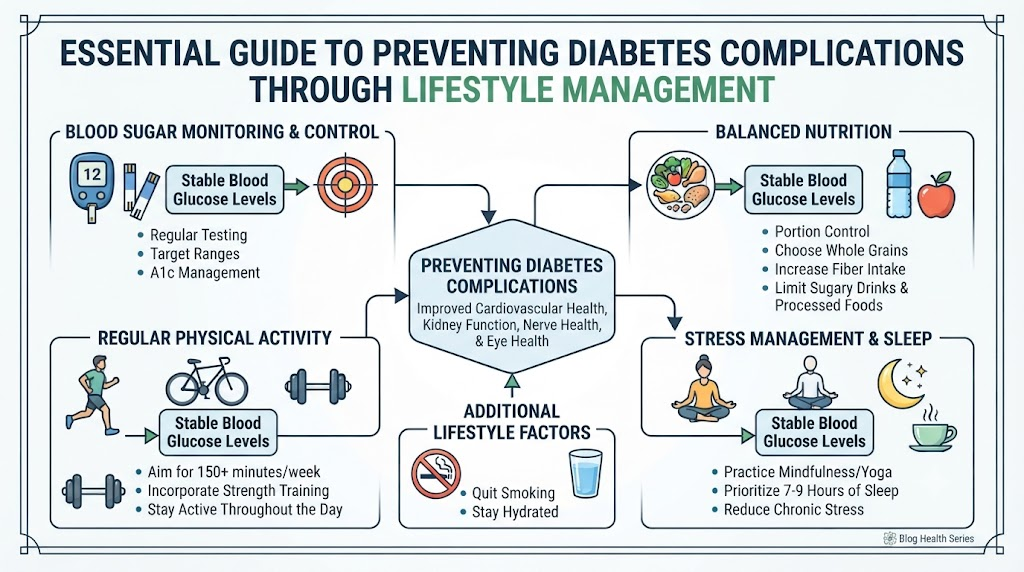
Prevention is the most powerful tool in your diabetes management kit. While some factors like genetics are outside of our control, many lifestyle habits significantly influence your health outcomes.
- Monitor Blood Sugar: Keep a log or use digital tools to track your levels and identify patterns.
- Adhere to Medication: Take all prescribed medications as directed by your doctor.
- Heart-Healthy Habits: Manage blood pressure and cholesterol through diet and activity to protect your heart and blood vessels.
- Smoking Cessation: Smoking significantly worsens circulation and increases the risk of heart and nerve damage.
- Weight Management: Achieving and maintaining a healthy weight helps your body use insulin more effectively.
Medical Tests That Help Detect Complications Early
Regular checkups are essential for catching complications before they cause symptoms.
| Test | Purpose | Recommended Benefit |
| HbA1c | Long-term blood sugar control | Monitor overall management |
| Eye Exam | Detect retinal damage | Early treatment to save vision |
| Kidney Tests | Evaluate kidney function | Prevent progression of disease |
| Foot Exam | Detect nerve damage | Prevent ulcers and infections |
When to Seek Medical Attention
While day-to-day management is self-directed, certain symptoms require immediate medical evaluation. Do not wait for your next scheduled appointment if you experience:
- Sudden or dramatic changes in vision.
- Wounds on the feet that appear red, swollen, or do not show signs of healing.
- Persistent chest pain or difficulty breathing.
- Severe, unexplained numbness or burning sensations.
- Extremely high blood sugar readings that do not respond to your usual management plan.
Real-Life Patient Scenarios
- Early Kidney Detection: A patient noticed mild fatigue and, during a routine checkup, was found to have early signs of kidney strain. By adjusting their blood pressure medication and diet, they successfully stabilized their kidney function.
- Protecting Vision: A patient kept their annual comprehensive eye exam, which identified early diabetic retinopathy. Treatment was started immediately, successfully preserving their clear vision.
- Foot Care Success: By performing a daily foot check, a patient caught a tiny blister early and sought professional care immediately, preventing a potential infection and ulcer.
FAQs
- What are diabetes complications?
Health issues that develop over time due to consistently high blood sugar. - What is the first complication of uncontrolled diabetes?
It varies, but often involves early nerve (neuropathy) or eye (retinopathy) changes. - Can diabetes damage the eyes?
Yes, high blood sugar can damage retinal blood vessels. - How does diabetes affect the kidneys?
It can damage the delicate filters in the kidneys over time. - What are symptoms of diabetic neuropathy?
Tingling, numbness, or “pins and needles” in the feet or hands. - Can diabetes cause heart disease?
Yes, it significantly increases the risk of heart disease and stroke. - How often should people with diabetes get an eye exam?
Usually once a year, or as advised by your doctor. - What foods help manage diabetes?
Focus on high-fiber vegetables, lean proteins, and whole grains. - Can exercise reduce complications?
Yes, it improves insulin sensitivity and heart health. - Why is foot care important?
Nerve damage can hide injuries that lead to serious infections. - What tests detect diabetes complications?
HbA1c, eye exams, kidney function blood/urine tests, and foot exams. - Can diabetes complications be prevented?
Yes, through strict blood sugar control and healthy lifestyle habits. - When should I see a doctor?
If you have any new symptoms, foot wounds, or persistent vision changes. - Is high blood sugar always dangerous?
Consistently high levels are harmful, even if you do not feel sick immediately. - How can I live well with diabetes?
By working closely with your healthcare team and focusing on proactive daily habits.
Final Thoughts
Recognizing the warning signs of diabetes complications is a vital skill for anyone living with the condition. By shifting the focus toward prevention, regular monitoring, and honest communication with your healthcare providers, you can maintain your health for years to come.Remember, you are not alone in this process. Consistent effort in your daily habits and routine medical checkups will provide the best foundation for a healthy life. For further resources, expert education, and guidance on diabetes wellness, we encourage you to explore the articles and tools available at ASKDOCTORLIVE.