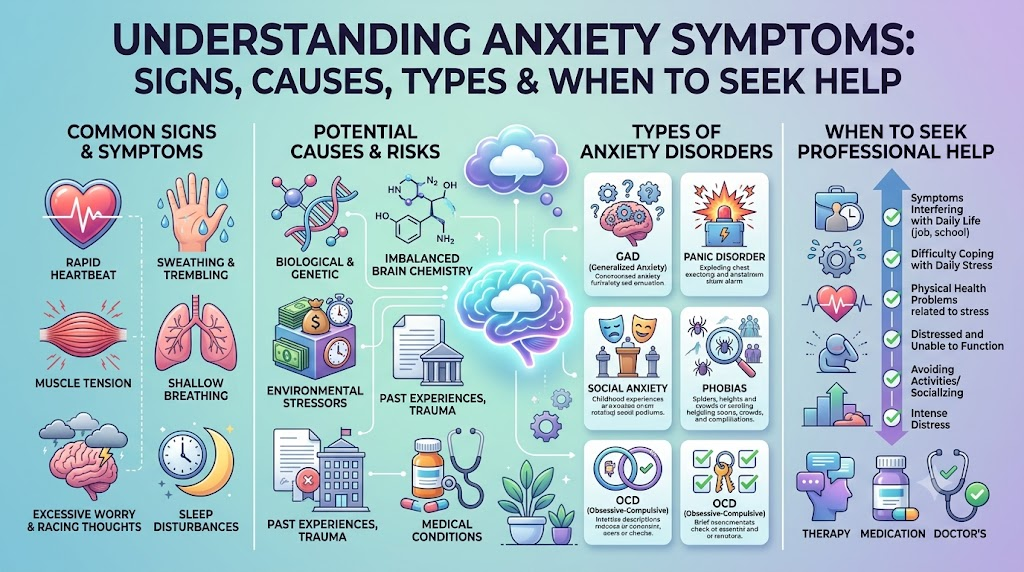
Introduction
Feeling worried, nervous, or tense can happen during stressful situations, but persistent or overwhelming anxiety can affect everyday life. Whether it is facing a major life transition, dealing with work pressure, or navigating daily responsibilities, emotional strain is something many people experience. However, when these feelings do not fade or begin to interfere with daily functioning, understanding what is happening becomes essential.The purpose of this article is to help readers recognize common anxiety symptoms without encouraging self-diagnosis. Anxiety may affect thoughts, emotions, behavior, sleep, concentration, and physical sensations, making it a multifaceted human experience. To explore health concerns and seek appropriate professional medical guidance, people can visit AskDoctorLive as an online healthcare resource.
What Is Anxiety?
Anxiety is a complex emotional and physical response to perceived stress, uncertainty, or danger. In many situations, anxiety serves a protective purpose, helping the body stay alert and responsive to challenges. However, when temporary anxiety becomes persistent, it can take a heavy toll on overall well-being.The body’s stress response triggers physical sensations designed to help handle immediate threats, such as increased heart rate and alertness. When these responses occur frequently without an immediate danger, they can become overwhelming. Experiencing occasional anxiety is a normal part of life, and it does not automatically mean that someone has an anxiety disorder.
Normal Anxiety vs Anxiety Disorder
Understanding the distinction between everyday worry and a clinical condition is important for maintaining mental health perspective.
Normal Anxiety
- Temporary worry related to specific stressors.
- Stress-related nervousness before an important event.
- Situational fear that subsides once the challenge passes.
- Anxiety that decreases as circumstances improve.
Anxiety That May Need Professional Evaluation
- Persistent or excessive worry that persists for months.
- Difficulty controlling worrisome thoughts.
- Significant emotional distress that disrupts daily life.
- Avoidance of everyday activities, places, or responsibilities.
- Sleep disruption that affects daytime functioning.
- Problems concentrating at work, studies, or home.
Recognizing these patterns helps determine when to look closer at persistent emotional health concerns.
Common Emotional Symptoms of Anxiety
Anxiety can manifest through a wide range of emotional experiences that influence daily mood and outlook. These emotional signs include:
- Persistent worry that feels difficult to turn off.
- General nervousness and a continuous feeling of being on edge.
- Fear or apprehension about future events.
- Irritability and a low threshold for frustration.
- Feeling overwhelmed by ordinary tasks.
- Difficulty relaxing or unwinding after a busy day.
- A persistent sense of impending danger or doom.
- Repeatedly expecting negative outcomes from neutral situations.
Symptoms and their severity vary significantly from person to person.
Physical Symptoms of Anxiety
Because the mind and body are closely connected, emotional distress often triggers noticeable physical sensations. These can include:
- Rapid heartbeat or palpitations.
- Excessive sweating or clammy hands.
- Trembling or shaking in the limbs.
- Muscle tension, aches, or stiffness.
- Shortness of breath or a feeling of breathlessness.
- Dizziness or light-headedness.
- Nausea or gastrointestinal discomfort.
- Headaches and facial tension.
- Dry mouth and fatigue.
It is important to remember that physical symptoms can have many medical causes and should not automatically be attributed solely to anxiety.
Cognitive Symptoms of Anxiety
Anxiety also influences how the brain processes information, makes decisions, and maintains focus. Cognitive signs often involve:
- Difficulty concentrating on tasks, conversations, or reading material.
- Racing thoughts that jump rapidly from one worry to another.
- Repeatedly analyzing possible problems or worst-case scenarios.
- Difficulty making simple everyday decisions.
- Overestimating potential threats while minimizing coping abilities.
- Difficulty switching attention away from stressful thoughts.
These cognitive patterns can make normal work or academic responsibilities feel exceptionally demanding.
Behavioral Symptoms of Anxiety
How people act and react can be significantly shaped by underlying anxiety. Common behavioral indicators include:
- Avoiding situations, places, or people that trigger fear or worry.
- Seeking repeated reassurance from others about safety or decisions.
- Constantly checking surroundings or items for potential danger.
- Difficulty sitting still or resting.
- Withdrawing from social interactions and group activities.
- Procrastinating or putting off tasks because of fear of failure.
- Making adjustments to daily routines to minimize perceived risks.
While avoidance may provide temporary relief, it often reinforces the anxiety cycle over time.
Anxiety and Sleep
The connection between sleep and mental wellbeing is profound. Anxiety frequently disrupts healthy sleep patterns through mechanisms such as:
- Difficulty falling asleep because of racing thoughts at bedtime.
- Waking up frequently during the night with a restless mind.
- Worrying about not getting enough sleep, which compounds fatigue.
- Feeling exhausted and unrefreshed during the day.
Poor sleep quality can amplify anxiety symptoms, creating a challenging feedback loop between rest and emotional regulation.
Anxiety and Concentration
Persistent worry can drain cognitive bandwidth, making concentration difficult. This can affect performance in various areas:
- Studying for exams or mastering new educational material.
- Completing complex professional tasks or meeting project deadlines.
- Making sound decisions under pressure.
- Retaining short-term memories and paying attention in meetings.
- Engaging fully in meaningful conversations.
Practical strategies such as breaking tasks into smaller steps, minimizing distractions, maintaining structured routines, and seeking professional guidance can help manage concentration difficulties.
Table 1 – Anxiety Symptoms by Category
| Symptom Category | Common Examples | Possible Impact |
| Emotional | Worry, fear, nervousness, irritability | Emotional distress and tension |
| Physical | Palpitations, sweating, muscle tension, fatigue | Physical discomfort and exhaustion |
| Cognitive | Racing thoughts, poor concentration, indecision | Difficulty focusing and processing information |
| Behavioral | Avoidance, reassurance seeking, withdrawal | Reduced daily functioning and social isolation |
| Sleep-related | Difficulty falling or staying asleep, restless nights | Daytime fatigue and intensified stress |
Different Types of Anxiety Disorders
Mental health professionals recognize several distinct conditions characterized by excessive anxiety:
Generalized Anxiety Disorder
Involves chronic, persistent, and excessive worry about various everyday matters, such as health, work, or finances, that is difficult to control.
Panic Disorder
Characterized by recurrent, unexpected panic attacks accompanied by intense fear and persistent worry about experiencing future episodes.
Social Anxiety Disorder
Involves an intense, persistent fear of being watched, judged, or humiliated in social or performance situations.
Specific Phobias
Marked by intense, irrational fear related to specific objects, animals, or situations, such as heights or flying.
Agoraphobia
Involves fear or anxiety about being in situations where escape might be difficult or help might not be available, such as using public transit or being in open spaces.
What Can Contribute to Anxiety?
Anxiety rarely stems from a single source. Multiple interacting factors often contribute to its development:
- Stressful Life Events: Trauma, loss, major financial strain, or prolonged pressure.
- Family History: Genetic predispositions and family patterns of anxiety or mood conditions.
- Psychological Factors: Personality traits, coping styles, and emotional sensitivity.
- Environmental Factors: Unstable living or working conditions and chronic daily friction.
- Physical Health: Certain medical conditions, hormonal shifts, or chronic illnesses.
- Substance Use: Use or withdrawal from alcohol, recreational substances, or excessive caffeine.
Anxiety Symptoms in Everyday Life
Anxiety touches various dimensions of daily living:
- Work: Fear of making mistakes, perfectionism, and excessive worry about performance reviews.
- Studies: Exam anxiety, test-taking apprehension, and difficulty focusing on lectures.
- Relationships: Misinterpreting partner or friend communications due to worry, irritability, or reassurance seeking.
- Daily Activities: Reluctance to travel, avoidance of crowds, or hesitation in trying new experiences.
Anxiety and Panic Attacks
A panic attack is a sudden surge of intense fear or discomfort that reaches a peak within minutes. Symptoms can include a pounding heart, trembling, shortness of breath, chest discomfort, dizziness, and a terrifying feeling of losing control.Because symptoms like chest discomfort, severe breathing difficulty, and fainting can overlap with serious physical medical conditions, they should never be automatically assumed to be simple panic without proper medical evaluation.
When Should You Talk to a Doctor About Anxiety?
Professional evaluation is recommended when:
- Anxiety persists for weeks or months without relief.
- Worry becomes difficult or impossible to control on your own.
- Symptoms begin to interfere with work, studies, or relationships.
- Sleep is consistently disrupted.
- Avoidance behaviors start limiting your daily routine.
- Physical symptoms occur frequently without an obvious medical explanation.
What Happens During an Anxiety Consultation?
During an evaluation, a healthcare professional will typically explore several areas:
- A detailed description of your current symptoms and when they began.
- How frequently symptoms occur and what triggers them.
- The impact of symptoms on your sleep, work, and relationships.
- Your personal and family medical and mental health history.
- Current medications, supplements, or substance use.
The doctor will also evaluate whether physical health conditions could be contributing to what you are experiencing.
Online Doctor Consultation for Anxiety
Online consultations offer a convenient way to access healthcare guidance. The process generally involves selecting a qualified professional, describing your symptoms and medical history clearly, discussing how concerns impact your daily life, and receiving tailored recommendations for next steps. While online consultations are effective for many routine mental health discussions, they are not appropriate for severe medical emergencies.
Preparing for an Anxiety Consultation
To make the most of your appointment, consider preparing the following notes:
- A list of your primary emotional and physical symptoms.
- When the symptoms first started and how often they happen.
- Identified triggers or patterns.
- Changes in your sleep or daily routines.
- A list of current medications and relevant medical history.
- Specific questions you want to ask your healthcare provider.
Honest communication ensures a more accurate assessment and appropriate care plan.
General Approaches Used to Manage Anxiety
Treatment plans are tailored to individual needs and may include:
- Psychotherapy: Talk therapy modalities, such as cognitive behavioral therapy, to help reframe unhelpful thought patterns.
- Lifestyle Interventions: Stress-management strategies, regular exercise, and sleep hygiene improvements.
- Medication: When clinically appropriate, doctors may discuss medications to help regulate brain chemistry and reduce symptom severity.
Self-Care Habits That May Support Emotional Wellbeing
General healthy habits can complement professional treatment:
- Maintaining a regular sleep routine and consistent sleep schedule.
- Staying physically active within personal capability.
- Eating balanced, nutritious meals.
- Limiting excessive caffeine and avoiding tobacco or alcohol.
- Practicing mindful breathing or relaxation exercises.
- Staying connected with a supportive social network.
- Taking healthy breaks from constant news and social media consumption.
Self-care supports general wellness but does not replace professional care when symptoms are severe or persistent.
Table 2 – Everyday Strategies for Managing Anxiety
| Strategy | Potential Benefit | Important Consideration |
| Regular sleep routine | Supports consistent rest and emotional regulation | Persistent insomnia may require medical evaluation |
| Physical activity | Supports general wellbeing and releases tension | Choose activities appropriate for your physical health |
| Relaxation practices | May reduce physical tension and calm thoughts | Not a substitute for professional mental health care |
| Social connection | Reduces isolation and provides perspective | Seek out trusted and supportive individuals |
| Limiting caffeine | May reduce jitteriness and stimulation | Individual physiological responses vary |
| Professional consultation | Helps assess persistent or disabling symptoms | Essential when daily functioning is impaired |
Anxiety Symptoms That Require Urgent Attention
Certain situations demand immediate medical or crisis attention:
- Severe, crushing, or unexplained chest pain.
- Severe difficulty breathing or sudden gasping.
- Fainting, loss of consciousness, or sudden confusion.
- Sudden neurological symptoms like weakness or slurred speech.
- Thoughts of suicide, self-harm, or feeling that you are in immediate danger.
If you or someone you know is experiencing immediate danger or thoughts of self-harm, please reach out to local emergency services or a crisis helpline right away. Do not stay alone with these feelings.
Common Misunderstandings About Anxiety
- “Anxiety is just overthinking.” Anxiety involves complex physiological and psychological responses that go far beyond simple overthinking.
- “People with anxiety should simply relax.” Relaxation alone is often insufficient when underlying physiological stress pathways are activated.
- “Physical symptoms are always imaginary.” Anxiety produces very real physical sensations due to autonomic nervous system activation.
- “Asking for help means you are weak.” Seeking professional support is a courageous and practical step toward healing.
- “Everyone with anxiety needs medication.” Treatment plans vary widely and often rely heavily on therapy and lifestyle measures.
Supporting Someone Experiencing Anxiety
Supporting a friend or family member involves patience and compassion:
- Listen actively without judgment or dismissal.
- Avoid telling them to “just snap out of it.”
- Encourage them to explore professional support gently.
- Offer practical assistance with daily tasks when they feel overwhelmed.
- Respect their boundaries while remaining reliably present.
Step-by-Step Approach to Understanding Anxiety Symptoms
- Step 1: Notice recurring emotional or physical symptoms.
- Step 2: Record when symptoms happen and how long they last.
- Step 3: Identify possible triggers or stressful patterns.
- Step 4: Consider how symptoms affect your daily life and responsibilities.
- Step 5: Avoid self-diagnosing from online symptom checklists.
- Step 6: Discuss persistent concerns with a qualified healthcare professional.
- Step 7: Follow your recommended evaluation and care plan.
- Step 8: Maintain healthy daily routines and self-care habits.
- Step 9: Monitor your progress and changes over time.
- Step 10: Seek urgent help immediately if severe warning signs arise.
FAQs
1. What are the most common symptoms of anxiety?
Common symptoms include persistent worry, restlessness, irritability, fatigue, muscle tension, and difficulty concentrating.
2. What does anxiety feel like physically?
Physically, anxiety can feel like a racing heartbeat, shortness of breath, trembling, sweating, dizziness, and tightness in the chest or stomach.
3. What are the emotional symptoms of anxiety?
Emotional signs include excessive fear, feeling constantly on edge, apprehension about the future, and feeling overwhelmed by daily tasks.
4. Can anxiety cause a racing heart?
Yes, the body’s fight-or-flight response frequently causes palpitations or a rapid heartbeat during anxious moments.
5. Can anxiety affect sleep?
Yes, racing thoughts and physical tension can make it difficult to fall asleep or stay asleep throughout the night.
6. Can anxiety cause difficulty concentrating?
Persistent worry consumes mental energy, often making it hard to focus on work, reading, or conversations.
7. What is the difference between normal anxiety and an anxiety disorder?
Normal anxiety is a temporary reaction to stress that passes, whereas an anxiety disorder involves persistent, excessive distress that interferes with daily life.
8. What is the difference between anxiety and a panic attack?
Anxiety is generally a sustained state of worry or tension, while a panic attack is a sudden, intense peak of fear accompanied by severe physical symptoms.
9. Can physical health conditions cause symptoms similar to anxiety?
Yes, conditions like thyroid imbalances, heart issues, and respiratory problems can mimic anxiety symptoms.
10. When should someone talk to a doctor about anxiety symptoms?
You should consult a doctor when symptoms persist, become difficult to manage, or interfere with work, relationships, or sleep.
11. Can anxiety symptoms improve without treatment?
Mild situational anxiety may improve on its own, but persistent anxiety disorders typically benefit greatly from professional guidance and therapy.
12. What treatments are commonly used for anxiety?
Common approaches include psychotherapy (such as cognitive behavioral therapy), lifestyle adjustments, and sometimes medication.
13. Can an online doctor consultation help with anxiety concerns?
Yes, online healthcare platforms allow patients to discuss mental health concerns conveniently and receive professional guidance.
14. How can someone prepare for an anxiety consultation?
Writing down symptoms, triggers, medication history, and specific questions helps make the consultation productive.
15. What should someone do if anxiety symptoms become severe or they feel unsafe?
If symptoms become overwhelming or involve thoughts of self-harm, seek immediate help from emergency services or a crisis helpline.
Conclusion
Anxiety can affect emotions, thoughts, behavior, sleep, concentration, and the body in profound ways. Experiencing anxiety symptoms does not automatically mean someone has an anxiety disorder, and symptoms should always be evaluated in the context of their duration, severity, and effect on daily life. Encouragingly, seeking professional guidance when symptoms persist or interfere with normal activities is a practical step toward understanding what is happening and finding appropriate care.