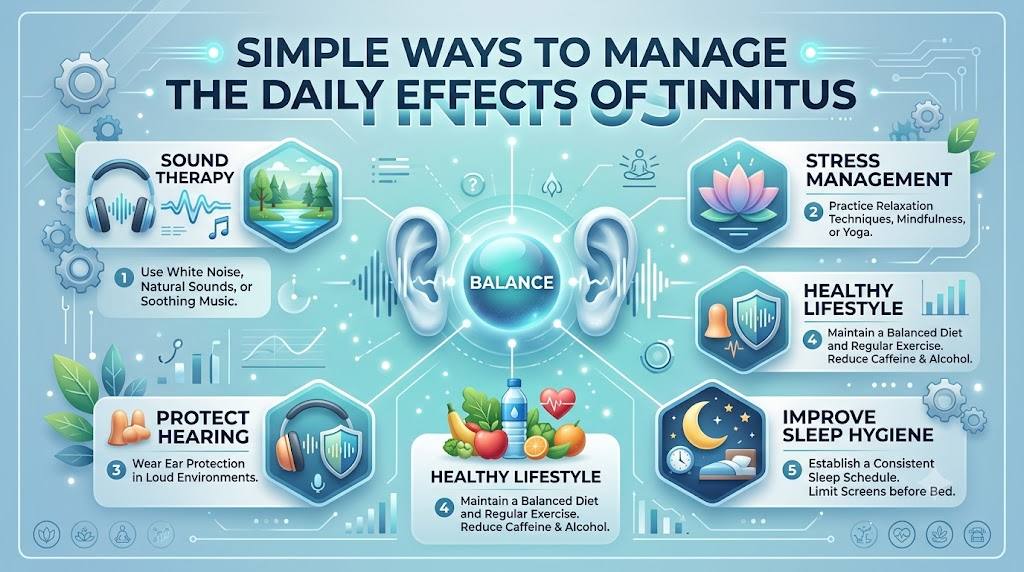
Introduction
Tinnitus means hearing a sound without an outside source. It may sound like ringing, buzzing, or humming in the ears. This sound can affect sleep, focus, work, or daily life. Tinnitus can have many possible causes. So, the best way to manage tinnitus can differ for each person. A hearing check or medical visit may help find possible causes. People can also learn about online health guidance through ASKDOCTORLIVE at. Professional advice can help people understand their symptoms and care options.
What Is Tinnitus?
Tinnitus is a sound that has no outside source. Some people call it ringing in the ears. Others may hear buzzing, humming, clicking, or other sounds. The sound may affect one ear or both ears. It may come and go or last for longer periods. Tinnitus is a symptom, not one single disease. This means it can have different causes. Some people notice it only in quiet places. Others may hear it during most parts of the day.
What Can Cause Tinnitus?
Tinnitus can happen for many different reasons. Loud noise exposure is one possible cause. Hearing changes can also play a role. Age-related hearing loss may sometimes occur with tinnitus. Earwax problems and ear infections can also affect ear health. Some medicines may also be linked with tinnitus. Head or ear injuries can sometimes cause ear noise. Stress and poor sleep may also affect how noticeable tinnitus feels. However, the cause is not always clear. A healthcare professional can help assess ongoing symptoms.
When Should Tinnitus Be Checked?
New or ongoing tinnitus may need professional attention. A hearing or medical check can help assess possible causes. It is also useful when tinnitus keeps getting worse. Tinnitus with hearing changes should also be checked. Symptoms after loud noise or an injury may need assessment. Tinnitus that affects sleep or daily life also matters. A doctor or hearing specialist can review the symptoms. They may suggest a hearing test or other assessment. This can help guide the next step.
Understand Your Tinnitus Triggers
Some people notice that certain things make tinnitus louder. Loud sounds may be one trigger. Stress and poor sleep may also increase awareness. Quiet rooms can make ear noise easier to notice. Some people notice changes after caffeine. Certain medicines may also affect tinnitus in some cases. However, triggers are different for each person. One person’s trigger may not affect another person. Keeping simple notes may help you notice patterns. Share these patterns with a healthcare professional when needed.
Protect Your Ears From Loud Noise
Very loud sound can affect hearing health. Concerts, fireworks, and loud workplaces can create strong noise. Power tools can also produce harmful sound levels. Headphones can be a concern when used too loudly. Reducing loud noise exposure can support ear health. Hearing protection can help during very noisy activities. Avoiding repeated loud sound is also helpful. However, people do not need to avoid all sound. Normal everyday sounds are part of healthy hearing and communication.
Manage Background Sound
Complete silence can make tinnitus feel more noticeable. Gentle background sound may help some people cope. Soft music can provide a comfortable sound around you. A fan can also add steady background noise. Nature sounds may help some people relax. White noise is another option for some people. Different sounds work better for different people. Sound therapy may support tinnitus management for some users. It does not remove tinnitus for everyone. The goal is often to make the sound easier to notice.
Support Better Sleep
Tinnitus can make it harder to fall asleep. Poor sleep can then make tinnitus feel more noticeable. A regular sleep routine may help some people. Keep the bedroom comfortable and calm. Gentle background sound may also help at bedtime. Relaxing before sleep can reduce daily tension. Try to keep a steady sleep schedule when possible. Avoid making the room completely silent if that makes tinnitus stand out. If sleep problems continue, talk with a healthcare professional.
Manage Stress and Tinnitus
Stress can make tinnitus feel stronger for some people. This does not mean stress causes every case. However, stress can change how strongly people notice sounds. Simple relaxation can help some people cope better. Slow breathing may support a calmer state. Gentle activities can also help reduce daily stress. Talking with a professional may help when stress feels hard to manage. Good stress care can be one part of tinnitus management. It should not replace medical assessment when symptoms need checking.
Check Your Hearing
A hearing check can be useful for people with tinnitus. Hearing changes can sometimes happen with tinnitus. An audiologist can perform a hearing test. An audiologist is a hearing care professional. An ENT specialist can also assess ear-related concerns. ENT means ear, nose, and throat medicine. A hearing test can show how well different sounds are heard. However, only a qualified professional should explain test results. Hearing care should match the person’s symptoms and needs.
Hearing Aids and Tinnitus
Some people have both hearing loss and tinnitus. Hearing aids may help some people in this situation. They make outside sounds easier to hear. More access to sound may make tinnitus less noticeable. This does not mean hearing aids cure tinnitus. They are not suitable for every person. Their use depends on hearing needs and other health details. A hearing specialist can assess whether hearing support may help. People should avoid choosing a hearing device based only on online advice.
Sound Therapy and Other Support
Sound-based support can be part of tinnitus care. It may include gentle background sounds or sound therapy. Tinnitus education can also help people understand their symptoms. Counseling-based support may help some people cope better. Different people may respond in different ways. There is no single method that works for everyone. The goal is often better daily coping. Complete relief is not guaranteed. A healthcare professional can explain suitable support options.
Review Medicines With a Doctor
Some medicines may be linked with tinnitus in certain cases. This can include prescription medicines and other products. Over-the-counter medicines may also need review in some situations. Supplements should also be discussed with a healthcare professional. Never stop a medicine on your own. Stopping needed medicine can cause other health problems. Instead, tell your doctor about your tinnitus concerns. The doctor can review your medicines safely. They can also decide if another assessment is needed.
Be Careful With Online Tinnitus Advice
Tinnitus has many possible causes. So, one person’s solution may not help another person. Online advice can provide useful general information. But it cannot replace a proper medical evaluation. Be careful with quick cures and strong treatment claims. Some products may promise results without good medical support. Do not assume that a home remedy will work. Persistent or troubling symptoms deserve proper attention. Reliable information should support, not replace, professional care.
When Can an Online Doctor Consultation Help?
An online doctor consultation can support some tinnitus concerns. It may help people discuss symptoms and health history. People can also ask general questions about hearing health. A doctor may help decide if an in-person visit is needed. Online care can also help people prepare for their next step. However, online care has limits. A physical ear examination may require an in-person visit. A hearing test also needs proper testing equipment. Online consultation should not replace urgent medical care.
Simple Tinnitus Management Options
| Management Area | Simple Approach | Important Note |
|---|---|---|
| Loud noise | Protect your ears | Avoid very loud sound |
| Background sound | Use gentle sounds when helpful | It does not cure tinnitus |
| Sleep | Follow a regular sleep routine | Poor sleep may increase awareness |
| Stress | Use calming activities | Stress is not the only cause |
| Hearing checks | Consider professional hearing care | Testing can help assess hearing |
| Medical advice | Discuss ongoing symptoms | Causes can differ between people |
Tinnitus and Daily Activities
Tinnitus can affect many parts of daily life. Some people find it harder to focus at work. Others may struggle with study or reading. Quiet places can sometimes make tinnitus stand out. Social activities may also feel harder for some people. Gentle background sound may help during quiet tasks. Taking short breaks can also support comfort. Good sleep may help improve daily coping. Everyone responds differently to tinnitus. Find safe habits that feel comfortable for you.
Tinnitus in Children
Children can also experience tinnitus. However, they may have trouble describing the sound. They may say they hear ringing or buzzing. Hearing changes can affect learning and communication. Parents should take ongoing symptoms seriously. A qualified healthcare professional can assess the child’s hearing. Children need care that matches their age. Parents should explain symptoms in simple words. They should also share any hearing or ear concerns with the doctor.
Tinnitus in Older Adults
Hearing changes become more common with age. Tinnitus can sometimes happen along with hearing changes. However, tinnitus should not simply be blamed on aging. Hearing checks can help assess hearing health. Medicine reviews may also be useful. Ear health should also be considered. Communication support can help people manage daily needs. Persistent tinnitus should be discussed with a healthcare professional.
Warning Signs That Need Prompt Medical Attention
Some tinnitus symptoms need prompt medical assessment. Sudden tinnitus with sudden hearing loss needs urgent attention. Tinnitus after a serious head injury also needs care. Severe dizziness with tinnitus can be concerning. New weakness or other neurological symptoms need prompt assessment. Tinnitus that pulses with the heartbeat should also be checked. Severe ear pain with other concerning symptoms needs medical care. Seek urgent help when symptoms are sudden, severe, or worrying.
Common Mistakes People Make With Tinnitus
Some people ignore tinnitus for too long. Persistent symptoms should not always be ignored. Using very loud headphones can also harm hearing health. Searching for quick cures can lead to poor choices. Never stop medicines without medical advice. Do not assume tinnitus always means hearing loss. Avoiding all sound may also make tinnitus more noticeable. Sleep and stress should not be ignored. Most importantly, do not blame yourself for having tinnitus.
Choosing the Right Healthcare Professional
Different professionals can help with hearing concerns. A general doctor can review overall health and symptoms. An ENT specialist can assess ear-related problems. An audiologist can check hearing and hearing needs. A hearing specialist can also provide hearing care support. The right professional depends on the symptoms and health history. Some people may need more than one type of care. Your healthcare team can guide the next step.
How ASKDOCTORLIVE Can Help
Finding clear health information can help people prepare. ASKDOCTORLIVE can help people learn about tinnitus. It can also help people prepare questions for a doctor. Online consultation may help with suitable non-emergency concerns. People can discuss symptoms and share their medical history. They can also ask about general hearing health concerns. The service may help people understand when in-person care is needed. However, online consultation cannot replace every physical examination. It also cannot replace urgent medical care.
A Simple Fictional Example
This example is completely fictional. A person notices ringing after frequent loud headphone use. They reduce loud sound exposure and protect their hearing. They also notice when the ringing appears. The person checks for possible hearing changes. The ringing continues, so they speak with a healthcare professional. They use gentle background sound when it feels helpful. They do not stop any medicine without medical advice. This example does not show a guaranteed cure.
Frequently Asked Questions
1. What is tinnitus?
Tinnitus means hearing a sound without an outside source. It may sound like ringing, buzzing, or humming. It can affect one ear or both ears.
2. What can cause ringing in the ears?
Many things can be linked with tinnitus. These include loud noise, hearing changes, earwax, and some medicines. Sometimes, the cause is not clear.
3. Can tinnitus go away on its own?
Some tinnitus may come and go. Other cases may continue for longer periods. Persistent symptoms should be discussed with a healthcare professional.
4. Can loud noise make tinnitus worse?
Loud noise can affect hearing health. It may also make tinnitus more noticeable for some people. Hearing protection can help reduce loud noise exposure.
5. Can stress affect tinnitus?
Stress may make tinnitus feel more noticeable. However, stress is not the only possible cause. Relaxation may help some people cope better.
6. Can hearing loss and tinnitus happen together?
Yes, some people have both hearing loss and tinnitus. A hearing test can help assess hearing health. A professional can explain the results.
7. Should I get my hearing checked for tinnitus?
A hearing check can be useful for ongoing tinnitus. An audiologist can assess hearing. An ENT specialist can also review ear concerns.
8. When should tinnitus be checked by a doctor?
New, persistent, or worsening tinnitus should be discussed with a professional. Sudden hearing loss, serious injury, or neurological symptoms need prompt care.
9. Can an online doctor consultation help with tinnitus?
Online consultation may help discuss symptoms and health history. A doctor can also explain when an in-person visit may be needed. Some tests require in-person care.
10. Can ASKDOCTORLIVE.COM help me understand tinnitus?
Yes, ASKDOCTORLIVE.COM can provide general health guidance. It can also support suitable online consultations. It does not replace urgent or in-person medical care.
Final Thoughts
Tinnitus can have many possible causes. Management depends on the person’s symptoms and health history. Protecting hearing is an important part of ear health. Better sleep and stress care may also support daily coping. Hearing checks can help when symptoms continue. Persistent or concerning tinnitus should be assessed by a professional. Sudden or serious symptoms need prompt medical attention. ASKDOCTORLIVE can help people learn about tinnitus and prepare for suitable medical consultations.