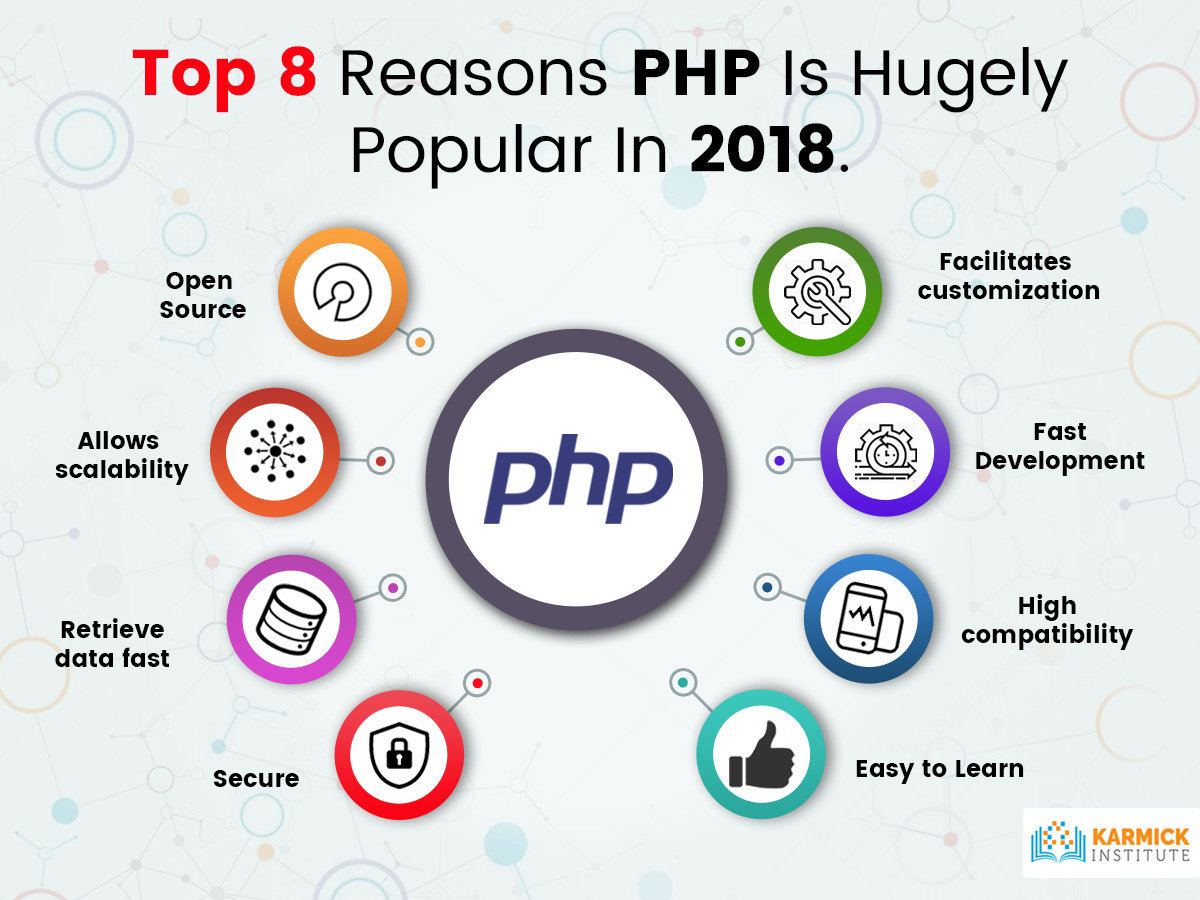
What is PHP?
PHP, which stands for Hypertext Preprocessor, is a popular and widely-used programming language mainly designed for web development. It is a server-side scripting language that is used to create dynamic and interactive websites. PHP code is embedded within HTML code, making it easy to incorporate dynamic elements into web pages.
Key Points:
1. Purpose: PHP is primarily used for server-side scripting to create dynamic web pages and applications.
2. Syntax: PHP syntax is similar to C programming language and includes variables, loops, functions, and conditional statements.
3. Server-Side Scripting: As a server-side scripting language, PHP code is executed on the server before the HTML is sent to the client’s browser. This allows for dynamic content generation based on user input.
4. Database Integration: PHP can easily connect to various databases such as MySQL, PostgreSQL, and SQLite, making it suitable for building database-driven websites.
5. Open Source: PHP is open-source, meaning it is free to use and has a large community of developers contributing to its development and improvement.
6. Cross-Platform Compatibility: PHP code can run on various operating systems like Windows, Linux, and macOS, making it highly versatile.
7. Frameworks: PHP has several popular frameworks like Laravel, Symfony, and CodeIgniter, which help streamline the development process and maintain code quality.
8. Content Management Systems (CMS): Many popular CMS platforms, such as WordPress, Joomla, and Drupal, are built using PHP, showcasing its flexibility and scalability.
9. Web Development: PHP is widely used for creating websites, web applications, e-commerce platforms, and online forums, among many other web-based projects.
In conclusion, PHP is a powerful and versatile programming language that continues to be a preferred choice for web developers due to its simplicity, efficiency, and wide range of applications.
“Why Use PHP?
PHP, which stands for Hypertext Preprocessor, is a widely used server-side scripting language that is particularly well-suited for web development. There are several reasons why PHP is a popular choice among developers:
1. Easy to Learn: PHP has a syntax that is similar to other programming languages like C and Java, making it relatively easy to learn for beginners. Its simple and straightforward design allows developers to quickly get started with building dynamic websites.
2. Wide Support: PHP has strong community support and a vast amount of online resources available. This means that developers can easily find solutions to common problems, as well as collaborate with others in the PHP community to improve their coding skills.
3. Platform Independence: One of the key advantages of PHP is its compatibility with various operating systems, including Windows, Linux, macOS, and Unix. This makes it a versatile choice for creating web applications that can run on different platforms without the need for major modifications.
4. Integration Capabilities: PHP seamlessly integrates with a variety of databases, such as MySQL, PostgreSQL, and SQLite, allowing developers to create dynamic web applications that can interact with databases to store and retrieve data. This versatile integration capability is crucial for building robust and scalable web solutions.
5. Fast Development: PHP’s built-in functions and libraries streamline the development process, enabling developers to create web applications quickly and efficiently. Its flexibility and scalability make it an excellent choice for projects of any size, from small websites to enterprise-level applications.
In conclusion, PHP is a powerful and versatile server-side scripting language that offers a range of benefits for web developers. Its ease of use, wide support, platform independence, integration capabilities, and fast development capabilities make it a top choice for creating dynamic and interactive websites.”