In today’s fast-moving digital world, managing a growing array of digital content has become essential for businesses aiming to stay ahead. Digital assets—ranging from images and videos to documents and infographics—are the backbone of modern marketing campaigns, and how organizations manage these assets can directly impact their efficiency and success.
Enter Digital Asset Management (DAM) systems, which have dramatically transformed how businesses handle, organize, and retrieve digital content. This blog takes you on a journey through the evolution of DAM solutions, highlighting how they’ve evolved from basic file storage systems to sophisticated platforms driving business productivity.
Along the way, we’ll also spotlight Wizbrand, an innovative DAM solution that’s helping businesses streamline workflows, enhance collaboration, and optimize their content management strategies. Let’s explore how DAM systems have evolved and the impact they’ve had on digital marketers, content teams, and SEO professionals.
1. The Early Days: File Storage in the Pre-Digital Age
Before the digital era, businesses relied on physical files and records for storing their content. While it was easy to manage a few hard copies or documents, the shift to digital content required an entirely new approach. Computers, which became more widely used in the 1980s and 1990s, presented new challenges for businesses looking to store and manage an increasing volume of digital files, such as images and videos.
During this period, digital files were primarily stored in basic file systems on individual computers. Searching for assets was cumbersome, and businesses often relied on manual methods to track and manage digital content. There was a lack of organization, and accessing the right file at the right time was a time-consuming process.
2. The 1990s: The Advent of Digital File Storage
As technology advanced in the 1990s, businesses began to transition from physical storage to digital storage. Personal computers became commonplace in offices, and organizations started saving files electronically. However, digital asset management at this stage remained inefficient—there were no centralized systems in place to organize and retrieve assets.
This era saw the first attempts at Digital Asset Management solutions, albeit in a rudimentary form. Basic file storage software offered limited organizational tools, making it difficult for teams to locate specific assets quickly. Although the digital landscape was evolving, businesses still struggled with managing their growing libraries of content.
3. The Early 2000s: The Rise of Specialized DAM Systems
The early 2000s brought significant advancements in DAM solutions. The rise of the internet and cloud-based systems allowed businesses to store their digital content in centralized, online platforms. Companies realized the importance of managing their growing libraries of digital content, which led to the development of more specialized and effective DAM systems.
DAM solutions during this period were mainly focused on organizing files into categories and folders for easier retrieval. However, these early systems lacked sophisticated search features and automation. Still, they marked the beginning of digital asset management becoming more widespread among businesses of all sizes.
Cloud-based DAM tools paved the way for businesses to store and access assets securely from anywhere. But the process of asset optimization, integration with marketing workflows, and automation was still in its early stages.
4. The 2010s: The Era of User-Friendly and Affordable DAM Tools
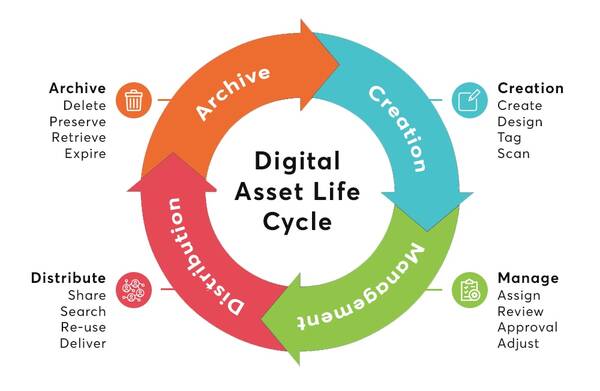
As businesses began to rely more heavily on digital content, the demand for more intuitive and feature-rich DAM tools skyrocketed. The 2010s saw the rise of cloud-based DAM platforms that were not only user-friendly but also affordable and scalable. With the increasing volume of digital content, companies sought solutions that could automate processes and seamlessly integrate with other marketing tools.
During this period, DAM solutions evolved to include features such as metadata tagging, automated workflows, and SEO optimization tools. One such tool that has significantly contributed to the modern DAM landscape is Wizbrand. Wizbrand’s platform allows digital marketers to tag, organize, and optimize digital assets for SEO, ensuring that each image, video, or document is optimized for search engines. Additionally, its cloud-based structure allows teams to access assets from anywhere, making collaboration smoother than ever.
The 2010s also marked the increasing adoption of DAM systems by businesses of all sizes, from startups to large enterprises. With the added ability to integrate seamlessly with other marketing platforms, businesses were able to manage content more efficiently, improve collaboration, and drive better results.
5. The 2020s: AI, Automation, and Advanced Collaboration Tools
Today, Digital Asset Management is more powerful than ever. Modern DAM platforms, such as Wizbrand, are equipped with advanced features like artificial intelligence (AI), automation, and deep integrations that enhance productivity and collaboration.
AI-powered features like automated tagging, image recognition, and predictive analytics are helping businesses manage their assets with minimal manual input. These tools ensure that digital content is organized, optimized, and easily accessible at all times. Furthermore, collaboration tools within DAM systems allow teams to share assets, track usage, and provide feedback in real time—removing communication barriers and improving the efficiency of workflows.
DAM systems today are also fully integrated with other tools used by digital marketers and SEO professionals. Whether it’s social media platforms, CRM systems, or email marketing tools, modern DAM solutions allow businesses to distribute assets seamlessly across all channels, ensuring consistent messaging and better brand recognition.
As businesses continue to generate more digital content, platforms like Wizbrand are redefining how assets are managed. With features like automated SEO tagging, streamlined workflows, and real-time collaboration, Wizbrand is one of the Best DAM Tools in the World, empowering teams to work smarter, not harder.
6. Key Features of Modern DAM Systems
Today’s DAM systems offer a wide range of features that can significantly improve your digital content management:
- Centralized Asset Repository: A single location to store all digital content, making it easy for teams to access and manage assets.
- Advanced Search Capabilities: Quickly find assets using keywords, metadata, and advanced search filters.
- Collaboration Tools: Share assets, leave feedback, and track changes in real time for more efficient teamwork.
- SEO Integration: Optimizing images and videos directly within the DAM system to ensure better search engine performance.
- Automation: AI-powered tools that automatically tag and categorize content, streamlining the process of managing digital assets.
Conclusion: The Future of Digital Asset Management
Digital Asset Management has come a long way since its inception. From simple file storage systems to today’s AI-powered, cloud-based solutions, DAM has become an essential tool for businesses looking to optimize their content management strategies. As digital content continues to grow, the need for robust, user-friendly, and integrated DAM solutions will only increase.
If you’re looking to streamline your workflows, improve collaboration, and optimize your content management efforts, consider exploring Wizbrand’s DAM platform. As one of the Best Digital Asset Management Software, Wizbrand empowers businesses to manage their digital assets with ease and efficiency. Discover how a modern DAM system can transform your business by giving your teams the tools they need to stay ahead.