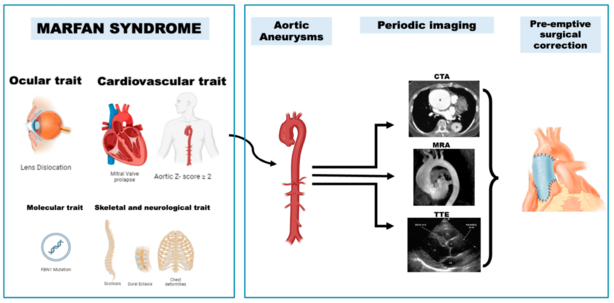
Marfan Syndrome is a hereditary disorder that affects the body’s connective tissue, which provides structure and support to various organs and tissues. This condition can impact the heart, blood vessels, bones, joints, and eyes, often resulting in complications if not managed appropriately. Understanding its causes, symptoms, and treatments is essential for improving the quality of life for those affected.
Causes of Marfan Syndrome
Marfan Syndrome is caused by a mutation in the FBN1 gene, which affects the production of fibrillin-1, a protein essential for connective tissue strength and elasticity. This genetic mutation is typically inherited in an autosomal dominant pattern, meaning only one copy of the defective gene is enough to cause the disorder. However, in some cases, the mutation occurs spontaneously without a family history.
Indications of Marfan Syndrome
The condition may show early signs, such as:
- Tall and slender build
- Long arms, legs, fingers, and toes (arachnodactyly)
- Flexible joints
- Curvature of the spine (scoliosis or kyphosis)
Symptoms of Marfan Syndrome
Symptoms vary widely but commonly include:
- Cardiovascular issues: Enlarged aorta (aortic aneurysm) or valve problems.
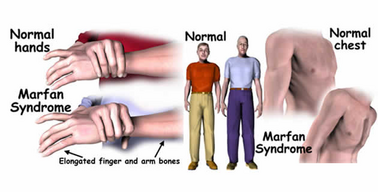
- Skeletal abnormalities: Long limbs, chest deformities, or flat feet.
- Eye problems: Nearsightedness, dislocated lenses, or early cataracts.
- Skin: Stretch marks not related to weight gain or loss.
- Fatigue: Due to cardiovascular or musculoskeletal strain.
Prevention Strategies for Marfan Syndrome
Since Marfan Syndrome is a genetic condition, it cannot be prevented. However, certain steps can help manage the risks and improve outcomes:
- Genetic Counseling: Helps individuals with a family history of Marfan Syndrome make informed decisions.
- Regular Screenings: Routine cardiovascular check-ups to monitor the aorta and heart valves.
- Lifestyle Adjustments: Avoiding activities that strain the heart or joints.
Myths and Facts About Marfan Syndrome
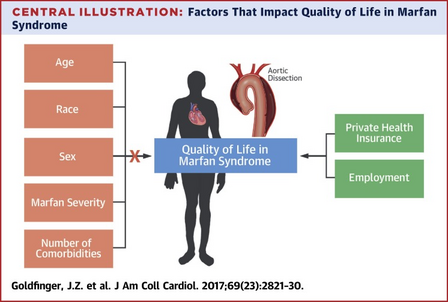
- Myth: Marfan Syndrome only affects the heart.
Fact: While the heart is often impacted, Marfan Syndrome can also affect the skeleton, eyes, skin, and lungs. - Myth: People with Marfan Syndrome have short life spans.
Fact: With proper treatment and monitoring, many people with Marfan Syndrome live full, healthy lives. - Myth: All people with Marfan Syndrome are extremely tall.
Fact: While many are tall, height alone is not a definitive indicator of Marfan Syndrome. - Myth: Marfan Syndrome can be cured.
Fact: There’s no cure, but treatments can effectively manage the symptoms and complications.
Treatments and Therapy
Medication-Based Treatments
- Beta-blockers: To reduce strain on the heart and lower the risk of aortic enlargement.
- Angiotensin receptor blockers (ARBs): Help manage blood pressure and protect the aorta.
Surgical Treatments
- Aortic repair or replacement: For severe aortic dilation.
- Lens replacement surgery: To correct vision problems due to lens dislocation.
Physical Therapy and Rehabilitation
- Focused exercises to improve posture, strengthen muscles, and reduce joint pain.
Lifestyle and Behavioral Interventions
- Avoid high-impact sports or activities that put pressure on the heart or joints.
- Maintain a healthy weight to reduce stress on the skeletal system.
Alternative and Complementary Medicine
While not a substitute for medical treatment, therapies like yoga or acupuncture may provide relief for muscle and joint discomfort.
Psychotherapy and Counseling
- Emotional support for coping with chronic health challenges and potential lifestyle limitations.
Immunizations and Vaccines
Although not specific to Marfan Syndrome, staying up to date with vaccinations helps prevent infections that could exacerbate complications.
Stem Cell Therapy
Research into stem cell therapy for connective tissue repair is ongoing, but it is not yet a standard treatment.
Gene Therapy
Future therapies may focus on correcting the FBN1 mutation to address the root cause of the condition.
Top 20 FAQ on Marfan Syndrome
1. What is Marfan Syndrome?
Marfan Syndrome is a genetic disorder that affects connective tissue, which provides strength and elasticity to the body’s structures. It commonly impacts the heart, blood vessels, bones, eyes, and skin.
2. How is Marfan Syndrome inherited?
Marfan Syndrome is inherited in an autosomal dominant manner. This means a person only needs one copy of the mutated FBN1 gene (from one parent) to develop the condition. In some cases, it occurs due to a new mutation without a family history.
3. At what age does Marfan Syndrome typically manifest?
Symptoms can appear at any age but are often noticeable in childhood or adolescence. In some cases, symptoms may not develop or be recognized until adulthood.
4. Can Marfan Syndrome be diagnosed at birth?
Severe cases may be detectable at birth due to physical traits like long limbs or chest deformities. However, diagnosis often requires further tests and evaluations as the child grows.
5. What are the primary symptoms of Marfan Syndrome?
- Long limbs, fingers, and toes.
- Scoliosis or other spinal deformities.
- Aortic enlargement or heart valve issues.
- Lens dislocation in the eyes.
- Chest deformities (pectus excavatum or carinatum).
6. How is Marfan Syndrome diagnosed?
Diagnosis is based on:
- Clinical evaluation of symptoms.
- Genetic testing for the FBN1 gene mutation.
- Imaging tests like echocardiograms and X-rays.
- The Ghent criteria, a diagnostic tool considering physical features and family history.
7. Can Marfan Syndrome be cured?
There is no cure for Marfan Syndrome, but treatments and interventions can effectively manage symptoms and prevent complications.
8. What are the major complications of Marfan Syndrome?
- Aortic aneurysm or rupture.
- Heart valve problems, such as mitral valve prolapse.
- Scoliosis and other skeletal deformities.
- Dislocated lens and vision issues.
- Spontaneous pneumothorax (collapsed lung).
9. What is the life expectancy for someone with Marfan Syndrome?
With proper medical care and monitoring, individuals with Marfan Syndrome can have a normal or near-normal life expectancy.
10. Does Marfan Syndrome affect vision?
Yes, it often causes lens dislocation (ectopia lentis) and increases the risk of nearsightedness, glaucoma, and cataracts.
11. Can Marfan Syndrome affect the heart?
Yes, Marfan Syndrome frequently affects the heart and blood vessels, leading to conditions such as aortic dilation, mitral valve prolapse, and a higher risk of heart complications.
12. Is everyone with Marfan Syndrome tall?
No, while many individuals with Marfan Syndrome are tall with long limbs, height is not a definitive indicator. Other physical and systemic features must be evaluated.
13. Can people with Marfan Syndrome exercise?
Yes, but high-impact or competitive sports should be avoided, especially those that strain the heart or joints. Low-impact activities like swimming or walking are usually recommended under medical supervision.
14. Is Marfan Syndrome a rare condition?
Yes, it is rare, affecting approximately 1 in 5,000 people worldwide.
15. How does Marfan Syndrome impact pregnancy?
Pregnancy can pose risks for individuals with Marfan Syndrome, especially due to increased stress on the aorta. Close monitoring by a healthcare team is essential.
16. Are there medications for Marfan Syndrome?
While there are no specific drugs for Marfan Syndrome, medications like beta-blockers and angiotensin receptor blockers (ARBs) are commonly prescribed to manage heart-related complications.
17. Can genetic testing confirm Marfan Syndrome?
Yes, genetic testing can identify mutations in the FBN1 gene, providing a definitive diagnosis and helping with family planning.
18. Does Marfan Syndrome affect mental health?
Living with a chronic condition like Marfan Syndrome can impact mental health, leading to anxiety, depression, or social challenges. Counseling and support groups can be helpful.
19. Are there support groups for individuals with Marfan Syndrome?
Yes, organizations like The Marfan Foundation provide resources, advocacy, and community support for patients and their families.
20. What advancements are being made in Marfan Syndrome research?
Research focuses on:
- Gene Therapy: Exploring ways to modify or repair the FBN1 gene.
- Medications: Developing targeted treatments to prevent aortic complications.
- Surgical Innovations: Improving outcomes for aortic and skeletal surgeries.
- Lifestyle Studies: Understanding how tailored interventions can improve quality of life.
Conclusion
Marfan Syndrome is a complex condition, but early diagnosis and proactive management can dramatically improve outcomes. Regular check-ups, lifestyle adaptations, and advances in medical care enable individuals with Marfan Syndrome to lead fulfilling lives. If you suspect Marfan Syndrome in yourself or a loved one, seek medical advice promptly to ensure proper care and support.
Related video: