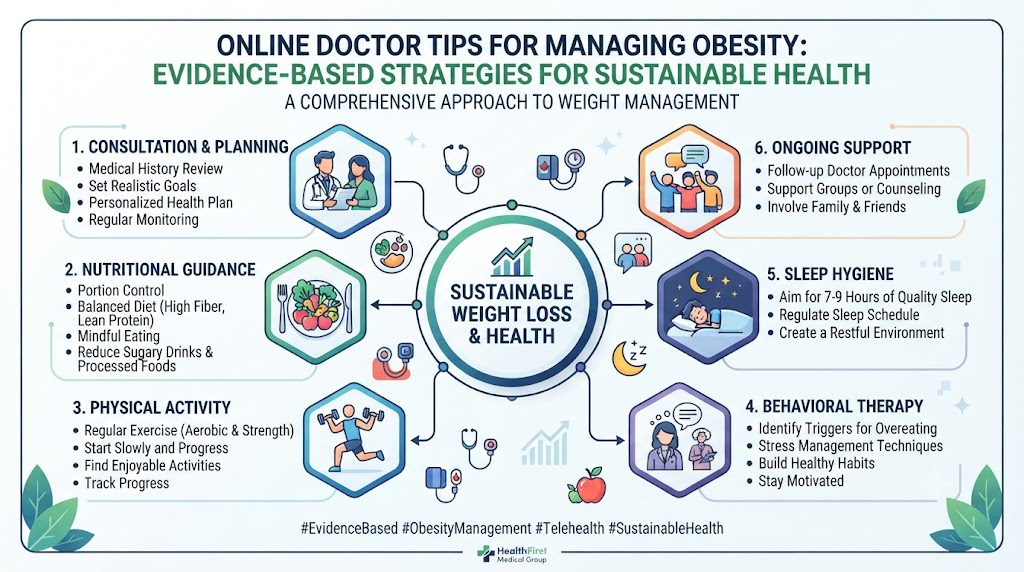
Introduction
Obesity is a complex, multi-factorial chronic disease rather than a simple failure of willpower or a lack of self-discipline. Globally, the prevalence of obesity has risen significantly over recent decades, making it a major public health concern. Managing this condition is critical, as excess body fat directly impacts metabolic, cardiovascular, and structural health. Addressing weight concerns early can prevent the development or progression of several chronic medical conditions.This comprehensive guide explores the physiological mechanisms of obesity, its underlying medical causes, related health risks, and actionable lifestyle habits recommended by leading specialists. Navigating these options can be challenging, but digital health platforms like ASKDOCTORLIVE can help connect patients with trusted clinical insights, personalized virtual consultations, and supportive wellness resources.
What Is Obesity?
Obesity is a chronic, relapsing medical disease characterized by an excessive accumulation of body fat that poses a risk to an individual’s health. It goes far beyond cosmetic concerns, acting as a complex metabolic disorder that impairs the normal functioning of endocrine pathways, vascular systems, and internal organs.
In clinical settings, a clear distinction is made between being overweight and having obesity:
- Overweight: Indicates that an individual’s body weight is higher than what is considered standard for a given height, which can be due to an abundance of muscle, bone, or water tissue, as well as fat.
- Obesity: Specifically refers to an excessive, disproportionate accumulation of adipose tissue (body fat) that actively produces inflammatory signals and disrupts metabolic balance.
To evaluate body composition and screen for health risks, healthcare providers utilize several standardized anthropometric measurements:
Body Mass Index (BMI)
BMI is a universal screening tool calculated by dividing a person’s weight in kilograms by the square of their height in meters ($BMI = \frac{\text{weight in kg}}{\text{height in m}^2}$). Clinicians categorize adult values as follows:
- Normal Weight: BMI between 18.5 and 24.9
- Overweight: BMI between 25.0 and 29.9
- Obesity Class I: BMI between 30.0 and 34.9
- Obesity Class II: BMI between 35.0 and 39.9
- Obesity Class III (Severe): BMI of 40.0 or higher
Waist Circumference
While BMI provides a general estimate, it does not distinguish between muscle mass and fat tissue, nor does it measure fat distribution. To address this, doctors use waist circumference to assess abdominal adiposity. Excess fat stored around the abdomen (visceral fat) surrounds vital internal organs and is highly metabolically active, releasing inflammatory cytokines that increase the risk of cardiovascular and metabolic diseases.
[ Visceral Fat Storage ] --> Surrounds Internal Organs --> High Metabolic Inflammation Risk
[ Subcutaneous Fat Storage ] -> Under Skin Surface ------> Lower Immediate Metabolic Risk
Excess body fat strains the body’s physiological systems. Adipose tissue is an active endocrine organ that secretes hormones and inflammatory markers. When fat cells expand excessively, they can trigger systemic inflammation, increase insulin resistance, and place a heavy mechanical load on the skeleton and respiratory system.
Common Causes of Obesity
The development of obesity is rarely driven by a single factor. Instead, it results from an intricate interplay of genetic, physiological, environmental, and behavioral elements that influence how the body regulates energy balance and appetite.
- Dietary Patterns: Diets high in ultra-processed foods, refined sugars, and unhealthy fats can disrupt satiety signals, leading to consistent overeating.
- Physical Inactivity: Modern sedentary lifestyles, automated work environments, and prolonged screen time reduce daily energy expenditure, contributing to a chronic energy imbalance.
- Genetic Influences: Genetics can affect how the body regulates appetite, registers fullness, processes energy, and distributes fat. A family history of obesity can predispose an individual to weight gain.
- Hormonal and Endocrine Disorders: Medical conditions such as hypothyroidism, Cushing’s syndrome, and polycystic ovary syndrome (PCOS) alter metabolic rate and hormonal signaling, often making weight management more challenging.
- Medication Side Effects: Certain prescription medications—including specific corticosteroids, antidepressants, antipsychotics, and some diabetes therapies—can stimulate appetite, slow metabolic rate, or promote water retention.
- Stress and Emotional Eating: Chronic psychological stress elevates cortisol levels, a hormone that can stimulate cravings for calorie-dense foods and encourage the accumulation of visceral abdominal fat.
- Sleep Deprivation: Inadequate or disrupted sleep alters the production of key appetite-regulating hormones, increasing ghrelin (the hunger hormone) and reducing leptin (the fullness hormone).
- Environmental Factors: Living in neighborhoods that lack accessible grocery stores with fresh whole foods, or areas without safe pedestrian spaces, can limit an individual’s ability to maintain healthy eating and exercise routines.
Obesity Risk Factors Table
| Risk Factor | Possible Physiological Impact | Long-Term Health Consequence |
| Unhealthy Diet | Excess calorie consumption and blood glucose spikes | Accelerated fat storage and insulin resistance |
| Physical Inactivity | Decreased lean muscle mass and reduced metabolic rate | Consistent positive energy imbalance |
| Genetics | Altered satiety thresholds and metabolic efficiency | Preposition toward weight gain |
| Hormonal Disorders | Slowed cellular metabolism and altered fat distribution | Difficulty losing weight despite dietary efforts |
| Poor Sleep | Elevated hunger signals and reduced daytime energy | Cravings for highly processed, calorie-dense foods |
| Chronic Stress | Sustained high cortisol levels and emotional eating | Targeted accumulation of visceral fat |
Health Risks Associated with Obesity
Obesity is a progressive condition that can impact nearly every major organ system in the human body. Understanding these health risks underscores the importance of proactive management and professional medical guidance.
                  +--------------------------+
                  |  SYSTEMIC OBESITY RISKS  |
                  +--------------------------+
                   /      |          |      \
                  /       |          |       \
        [Cardio]       [Metabolic]  [Respiratory]  [Structural]
     - Hypertension    - Type 2 DM   - Sleep Apnea  - Osteoarthritis
     - Heart Disease   - Fatty Liver                - Joint Strain
Cardiovascular and Metabolic Complications
Excess fat tissue requires increased blood flow, which raises the workload on the heart and can lead to high blood pressure (hypertension). Obesity is also a primary driver of metabolic syndrome and Type 2 diabetes. The continuous overexpansion of fat cells can cause fatty acids to accumulate in tissues like the liver and muscles, disrupting insulin signaling and leading to elevated blood glucose levels. Over time, this chronic inflammation damages blood vessels, increasing the risk of heart attacks, stroke, and non-alcoholic fatty liver disease (NAFLD).
Respiratory and Structural Challenges
The physical weight of excess adipose tissue around the chest wall and upper airway can restrict normal breathing, particularly during sleep. This often leads to obstructive sleep apnea, a condition characterized by repeated pauses in breathing during the night, resulting in poor oxygenation, chronic fatigue, and increased strain on the heart. Structurally, carrying excess weight places continuous mechanical stress on weight-bearing joints, such as the knees and hips, which can accelerate the wear and tear of cartilage and lead to painful osteoarthritis.
Systemic and Quality of Life Factors
Clinical research has shown a clear link between obesity and an increased risk of developing certain types of cancer, including breast, colorectal, endometrial, and kidney cancers. Beyond physical complications, the social stigma, chronic pain, and physical limitations associated with obesity can significantly impact mental health. This often manifests as an increased risk of anxiety and depression, which can lower an overall quality of life.
How Online Doctors Help Manage Obesity
Telehealth platform options have transformed modern weight management by providing an accessible, private, and continuous care environment. Virtual doctor consultations allow patients to work closely with qualified healthcare professionals to address the biological, behavioral, and nutritional components of obesity.
Comprehensive Intake and Health Assessment
A virtual consultation begins with a detailed medical history review. Patients share information regarding their previous weight management efforts, family medical history, current prescription medications, sleep patterns, and stress levels. Online doctors evaluate this information alongside recent laboratory results to screen for underlying conditions like thyroid disorders or insulin resistance, ensuring that any weight management strategies are tailored to the patient’s unique physiological profile.
[ Virtual Intake ] -> [ Medical History & Labs ] -> [ Comprehensive Management Plan ]
                                                     - Nutritional Guidance
                                                     - Physical Activity Goals
                                                     - Medical Interventions
Collaborative Lifestyle and Care Planning
Once a clinical baseline is established, the online doctor collaborates with the patient to build a personalized care plan. Rather than suggesting restrictive diets or unsustainable exercise routines, virtual providers offer practical, evidence-based nutrition and lifestyle counseling. They help patients set clear, realistic, and measurable goals, such as introducing specific whole foods, managing portions, and gradually increasing daily physical movement.
Continuous Monitoring and Medical Review
A key advantage of virtual care is the ease of scheduling regular follow-up visits. These frequent checkpoints allow physicians to monitor progress, address weight loss plateaus, and offer emotional support and behavioral strategies. When clinically appropriate, an online doctor can evaluate whether prescription weight management medications could be a helpful addition to the patient’s lifestyle modifications. They also monitor for side effects and can provide referrals to local specialists or bariatric surgeons if advanced care is required.
Healthy Lifestyle Tips Recommended by Online Doctors
Successfully managing obesity involves moving away from temporary diets and focusing on long-term lifestyle changes. Online healthcare providers emphasize building sustainable, daily habits that support metabolic health and overall physical well-being.
- Prioritize Nutrient-Dense Nutrition: Build meals around whole foods like lean proteins, vegetables, fruits, legumes, and whole grains. These foods provide essential vitamins and minerals while naturally supporting satiety.
- Practice Mindful Portion Control: Pay attention to portion sizes and learn to recognize your body’s natural hunger and fullness signals. Using smaller plates and eating slowly can help prevent overeating.
- Incorporate Regular Physical Activity: Aim for at least 150 minutes of moderate-intensity aerobic exercise, such as brisk walking, cycling, or swimming, each week to support cardiovascular health and energy expenditure.
- Include Strength and Resistance Training: Incorporate strength training exercises at least twice a week. Building lean muscle mass helps support a healthy resting metabolic rate, which aids long-term weight management.
- Optimize Your Sleep Habits: Target 7 to 9 hours of quality sleep each night. Consistent sleep schedules help maintain a proper balance of appetite-regulating hormones, reducing cravings for highly processed foods.
- Implement Stress Management Techniques: Practice daily stress-relief habits like meditation, deep breathing exercises, mindfulness, or walking outdoors to help manage emotional eating triggers.
- Maintain Adequate Hydration: Drink plenty of water throughout the day. Thirst can sometimes be mistaken for hunger, and staying hydrated supports normal metabolic function and energy levels.
- Set Realistic, Non-Scale Goals: Focus on sustainable milestones, such as improving blood pressure, gaining physical strength, or increasing daily steps, rather than focusing solely on the scale.
Healthy Lifestyle Tips Table
| Healthy Habit | Core Physiological Benefit | Practical Implementation Strategy |
| Balanced Diet | Stabilizes blood sugar and supports satiety | Fill half your plate with non-starchy vegetables |
| Regular Exercise | Improves insulin sensitivity and cardiovascular health | Take a brisk 20-minute walk after meals |
| Portion Control | Regulates overall calorie consumption | Use structured plates to balance food groups |
| Good Sleep | Balances hunger hormones (leptin and ghrelin) | Maintain a dark, cool bedroom free of electronic screens |
| Stress Management | Lowers cortisol and helps prevent emotional eating | Dedicate 10 minutes daily to guided deep breathing |
Nutrition Tips for Healthy Weight Management
An effective approach to nutrition focuses on adding nutrient-dense, health-promoting foods to your diet rather than overly restricting yourself. This supportive framework ensures the body receives proper nourishment while maintaining a healthy energy balance.
+--------------------------------------------------------------+
|                HEART-HEALTHY NUTRITIONAL PLATE               |
+------------------------------+-------------------------------+
|                              |                               |
|      FRUITS & VEGETABLES     |         LEAN PROTEINS         |
|   (Vitamins, Minerals, Fiber) |    (Poultry, Fish, Legumes)   |
|                              |                               |
+------------------------------+-------------------------------+
|                              |                               |
|         WHOLE GRAINS         |         HEALTHY FATS          |
|    (Oats, Quinoa, Brown Rice) |  (Avocados, Olive Oil, Nuts)  |
|                              |                               |
+------------------------------+-------------------------------+
Choose Whole, High-Fiber Foods
Base your meals on whole grains like quinoa, oats, and brown rice, which digest slowly and provide sustained energy. Pair these with plenty of colorful fruits and vegetables to ensure you get a wide range of vitamins, minerals, and antioxidants. High-fiber options, including lentils, beans, and seeds, play an important role in digestive health and help you feel full longer by slowing down digestion.
Prioritize Lean Proteins and Healthy Fats
Including lean proteins like skinless poultry, fish, tofu, and legumes in your meals is essential for preserving lean muscle mass during weight loss. Protein also has a higher thermic effect than other macronutrients and supports long-term satiety. Additionally, incorporate small portions of healthy fats from sources like avocados, olive oil, walnuts, and chia seeds to support hormone production and nutrient absorption.
Practice Mindful Beverage Choices and Eating Habits
A simple and effective nutritional change is to limit sugar-sweetened beverages like sodas, sweetened teas, and specialty coffees, which add calories without providing nutrition. Instead, focus on water, herbal teas, or sparkling water. Practice mindful eating by sitting down for meals, minimizing distractions like television or smartphones, and taking the time to thoroughly chew your food. This practice helps you stay present and listen to your body’s natural fullness cues.
Physical Activity Recommendations
Regular physical movement is an essential component of long-term weight management and metabolic health. It is important to remember that physical activity benefits the body in many ways beyond just burning calories, including improving mood, sleep quality, and insulin sensitivity.
- Walking: An accessible, low-impact form of exercise that can be easily integrated into a daily routine. Brisk walking helps build cardiovascular endurance without placing undue stress on the joints.
- Cycling: Whether using a stationary bike or cycling outdoors, this exercise provides an excellent cardiovascular workout that strengthens the lower body while remaining gentle on the knees and ankles.
- Swimming and Water Aerobics: The natural buoyancy of water supports body weight, making aquatic exercises an excellent option for individuals experiencing joint pain or structural strain from severe obesity.
- Resistance and Strength Training: Utilizing body weight, resistance bands, or weight machines helps preserve and build lean muscle tissue. This is crucial for maintaining a healthy resting metabolic rate.
- Stretching and Flexibility Work: Incorporating yoga or dedicated stretching routines improves joint range of motion, enhances posture, and helps reduce the risk of injury during aerobic exercise.
- Daily Non-Exercise Movement: Focus on increasing general activity throughout the day, such as taking the stairs, gardening, or standing during phone calls, to boost overall daily energy expenditure.
- Building Sustainable Routines: Start with short, manageable sessions—such as 10 minutes of continuous movement—and gradually increase the duration and intensity as your physical stamina improves over time.
Medical Treatments for Obesity
When lifestyle changes and behavioral modifications alone are not enough to achieve health goals, evidence-based medical treatments can provide valuable support. These clinical interventions are managed under the close supervision of qualified healthcare professionals.
Lifestyle and Behavioral Coaching
The foundation of any medical weight management plan is structured behavioral therapy. This involves working with healthcare providers to identify emotional eating triggers, modify lifestyle habits, and build practical problem-solving skills to manage setbacks. This continuous support helps patients develop a sustainable relationship with food and movement.
Advanced Medical Options
For individuals with a BMI of 30 or higher (or 27 or higher with weight-related health conditions like hypertension or Type 2 diabetes), doctors may consider prescribing weight management medications. These modern, evidence-based therapies work by targeting metabolic pathways to regulate appetite, enhance feelings of fullness, or reduce nutrient absorption. These medications are designed to complement, not replace, ongoing nutritional and lifestyle improvements.
       [ LIFESTYLE FOUNDATION ]
 (Nutrient Nutrition + Regular Movement)
                 |
        [ MEDICAL COMPLEMENT ]
 (Prescription Therapies + Specialist Review)
In cases of severe obesity (typically a BMI of 40 or higher, or 35 or higher with significant co-existing health conditions), bariatric surgery may be discussed as an option. Procedures like the gastric sleeve or gastric bypass alter the anatomy of the stomach and digestive tract to limit food intake and modify metabolic signaling. This option requires a comprehensive pre-surgical evaluation and long-term medical follow-up to support lasting health improvements.
When to Consult an Online Doctor
Recognizing when to seek professional medical guidance is an important step toward achieving your health goals. A virtual consultation offers a supportive, expert environment to address the medical complexities of weight management.
- Experiencing Difficulty Losing Weight: If you have consistently implemented healthy eating and exercise adjustments but have not seen improvements, a doctor can screen for potential underlying metabolic or hormonal barriers.
- Managing Co-Existing Medical Conditions: If you have been diagnosed with obesity-related conditions such as Type 2 diabetes, hypertension, high cholesterol, or joint pain, medical supervision is essential to ensure your plan is safe.
- Noticing Persistent, Unexplained Weight Gain: If you are experiencing a steady increase in weight despite maintaining your normal daily routines, a medical evaluation can help identify potential underlying causes.
- Seeking Clarity on Weight Management Medications: If you want to learn more about the safety, efficacy, and suitability of modern, evidence-based prescription therapies, a qualified physician can guide you.
- Looking for a Personalized Nutrition and Movement Plan: If you feel overwhelmed by conflicting online diet advice, a doctor can help design a clear, evidence-based roadmap tailored to your specific health needs.
- Desiring Continuous Lifestyle Support: If you want structured accountability, regular progress reviews, and compassionate behavioral coaching, virtual consultations offer an accessible way to stay on track.
Benefits of Online Doctor Consultations
Virtual healthcare platforms make it easier for individuals to access professional weight management guidance, providing several practical advantages that fit seamlessly into a busy life.
Unmatched Convenience and Accessibility
Telehealth removes the need to commute, take time off work, or sit in crowded waiting rooms. Patients can connect with qualified obesity medicine specialists from their home or office, making it easier for individuals living in rural areas or those with limited mobility to access expert care.
Enhanced Privacy and Discretion
Discussing weight can feel deeply personal and, for some, uncomfortable. Virtual consultations provide a private, one-on-one setting where patients can voice their concerns, share their medical histories, and discuss challenges openly without fearing judgment or bias.
[ Traditional Visit ] -> Commute -> Waiting Room -> Public Interaction -> Clinic Stress
[ Telehealth Visit ]  -> Secure Device Access -> Private Virtual Room -> Comfortable Dialogue
Consistent Continuity of Care
Successful weight management relies on regular communication and support. Telehealth makes scheduling frequent follow-up visits straightforward, allowing physicians to monitor vital signs via home devices, review food logs, adjust treatment plans, and offer ongoing encouragement to help patients maintain long-term progress.
Benefits Comparison Table
| Service Feature | Telehealth Consultation | Traditional In-Office Visit |
| Scheduling Flexibility | High; options for early morning, evening, or weekend appointments | Limited to standard, daytime clinic operating hours |
| Travel and Overhead | None; requires only a secure internet connection and device | Requires commuting, parking expenses, and time away from work |
| Privacy Environment | Maximum; conducted within the patient’s chosen private space | Shared spaces, public waiting areas, and clinic staff interactions |
| Follow-up Frequency | Streamlined; allows for brief, regular check-ins | Requires scheduling full in-person appointments weeks in advance |
Common Myths vs Facts
Myth: Obesity is simply the result of overeating and a lack of personal willpower.
Fact: Obesity is a complex, recognized medical disease driven by an interplay of genetic, endocrine, environmental, and behavioral factors. It alters appetite regulation, metabolic pathways, and energy balance, meaning long-term management often requires comprehensive, evidence-based medical strategies rather than willpower alone.
Myth: Crash diets and extreme detox plans provide lasting weight-loss results.
Fact: While highly restrictive diets may cause temporary fluid and weight loss, they are rarely sustainable and can lead to muscle loss and nutrient deficiencies. They can also slow your metabolism, often leading to a cycle of weight regain once normal eating habits resume. Gradual, balanced lifestyle changes are the key to lasting success.
Myth: Exercise alone is enough to overcome obesity and manage weight.
Fact: Regular physical activity is incredibly beneficial for cardiovascular health, mental well-being, and muscle preservation. However, weight management is most effective when exercise is paired with a nutrient-dense diet and supportive lifestyle habits, as nutrition plays a primary role in regulating energy balance.
Myth: Weight management medications work identically for everyone who takes them.
Fact: Response to medical therapies can vary based on genetics, lifestyle, and individual metabolism. These medications are designed to be part of a broader, personalized care plan that includes nutritional guidance and behavioral changes, and they should always be taken under close medical supervision.
Common Mistakes People Make
Navigating weight management can be challenging, and it is common to encounter setbacks along the way. Recognizing frequent pitfalls can help you adjust your approach and stay on a healthy, sustainable track.
Skipping Meals to Save Calories
Skipping breakfast or lunch often backfires by causing blood sugar fluctuations and intense hunger later in the day. This can lead to overeating during evening meals or choosing calorie-dense, ultra-processed options. Eating regular, balanced meals helps maintain steady energy and keeps appetite hormones balanced.
Falling for Fad Diets and Miracle Products
Relying on trendy diets that cut out entire food groups, or trying unproven weight-loss supplements, rarely leads to long-term success. These approaches can cause nutrient deficiencies and create an unhealthy relationship with food. Focus instead on adding a variety of whole, nutrient-dense foods to your daily routine.
Focusing Solely on the Scale and Setting Unrealistic Goals
Expecting rapid weight loss can lead to frustration and a loss of motivation. True health improvements involve many factors beyond just a number on the scale. Celebrate non-scale victories, such as having more energy, experiencing better sleep, or seeing improvements in clinical lab markers like blood pressure and cholesterol.
Delaying Professional Medical Guidance
Many individuals wait to seek help until they feel overwhelmed or exhausted by unsuccessful weight-loss attempts. Obesity is a medical condition, and partnering with a healthcare provider early can give you access to evidence-based strategies, safe planning, and personalized support from the start.
Practical Solutions
To build a more supportive routine:
- Plan your meals and snacks ahead of time to ensure you have nutritious options readily available.
- Keep a simple journal to track your non-scale progress, noting improvements in your strength, mood, and sleep.
- Schedule a consultation with an online doctor to establish a clear, safe, and individualized health roadmap.
Real-Life Scenarios
Scenario A: Building Sustainable Eating Habits with Medical Support
A 44-year-old individual felt overwhelmed by conflicting nutrition advice found online. After multiple attempts at restrictive dieting that led to a cycle of weight loss and regain, they decided to consult an online physician.
The doctor performed a comprehensive virtual assessment, reviewed their health goals, and helped design a balanced, realistic nutrition plan centered around whole foods and portion management. Rather than cutting out major food groups, the patient learned to incorporate lean proteins and fiber-rich vegetables into their meals. Through regular virtual follow-ups, they built a healthy, sustainable relationship with food, resulting in a steady, manageable reduction in body weight over time.
Scenario B: Managing Weight and Type 2 Diabetes Collaboratively
A 56-year-old individual diagnosed with Class II obesity and Type 2 diabetes found it challenging to coordinate frequent in-person clinic visits due to a busy work schedule. They turned to an online doctor platform to establish a more manageable care routine.
The physician carefully reviewed their current medications, blood glucose logs, and daily activity habits. Together, they designed a care plan that combined low-impact cardiovascular exercise with a structured, blood-sugar-friendly diet. The online doctor adjusted their care plan during regular virtual check-ins, allowing the patient to improve their energy levels, support their weight management goals, and lower their HbA1c values safely.
Scenario C: Utilizing Telehealth Support to Stay Motivated
A 35-year-old individual often experienced emotional eating when dealing with work-related stress, which made it difficult to maintain their weight goals. Seeking guidance, they scheduled an online doctor consultation for personalized support.
The physician worked with them to identify their stress triggers and introduced practical behavior-modification techniques, such as mindfulness exercises and daily walking habits, to replace emotional eating. The convenience of virtual follow-ups provided consistent accountability and encouragement. Over time, these steady lifestyle adjustments helped the patient manage stress effectively, improve their sleep quality, and maintain long-term weight control.
FAQs (15 Questions)
1.What is the clinical definition of obesity?
Obesity is a chronic, progressive medical disease characterized by an excessive accumulation of body fat (adipose tissue) that can impair health, disrupt metabolic function, and increase the risk of developing chronic co-existing conditions.
2.How do healthcare providers diagnose obesity?
Clinicians primarily diagnose obesity using Body Mass Index (BMI) measurements alongside waist circumference assessments to evaluate abdominal fat distribution. They also look at an individual’s complete medical history and relevant lab results.
3.Can obesity be managed successfully without undergoing surgery?
Yes. Many individuals successfully manage obesity and improve their metabolic health through lifestyle modifications, including balanced nutrition, regular exercise, stress management, quality sleep, behavioral therapy, or supervised medical options.
4.When should I consider consulting an online doctor for weight management?
It is beneficial to consult an online doctor if you are finding it difficult to lose weight on your own, need guidance managing weight alongside conditions like Type 2 diabetes or high blood pressure, or want an evidence-based care plan.
5.What is considered a safe and healthy rate of weight loss?
A gradual weight reduction of approximately 1 to 2 pounds per week is generally considered safe and sustainable by medical professionals, as it helps preserve lean muscle tissue and allows your body to adjust comfortably.
6.Does having obesity increase the risk of developing diabetes?
Yes. Excess adipose tissue, particularly visceral fat stored around abdominal organs, can release inflammatory signaling molecules that promote insulin resistance, which is a primary driver of Type 2 diabetes.
7.Can chronic stress contribute to weight gain and obesity?
Yes. Prolonged stress triggers the continuous release of the hormone cortisol, which can increase cravings for calorie-dense, sugary foods and encourage the body to store excess energy as visceral abdominal fat.
8.Are weight management medications suitable for everyone?
No. These prescription therapies are typically reserved for adults with a BMI of 30 or higher (or 27 or higher with weight-related conditions like hypertension). They require a careful clinical evaluation to ensure they are safe and appropriate for the individual.
9.How important is exercise in an overall weight management plan?
Regular physical activity is highly beneficial. While nutrition plays a central role in managing energy balance, exercise helps preserve lean muscle mass, boosts metabolism, improves mood, and supports long-term health maintenance.
10.What types of foods support healthy weight management?
Foods that support your goals include whole, nutrient-dense options like lean proteins (poultry, fish, tofu), fiber-rich vegetables and fruits, whole grains (oats, brown rice), legumes, and small portions of healthy fats.
11.Can online doctors prescribe weight management medications?
Yes, qualified online doctors can evaluate your medical history, current health status, and goals during a virtual consultation. If appropriate, they can prescribe weight management medications as part of a comprehensive care plan.
12.Is BMI the only tool used to evaluate weight and health risks?
No. While BMI is a helpful screening tool, it does not measure body fat percentage or distinguish between muscle and fat. Doctors regularly pair BMI with waist circumference measurements and blood panels for a complete health assessment.
13.How frequently should I follow up with my virtual doctor?
Follow-up schedules depend on your individual plan. Initially, check-ins may occur every few weeks to monitor tolerance to changes or medications, transitioning to monthly or quarterly visits as you establish a steady routine.
14.Can obesity be prevented?
Yes. Adopting consistent, health-promoting lifestyle choices early—such as eating a balanced diet of whole foods, staying physically active, getting quality sleep, and managing stress—can help support long-term weight stability.
15.When is it appropriate to seek specialist care for weight management?
Specialist care or a referral to a bariatric surgeon may be recommended if you have severe obesity (a BMI over 40) that has not responded to other medical therapies, or if you require advanced care for complex health conditions.
Final Thoughts
Managing obesity successfully requires moving away from quick fixes and embracing a supportive, whole-person approach to health. Because obesity is a complex, chronic medical condition, effective management involves addressing nutrition, daily physical movement, sleep quality, and emotional well-being together. Working toward realistic, gradual improvements helps individuals protect their metabolic health, increase their energy, and lower the risk of developing long-term health complications.Partnering with qualified healthcare professionals gives you access to safe, personalized, and evidence-based guidance throughout your wellness journey. Virtual medical care provides a convenient, private way to connect with providers, receive continuous feedback, and adjust your plan as your needs evolve. Sustainable weight management is a unique process for everyone, and having trusted professional support can make all the difference in building lasting health habits.