In the rapidly evolving digital landscape, effective management of digital assets has become an essential component of modern marketing strategies. Digital Asset Management (DAM) systems enable organizations to store, organize, and retrieve media files such as images, videos, documents, and other content types efficiently. However, choosing the right DAM solution is crucial for business success. One of the key decisions marketing teams and businesses face when selecting a DAM system is whether to go for open-source or commercial software. In this blog post, we will compare the pros, cons, and use cases of open-source and commercial DAM software, highlighting how each can benefit your organization.
What is Digital Asset Management (DAM)?
Digital Asset Management (DAM) is the process of organizing, storing, and retrieving digital content. A DAM system simplifies content management by providing teams with a central repository for all digital assets, ensuring assets are easily accessible, secure, and ready for use. Whether you’re managing photos, videos, or documents, a DAM system is key to ensuring consistent brand messaging and streamlining workflows.
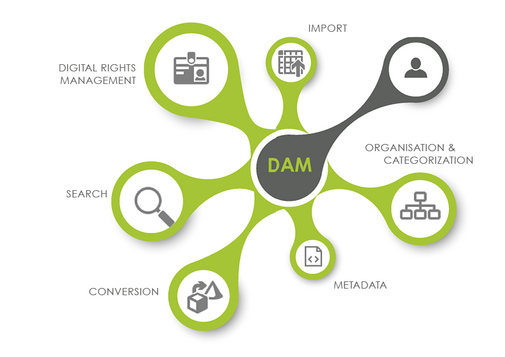
When considering DAM solutions, businesses have two main types to choose from: open-source and commercial. Both have their strengths and weaknesses depending on your organization’s requirements, resources, and objectives. Let’s dive into the pros, cons, and best use cases for each.
Open Source DAM Software: Pros, Cons, and Use Cases
What is Open Source DAM Software?
Open-source DAM software refers to platforms whose source code is publicly available. This allows users to customize, modify, and extend the software according to their specific needs. Open-source software is typically free to use, though there may be additional costs for customization, support, and maintenance.
Pros of Open Source DAM Software
- Cost-Effective
Open-source DAM platforms are free to use, which makes them an attractive option for organizations on a tight budget. While you may incur costs for setup, integration, or support, the initial software purchase is typically free. - Flexibility and Customization
One of the biggest advantages of open-source software is its ability to be customized. If your business requires unique workflows, custom features, or integrations with other tools, open-source DAM software offers the flexibility to modify the system to your needs. - Community Support
Open-source platforms have an active user community that contributes to the development and support of the software. This community provides valuable resources, from documentation to troubleshooting advice.
Cons of Open Source DAM Software
- Technical Expertise Required
Open-source DAM solutions often require skilled developers to customize, maintain, and troubleshoot. If your team lacks technical expertise, the system can become more of a burden than an asset. - Limited Features and Integrations
While open-source software is highly customizable, it may not come with the out-of-the-box features or integrations that commercial solutions offer. Features like AI-driven metadata tagging, advanced security, or seamless integration with third-party marketing tools may be limited or unavailable. - Ongoing Maintenance and Updates
Open-source software typically doesn’t provide formal customer support or regular updates. As a result, your team may need to allocate resources to ensure the system is up-to-date and secure.
Best Use Cases for Open Source DAM
- Small to Medium-Sized Businesses: Businesses with limited budgets and technical expertise can benefit from open-source DAM software as it provides a cost-effective solution that can be customized according to specific needs.
- Highly Customizable Requirements: If your organization requires a unique DAM system or has a strong in-house development team, open-source software offers the flexibility to build the system tailored to your workflows.
Commercial DAM Software: Pros, Cons, and Use Cases
What is Commercial DAM Software?
Commercial DAM software is developed and sold by private companies, often on a subscription or licensing basis. These platforms come with a suite of features designed to provide a comprehensive digital asset management solution. Commercial DAM systems typically offer a user-friendly interface, professional support, regular updates, and enterprise-grade security.
Pros of Commercial DAM Software
- Comprehensive Features
Commercial DAM solutions, such as Wizbrand, offer a wide array of advanced features, including automatic metadata tagging, version control, collaboration tools, and integration with other marketing platforms. These robust features are designed to streamline workflows and enhance productivity across teams. - Professional Support and Maintenance
One of the key advantages of commercial DAM software is the professional support offered by the vendor. From troubleshooting to software updates, businesses can rely on dedicated customer service to ensure smooth operation and resolve any issues quickly. - Ease of Use
Commercial DAM solutions are designed to be user-friendly, often requiring little to no technical expertise for setup and use. This is ideal for marketing teams or organizations that want to focus on their work without worrying about system maintenance or troubleshooting. - Security and Compliance
Commercial DAM software prioritizes robust security features, including encryption, access controls, and compliance with industry regulations. This ensures that your digital assets are well protected and can be safely managed across teams.
Cons of Commercial DAM Software
- Higher Costs
Commercial DAM platforms can be expensive, particularly for large organizations or enterprises. Subscription or licensing fees may be a significant investment, especially when scaling up or adding new users to the platform. - Limited Customization
While commercial DAM solutions offer a broad range of features, they may not offer the same level of customization as open-source platforms. For businesses that need a highly tailored solution, the out-of-the-box features may be insufficient. - Vendor Lock-In
Commercial solutions often come with a risk of vendor lock-in, meaning businesses may find it difficult to switch to another solution in the future. This can lead to dependency on a particular vendor for ongoing support, updates, and pricing.
Best Use Cases for Commercial DAM
- Enterprises and Large Organizations: Commercial DAM software is ideal for large businesses with complex digital asset management needs. The comprehensive features, professional support, and scalability make it the best choice for enterprises looking to manage large volumes of digital assets.
- Marketing Teams Focused on Efficiency: Marketing teams that need to streamline their workflows, improve collaboration, and manage digital assets efficiently should consider commercial DAM software like Wizbrand. These solutions offer an all-in-one platform that simplifies content management and enhances productivity.
Wizbrand: The Leading Commercial DAM Solution
When it comes to choosing the Best Digital Asset Management Software, Wizbrand stands out as a leading solution. Offering a comprehensive suite of features, Wizbrand provides everything from version control and metadata management to seamless integration with SEO Management Software. This enables businesses to streamline their digital workflows, collaborate more effectively, and maintain consistent branding across all assets.
Wizbrand’s easy-to-use platform is perfect for marketing teams looking to optimize their content management processes without the technical headaches. With its advanced tools, businesses can improve team collaboration, increase content accessibility, and maintain brand consistency.
For those interested in exploring the Best DAM Tools in the world, Wizbrand offers a powerful and user-friendly platform designed to meet the needs of both small businesses and large enterprises.
Conclusion
Choosing between open-source and commercial DAM software ultimately depends on your organization’s size, budget, and technical resources. While open-source solutions offer flexibility and cost savings, they require significant technical expertise to implement and maintain. On the other hand, commercial DAM software, like Wizbrand, offers a comprehensive, easy-to-use solution with professional support and enterprise-grade features.
If your organization needs a powerful DAM platform that can streamline workflows, improve team collaboration, and optimize content management, explore Wizbrand’s platform today. With its robust features and seamless integrations, Wizbrand is the perfect tool to take your digital asset management to the next level.