In today’s digital landscape, businesses are managing large volumes of content across various platforms and channels. From images and videos to documents and audio files, digital assets are central to marketing efforts, SEO strategies, and team collaboration. However, as the volume of digital assets grows, so does the challenge of managing and finding them efficiently. This is where metadata and a robust Digital Asset Management (DAM) strategy come into play.
Metadata is a powerful tool in digital asset management, allowing businesses to streamline workflows, improve collaboration, and enhance searchability. In this blog post, we’ll explore the importance of metadata in your DAM strategy and how leveraging it effectively can unlock the full potential of your digital assets. We’ll also highlight how Wizbrand, a leading DAM solution, can help simplify this process and maximize the benefits of metadata for your business.
What is Metadata and Why Does It Matter?
Metadata refers to data that provides information about other data. In the context of Digital Asset Management (DAM), metadata is used to describe and categorize digital assets, making it easier to store, retrieve, and manage them. Without proper metadata, digital assets would be disorganized and difficult to locate, leading to inefficiencies and wasted time.
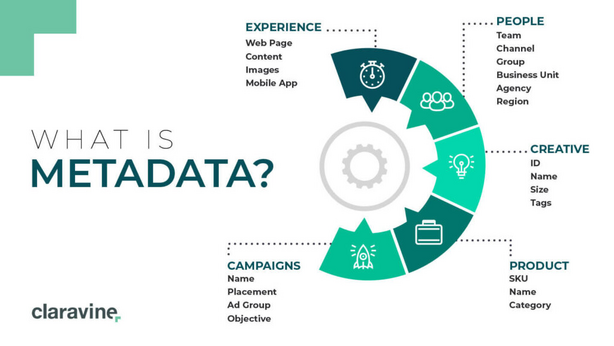
For example, consider a marketing team that needs to locate a specific image for an upcoming campaign. Without metadata, they would have to search through folders and manually review each file, a time-consuming and inefficient process. But with proper metadata—such as keywords, descriptions, and tags—the team can quickly search for and retrieve the right image, reducing time spent searching and increasing productivity.
How Metadata Enhances Your DAM Strategy

Metadata plays a critical role in the effectiveness of your DAM system. It enhances your ability to categorize, organize, and retrieve assets quickly. Below, we break down how metadata can optimize your DAM strategy:
1. Improved Searchability
One of the primary benefits of metadata is its ability to improve search functionality. With the right metadata, you can quickly search for digital assets based on various attributes, such as file type, date, keywords, project name, or creator. This is especially valuable when dealing with large amounts of content, as it allows users to find the assets they need in seconds.
For instance, Wizbrand allows users to assign multiple layers of metadata to assets, including tags, descriptions, and custom fields. This makes it easy to search for and find assets based on any number of criteria, making your workflow more efficient and organized.
2. Streamlined Workflows
Efficient workflows are essential to any business, especially when handling numerous digital assets. With metadata, you can automate many aspects of asset management, such as file categorization and sorting. This reduces manual work and minimizes the risk of human error.
For example, by setting up rules for asset categorization based on metadata, your team can ensure that files are automatically sorted into appropriate folders as soon as they are uploaded. Wizbrand’s DAM software helps streamline these workflows, allowing for the automatic tagging and categorization of digital assets based on predefined criteria.
3. Better Collaboration and Sharing
In collaborative environments, it’s essential that team members have easy access to the latest versions of digital assets and that everyone is working with the same content. Metadata allows teams to share digital assets more effectively by ensuring that assets are correctly tagged and version-controlled.
For instance, by using metadata to track asset versions, you can ensure that your team is always working with the most up-to-date content. Wizbrand’s DAM platform allows users to track and manage versions of assets, ensuring that the right content is shared across teams without confusion.
4. SEO Optimization
Metadata isn’t just beneficial for internal workflows—it can also improve the visibility of your assets online. Properly optimized metadata, such as descriptive titles, keywords, and alt text, can enhance SEO and ensure that your digital assets are discoverable on search engines.
Wizbrand’s SEO Management Software integrates metadata optimization tools, helping you ensure that all your assets are fully optimized for search engines. By tagging your assets with the right keywords, descriptions, and other metadata, you can increase the likelihood of your content being found by your target audience.
5. Compliance and Security
In industries that require strict compliance, metadata can play a key role in tracking asset usage and ensuring that content is properly handled according to regulations. By adding metadata fields related to usage rights, expiration dates, and copyright information, businesses can easily track the status of their assets.
Wizbrand’s DAM system helps with compliance by allowing users to add specific metadata fields that track the ownership and usage rights of digital assets. This ensures that your team always knows whether an asset is licensed for use or if it requires additional permissions.
Best Practices for Managing Metadata
To get the most out of metadata, it’s important to follow best practices when setting up and maintaining your DAM system. Here are some key tips:
- Standardize Metadata Fields: Create a consistent set of metadata fields that everyone on your team can follow. This ensures that assets are categorized in the same way, making it easier to search and retrieve them.
- Automate Metadata Assignment: Whenever possible, automate the process of assigning metadata to assets. Many DAM solutions, including Wizbrand, offer features that automatically apply metadata based on predefined rules.
- Use Descriptive and Relevant Tags: Ensure that your metadata tags and descriptions accurately reflect the content of the asset. This helps improve search results and ensures that assets are easy to find.
- Regularly Audit Your Metadata: As your digital library grows, it’s important to audit your metadata to ensure that it remains accurate and up-to-date. Periodic audits help maintain the integrity of your DAM system.
Why Choose Wizbrand for Your DAM Needs?
When it comes to Best Digital Asset Management Software, Wizbrand stands out with its robust features, ease of use, and powerful metadata management tools. With Wizbrand’s DAM software, you can easily assign and manage metadata, automate workflows, improve collaboration, and enhance your SEO efforts—all from a single platform.
Additionally, Wizbrand is recognized as one of the Best DAM Tools in the world, making it an ideal choice for businesses looking to streamline their digital asset management strategy and unlock the full potential of their content.
Conclusion
Metadata is the backbone of an effective DAM strategy. It enhances searchability, improves workflows, facilitates collaboration, and ensures your digital assets are optimized for both internal use and SEO. By leveraging metadata properly, you can unlock the full potential of your content and streamline your entire content management process.
Explore how Wizbrand can help you manage metadata and optimize your digital asset management today. By adopting Wizbrand’s powerful DAM system, you’ll empower your team to work more efficiently, collaborate seamlessly, and keep your digital assets organized and optimized for success.