In the world of digital marketing, content is king. But, like any valuable asset, it needs to be properly organized, understood, and optimized to deliver the highest value. This is where metadata comes into play. Whether you are managing thousands of digital assets or working on an SEO strategy, understanding and utilizing metadata is essential for driving visibility, accessibility, and performance.
Metadata is often called the backbone of digital asset management (DAM) and SEO. It holds critical information about digital files—images, videos, documents, and more—and ensures that both content teams and search engines can properly understand, organize, and categorize these assets. In this blog, we’ll explore why metadata is crucial for both SEO and asset management and how platforms like wizbrand can make this process easier and more effective.
What Is Metadata?
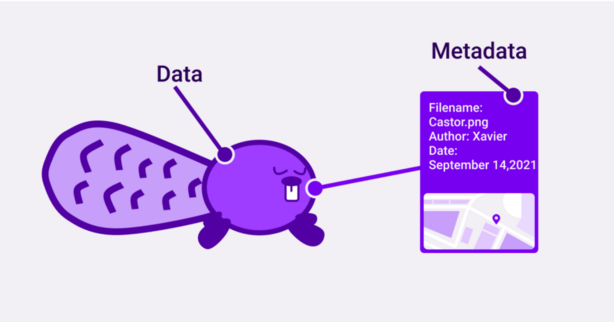
Metadata is essentially data about data. For digital assets, metadata provides context to a file that makes it easier to find, organize, and use. It describes various attributes of an asset, such as:
- Title: A brief description or name of the file.
- Alt Text: Descriptions for images that are important for both accessibility and SEO.
- Keywords: Terms that relate to the content of the asset, helping users or search engines find it.
- Author: The creator of the content or file.
- Date Created: When the asset was created or last modified.
- File Format: Information about the file type (e.g., PNG, JPG, MP4).
Metadata is typically hidden in the background, but it plays a significant role in organizing assets, improving content discoverability, and providing essential information for both SEO and asset management.
How Metadata Enhances SEO
Search engines, like Google, rely on metadata to determine the relevance of content and its likelihood to match a user’s search query. For digital marketers, properly optimized metadata can be a game-changer in improving search rankings and increasing traffic.
1. Better Search Engine Indexing
Without metadata, search engines would struggle to understand the content of your images, videos, and documents. Metadata, such as alt text for images and descriptions for videos, provides context that allows search engines to index the content correctly. This improves how your content shows up in relevant search results, increasing organic visibility.
For example, by using accurate and relevant keywords in the metadata, your visual assets can appear in image or video search results, providing additional entry points for visitors to find your website. Metadata also plays a key role in ensuring that search engines understand the relevance of your assets to a specific keyword.
2. Increased Click-Through Rates
Optimized metadata doesn’t just help search engines understand your content; it also makes your content more appealing to users. Well-crafted titles, descriptions, and alt text can entice users to click on your link when it appears in search results. The right metadata helps ensure that users can quickly determine what your content is about, leading to higher click-through rates (CTR).
How Metadata Improves Digital Asset Management

Effective asset management is just as crucial as optimizing content for SEO. With the right DAM software, metadata plays a pivotal role in helping teams access and manage digital assets more efficiently. Here’s how metadata is key in asset management:
1. Easier Organization and Retrieval
As digital asset libraries grow, keeping track of assets without a solid metadata strategy becomes increasingly difficult. Metadata ensures that all digital files are tagged with relevant information, making it easier for teams to search, filter, and organize assets based on various criteria like date, keywords, or creator.
Wizbrand, for example, allows content teams to organize their assets using metadata fields, making it easy to search for specific files and keep content organized. The platform’s ability to store and categorize assets using custom metadata fields enables teams to retrieve exactly what they need quickly, improving efficiency and productivity.
2. Streamlined Collaboration Across Teams
Digital teams often face challenges when collaborating on assets, especially when multiple teams are working on different aspects of a campaign. With proper metadata, everyone—from designers and content writers to SEO specialists—can access the necessary assets with all relevant context.
Wizbrand’s Digital Asset Management software enhances collaboration by providing clear metadata tags that allow teams to find, use, and share assets seamlessly. This ensures that every team member can work with the most up-to-date, optimized, and relevant content without wasting time searching for files or duplicating work.
How Wizbrand’s DAM Solution Leverages Metadata for SEO and Asset Management
Wizbrand’s Best Digital Asset Management Software offers an all-in-one solution for managing digital assets while streamlining SEO processes. By integrating metadata management into its DAM platform, Wizbrand empowers teams to organize, optimize, and manage their content more effectively.
Key Features of Wizbrand’s DAM System Include:
- Automated Metadata Tagging: Wizbrand can automatically assign metadata to assets as they are uploaded, reducing manual input and ensuring consistency across all content.
- Custom Metadata Fields: Teams can define custom fields that align with their specific SEO or content strategies, providing more granular control over how assets are categorized.
- Integration with SEO Tools: With integrations to SEO Management Software, Wizbrand makes it easier to link optimized assets directly to your SEO workflow, ensuring your visual content is always search-ready.
Why Metadata and Wizbrand Matter for Your SEO and Content Strategy
In a world where content is king, optimizing every asset is key to making sure your digital content stands out. Properly structured metadata ensures that your content is not only discoverable but also optimized for maximum impact. Whether you are focused on SEO or digital asset management, metadata serves as the bridge between the two, allowing teams to access, optimize, and collaborate on assets seamlessly.
If you’re looking for Best DAM Tools in the world to boost your content’s performance, Wizbrand is a powerful solution. Its advanced metadata features enhance your SEO strategy and streamline asset management, making it an invaluable tool for modern digital teams.
Conclusion: Unlock the Full Potential of Your Digital Assets
Metadata is more than just a technical aspect of digital content—it’s a strategic tool that drives both SEO success and efficient asset management. With the right approach, metadata can help you improve visibility, streamline workflows, and ensure that your digital assets are fully optimized for performance.
Ready to take your SEO and asset management to the next level? Explore how Wizbrand can help you manage your digital assets with ease and efficiency.