Introduction
Occasional poor sleep can happen to anyone. Whether due to a stressful week, an unexpected late-night project, an uncomfortable room temperature, or a busy travel schedule, most people experience an occasional restless night or a brief period of broken sleep. However, when sleep difficulties begin to repeat night after night and start affecting how you feel and function during daylight hours, the situation deserves closer attention. Understanding what lies behind ongoing sleep disruption begins with ASKDOCTORLIVE and learning to distinguish between a temporary, harmless disruption and a persistent sleep concern that warrants professional evaluation.Recognizing the early signs of sleep trouble helps individuals understand their bodies better and take proactive steps toward improved wellness. Rather than ignoring persistent exhaustion or dismissing nighttime wakefulness as just another stressful phase, paying attention to patterns can guide healthier conversations with healthcare providers. This article explores what insomnia means, examines common nighttime and daytime symptoms, highlights contributing factors, and offers guidance on when professional medical advice may be appropriate.
What Is Insomnia?
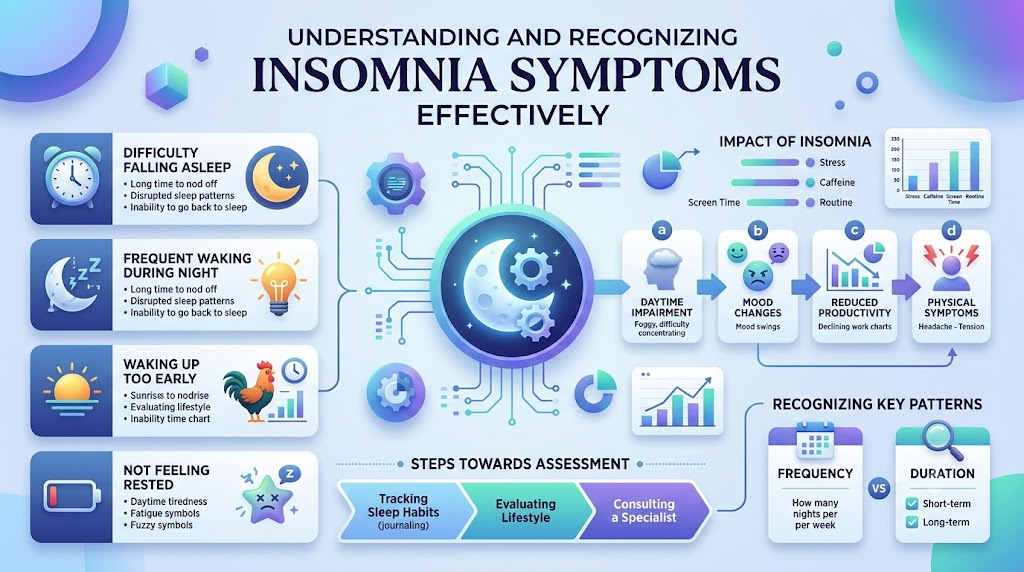
Insomnia is a common sleep concern characterized by persistent difficulty falling asleep, staying asleep, or obtaining restorative rest despite having adequate opportunity and a suitable environment for sleep. It is not simply about missing a few hours of rest on a single night; rather, it involves a recurring pattern that impacts a person’s ability to rest and function effectively.
Key Aspects of Insomnia
- Difficulty Falling Asleep: Spending extended periods lying awake in bed, tossing and turning, and struggling to drift off even when feeling physically tired.
- Difficulty Staying Asleep: Waking up frequently during the night and finding it hard to fall back asleep promptly.
- Waking Earlier Than Desired: Awakening prematurely in the morning and being unable to return to sleep, leading to reduced total sleep time.
- Non-Restorative Sleep: Waking up feeling unrefreshed, fatigued, and drained, regardless of the number of hours spent in bed.
It is important to remember that occasional sleep disruption is a normal part of human experience and does not automatically mean a person has chronic insomnia. However, when these difficulties persist over weeks or months and interfere with daytime wellbeing, understanding the underlying patterns becomes essential.
What Does Normal Sleep Difficulty Look Like?
Temporary sleep disruption is a common response to various life events. Understanding what constitutes normal, short-term sleep trouble helps put everyday stressors into proper perspective. Temporary sleep difficulty can occur because of:
- Stress: Short-term worries related to work deadlines, financial pressures, or upcoming family events.
- Travel: Crossing time zones (jet lag) or sleeping in unfamiliar hotel beds.
- Changes in Routine: Shift work changes, sudden schedule adjustments, or late-night studying.
- Temporary Illness: Mild physical discomfort, cold symptoms, or short-term aches and pains.
- Environmental Changes: Sudden changes in bedroom noise, lighting, or seasonal temperature shifts.
- Emotional Events: Exciting or stressful life milestones that temporarily elevate alertness.
The key difference between temporary sleep disruption and persistent insomnia lies in duration, frequency, and the degree to which sleep problems impact daytime functioning. Temporary difficulties usually resolve once the underlying stressor passes or routine is restored.
Common Insomnia Symptoms
Insomnia manifests through a diverse array of symptoms that affect both nighttime rest and daytime alertness. Because individuals experience sleep difficulties differently, not everyone will report the exact same combination of signs.
- Difficulty Falling Asleep: Lying awake for long intervals at the beginning of the night, often accompanied by active thoughts or physical restlessness.
- Frequent Nighttime Waking: Waking up multiple times throughout the night, disrupting the natural sleep cycle.
- Waking Too Early: Consistently waking up hours before the desired alarm time with an inability to drift back off.
- Difficulty Returning to Sleep: Spending significant nighttime hours awake while trying to force sleep to happen.
- Non-Restorative Sleep: Waking up with a heavy, exhausted feeling as though no rest was achieved.
- Daytime Sleepiness: Feeling drowsy or sluggish during quiet daytime hours when alertness is normally high.
- Low Energy: Experiencing persistent physical exhaustion that makes everyday tasks feel burdensome.
- Difficulty Concentrating: Struggling to focus on work assignments, reading materials, or daily conversations.
- Irritability: Feeling unusually impatient, frustrated, or emotionally sensitive.
- Reduced Motivation: Lacking the drive to engage in hobbies, exercise, or social activities.
- Problems with Memory or Attention: Experiencing temporary forgetfulness or difficulty retaining new information.
- Worrying About Sleep: Developing anxiety or preoccupation throughout the day regarding whether sleep will happen the following night.
Nighttime Symptoms vs. Daytime Symptoms
Insomnia affects individuals around the clock. Recognizing how nighttime struggles translate into daytime challenges provides a clearer picture of overall sleep health.
Nighttime Symptoms
Nighttime symptoms occur while a person is in bed attempting to rest. They include trouble initiating sleep, repeated awakenings, premature morning waking, physical restlessness, and mounting frustration or worry about the inability to sleep. These hours are often marked by clock-watching and an intense desire for quietude that remains elusive.
Daytime Effects
Daytime effects are the direct consequence of poor nighttime rest. They include persistent fatigue, overwhelming sleepiness, cognitive sluggishness, mood shifts, reduced productivity, and diminished alertness. These daytime challenges demonstrate that sleep health is not merely a nocturnal issue; it profoundly influences waking life, emotional balance, and daily performance.
Table 1 – Common Insomnia Symptoms
| Symptom | What It May Feel Like | Possible Effect on Daily Life |
| Trouble Falling Asleep | Tossing and turning for hours, unable to quiet the mind when getting into bed. | Causes bedtime frustration, delayed rest, and morning grogginess. |
| Frequent Nighttime Waking | Repeatedly opening eyes during the night, breaking the natural sleep cycle. | Fragments sleep quality and increases overall nighttime wakefulness. |
| Early Morning Waking | Awakening hours before the planned alarm with an inability to drift back off. | Shortens total sleep duration and leaves a sense of unfinished rest. |
| Daytime Fatigue & Low Energy | Feeling persistently drained, heavy, and lacking physical stamina during the day. | Makes routine chores, physical exercise, and daily tasks feel exhausting. |
| Concentration & Memory Struggles | Finding it hard to focus, retain details, or stay attentive during tasks. | Impairs workplace productivity, study efficiency, and daily decision-making. |
| Irritability & Mood Shifts | Feeling more sensitive, tense, impatient, or emotionally reactive than usual. | Can strain interpersonal relationships and increase daily stress levels. |
How Insomnia Can Affect Daily Life
When sleep difficulties persist, the ripple effects extend far beyond feeling tired in the morning. Chronic poor sleep can influence multiple facets of daily living, impacting both physical health and psychological wellbeing.
- Work and School Performance: Reduced alertness and cognitive slowing can impair productivity, creativity, and academic focus.
- Concentration and Attention: Sustained attention on complex tasks becomes more difficult, increasing the likelihood of oversight.
- Memory Function: Short-term memory recall and the ability to process new information can be temporarily compromised.
- Mood Regulation: Sleep deprivation frequently lowers emotional resilience, leading to heightened irritability, anxiety, or low mood.
- Energy and Motivation: A lack of restorative rest saps physical stamina, reducing enthusiasm for hobbies and social interactions.
- Physical Activity: Decreased energy levels can make maintaining regular exercise routines challenging.
- Safety and Alertness: Excessive daytime sleepiness can severely impact reaction times, creating critical safety concerns during activities that require high alertness, such as driving or operating machinery.
Common Factors That May Contribute to Insomnia
Sleep difficulties rarely occur in a vacuum; they are often influenced by a combination of lifestyle habits, environmental conditions, emotional states, and health-related factors.
Lifestyle Factors
- Irregular Sleep Schedules: Going to bed and waking up at vastly different times on weekdays and weekends can disrupt the body’s internal biological clock.
- Excessive Screen Use Near Bedtime: Exposing eyes to bright smartphone, tablet, or computer screens late at night can trick the brain into alertness.
- Caffeine and Stimulants: Consuming coffee, tea, energy drinks, or soda too late in the day can interfere with the body’s ability to wind down.
- Nicotine and Alcohol: While alcohol may initially make a person feel drowsy, it frequently disrupts sleep architecture later in the night, leading to frequent awakenings.
- Late or Heavy Meals: Eating large, rich meals close to bedtime can cause physical discomfort and indigestion during sleep.
- Lack of Daytime Activity: Insufficient physical movement or limited exposure to natural daylight can weaken natural sleep-wake drives.
Environmental Factors
- Noise: Street traffic, noisy neighbors, or household sounds can repeatedly interrupt light sleep stages.
- Light: Unfiltered streetlights or indoor light pollution can signal the brain to remain alert.
- Temperature: A bedroom that is too hot or too cold can cause physical restlessness throughout the night.
- Uncomfortable Sleeping Conditions: Unsupportive mattresses, worn pillows, or heavy bedding can diminish physical comfort.
Emotional Factors
- Stress: Pressures from work, family, or financial responsibilities keep the mind active and alert.
- Anxiety: Persistent worry and racing thoughts make physical and mental relaxation difficult.
- Major Life Changes: Moving, career transitions, or personal loss can temporarily upend sleep patterns.
Health-Related Factors
Various medical conditions, chronic pain, respiratory issues, hormonal shifts, neurological factors, and certain medications can also influence sleep patterns. Recognizing these potential contributors emphasizes the importance of looking at overall health when evaluating sleep concerns.
Occasional Poor Sleep vs. Persistent Insomnia Symptoms
Distinguishing between isolated rough nights and ongoing sleep trouble helps prevent unnecessary worry while ensuring genuine problems receive proper attention.
- One or Two Bad Nights: Typically linked to a specific temporary stressor, transient illness, or noisy night. Resolves quickly once normal conditions return.
- Short-Term Sleep Disruption: Lasts for a few days to a couple of weeks, often tied to transitional life events or situational stress.
- Repeated Sleep Difficulties: Occurs multiple times a week over an extended period, beginning to impact daytime energy, mood, and concentration.
- Persistent Symptoms: Ongoing sleep disruption that persists for months, significantly affecting daily functioning and prompting the need for professional guidance.
A qualified healthcare professional evaluates sleep concerns by looking at the broader pattern, duration, frequency, daytime impact, and overall health context rather than relying on a single isolated night of poor rest.
How Stress and Mental Wellbeing Can Affect Sleep
The connection between mental wellbeing and sleep is deeply intertwined. Stress acts as a natural biological alarm system, flooding the body with alertness hormones designed to help us respond to perceived challenges. When stress lingers into the evening hours, this biological arousal makes physical and mental relaxation difficult.
Worry keeps the mind actively reviewing problems, planning ahead, or replaying past events just when quietude is needed most. Similarly, anxiety can create a hyper-vigilant state where normal nighttime sounds or sensations are amplified. Conversely, poor sleep can diminish emotional resilience, making daily stressors feel harder to manage and creating a feedback loop where stress worsens sleep, and poor sleep amplifies stress.
How Lifestyle Habits May Influence Sleep
While lifestyle adjustments are not a guaranteed cure for persistent insomnia, adopting sleep-supportive habits can help create an environment conducive to natural rest.
- Maintain a reasonably consistent sleep schedule by waking up and going to bed around the same time each day, even on weekends.
- Develop a relaxing wind-down routine in the hour before bed, such as reading a physical book, listening to soft music, or practicing light stretching.
- Keep the bedroom dark, quiet, and comfortably cool.
- Limit caffeine, heavy meals, and stimulating beverages during the afternoon and evening hours.
- Reduce exposure to bright electronic screens close to bedtime.
- Engage in regular physical activity earlier in the day to support natural sleep drives.
- Manage daily stress through healthy outlets like journaling, meditation, or quiet reflection.
Understanding the Sleep-Worry Cycle
For many individuals experiencing persistent sleep difficulties, the bedroom itself can gradually become a source of frustration. This phenomenon is often described as part of the sleep-worry cycle.
When someone spends night after night tossing and turning, they may begin to associate the bed with frustration and wakefulness rather than rest. Habits like checking the clock repeatedly, calculating how many hours of sleep are left, or feeling anxious about how tired the next day will be can heighten physiological arousal. This performance anxiety about sleeping makes drifting off even harder. Recognizing this cycle helps patients understand why shifting nighttime habits and reducing pressure around sleep can be beneficial steps.
When Should You Consider Talking to a Doctor?
Knowing when to transition from self-management to professional medical consultation is a crucial part of healthcare advocacy. Consider scheduling an appointment with a qualified healthcare professional when:
- Sleep problems continue or repeatedly return over several weeks.
- Poor sleep noticeably impacts daytime functioning, focus, or productivity.
- Fatigue interferes with work, school, or personal responsibilities.
- Sleep difficulties begin affecting mood, increasing irritability, or straining relationships.
- Excessive daytime sleepiness creates noticeable challenges or safety concerns.
- Sleep problems occur alongside other physical symptoms or health concerns.
- You suspect a medication, supplement, or health condition might be affecting your sleep.
- Loud snoring, breathing interruptions, gasping, or choking sensations occur during the night.
Seeking professional guidance ensures that underlying causes are properly identified and addressed safely.
Warning Signs That Need Prompt Medical Attention
While many sleep concerns develop gradually and are non-emergency issues, certain symptoms require prompt or urgent medical evaluation rather than waiting for routine consultation. Seek immediate medical attention if sleep-related difficulties or related episodes occur alongside:
- Severe breathing difficulty or sudden shortness of breath during the night.
- Chest pain, pressure, or discomfort.
- Fainting, dizziness, or sudden loss of consciousness.
- Severe confusion or disorientation.
- Sudden neurological symptoms, such as weakness on one side of the body or slurred speech.
- A serious mental-health crisis or immediate risk of self-harm or harm to others.
How a Doctor May Evaluate Sleep Problems
When you discuss sleep concerns with a medical professional, the evaluation process is designed to uncover the root causes of your symptoms. A comprehensive assessment typically includes:
- Discussing your current sleep patterns, bedtimes, and wake times.
- Reviewing specific nighttime and daytime symptoms.
- Exploring how sleep problems impact your daily routine and mood.
- Reviewing your personal medical history and general health.
- Discussing all medications, over-the-counter products, supplements, caffeine, and alcohol use.
- Evaluating lifestyle habits, work schedules, and environmental stressors.
- Considering whether additional diagnostic evaluation or specialist referral is appropriate.
Keeping a Sleep Diary
A sleep diary is a practical tool that individuals can use to track their rest patterns over one to two weeks prior to a medical appointment. Keeping a record helps provide concrete data rather than relying on memory. A typical sleep diary records:
- Approximate time you went to bed and tried to sleep.
- Estimated amount of time it took to fall asleep.
- Number and duration of nighttime awakenings.
- Approximate wake time in the morning.
- Estimated total hours of sleep achieved.
- Timing and duration of any daytime naps.
- Caffeine, alcohol, or nicotine consumption.
- Physical activity or exercise performed during the day.
- Daytime sleepiness levels and mood observations.
- Significant stressors or unusual events experienced.
Sharing this information with a healthcare professional can provide valuable clarity during your consultation.
Insomnia and Other Sleep Problems
Difficulty sleeping can sometimes overlap with or resemble other medical sleep disorders. It is helpful to be aware that sleep problems are diverse and may require distinct approaches. Brief examples include:
- Sleep Apnea: A condition characterized by repeated interruptions in breathing during sleep, often accompanied by loud snoring and daytime fatigue.
- Restless Legs Syndrome: An uncomfortable sensation in the legs accompanied by an irresistible urge to move them, typically worsening in the evening or at rest.
- Circadian Rhythm Disorders: Misalignments between a person’s internal biological clock and their external environment or schedule.
- Parasomnias: Unusual behaviors, movements, or experiences that occur during sleep, such as sleepwalking or night terrors.
Distinguishing among these possibilities requires professional clinical assessment rather than self-diagnosis based solely on symptoms.
Table 2 – Understanding Sleep Concerns
| Sleep Concern | What a Person May Notice | When Professional Evaluation May Help |
| Persistent Insomnia | Ongoing trouble falling or staying asleep, leading to daytime fatigue and frustration. | When sleep problems last for weeks and interfere with daily functioning and mood. |
| Suspected Sleep Apnea | Loud snoring, gasping for breath during sleep, and unrefreshed morning wakings. | When breathing interruptions or choking sensations occur during the night. |
| Restless Legs Sensations | Creeping or aching sensations in the legs with an urge to move them before sleep. | When physical discomfort consistently delays falling asleep or disrupts rest. |
| Circadian Rhythm Shifts | Extreme difficulty waking up or falling asleep at conventional times aligned with work or school. | When sleep schedules clash severely with daily responsibilities and cause distress. |
Common Mistakes People Make When Dealing With Insomnia Symptoms
Navigating sleep troubles can be challenging, and certain common pitfalls can inadvertently prolong the problem. Avoiding these mistakes supports healthier coping strategies:
- Ignoring Persistent Sleep Problems: Hoping that chronic sleep trouble will resolve entirely on its own without addressing contributing factors.
- Self-Diagnosing from Internet Searches: Jumping to conclusions based on unverified online articles rather than consulting a medical professional.
- Taking Someone Else’s Sleep Medication: Using prescription medications prescribed for another person, which can carry significant safety risks and side effects.
- Changing Medications Without Guidance: Stopping, starting, or altering prescribed dosages without professional supervision.
- Using Excessive Caffeine to Compensate: Relying heavily on stimulants throughout the day to fight fatigue, which further fuels sleep disruption.
- Spending Excessive Time in Bed While Frustrated: Lying awake for hours tossing and turning, reinforcing the mental association between bed and frustration.
- Maintaining Highly Irregular Schedules: Sleeping in late on weekends to “catch up,” which desynchronizes the body’s internal clock.
- Ignoring Daytime Sleepiness While Driving: Operating motor vehicles despite severe drowsiness, creating a major safety hazard.
- Expecting Instant Solutions: Looking for a single night’s quick fix to resolve a complex sleep pattern that took months to develop.
How to Build Better Sleep Awareness
Developing a mindful, observational approach to your rest helps you understand your body’s patterns and communicate effectively with healthcare providers:
- Step 1: Notice recurring sleep patterns without immediately jumping to conclusions or panicking about a bad night.
- Step 2: Track both nighttime symptoms and daytime effects using a simple sleep diary or journal.
- Step 3: Look for potential lifestyle, emotional, or environmental factors that coincide with your restless nights.
- Step 4: Avoid self-diagnosis or trying unverified remedies found online.
- Step 5: Discuss persistent or disruptive problems openly with a qualified healthcare professional.
- Step 6: Follow professional recommendations consistently and monitor changes over time with patience.
Frequently Asked Questions
What are the most common symptoms of insomnia?
Common symptoms include difficulty falling asleep, frequent nighttime awakenings, waking up too early, unrefreshing sleep, and daytime fatigue or irritability.
How do I know if I have insomnia or just had a bad night’s sleep?
A bad night’s sleep is isolated and usually linked to temporary stress or events. Insomnia involves a persistent, recurring pattern of sleep difficulty that impacts daytime functioning over weeks or months.
Is difficulty falling asleep a symptom of insomnia?
Yes, trouble initiating sleep—spending long periods lying awake trying to rest—is one of the primary symptoms associated with insomnia.
Can waking up several times during the night be an insomnia symptom?
Yes, frequent nocturnal awakenings that fragment rest and make it hard to return to sleep are characteristic of sleep maintenance problems.
Is waking up too early a sign of insomnia?
Yes, consistently waking up hours before your desired alarm time and being unable to fall back asleep is a common presentation.
Can insomnia cause daytime tiredness?
Yes, poor nighttime rest frequently results in daytime fatigue, low physical energy, and persistent sleepiness during waking hours.
Can insomnia affect concentration and memory?
Yes, sleep deprivation impairs cognitive function, making it harder to focus, process new information, and recall details accurately.
Can stress contribute to insomnia symptoms?
Stress is one of the most frequent triggers for sleep difficulty, keeping the mind alert and making relaxation challenging.
Can lifestyle habits affect insomnia?
Yes, factors such as irregular sleep schedules, excessive screen time, late caffeine intake, and poor sleep hygiene can significantly influence sleep quality.
When should I talk to a doctor about insomnia symptoms?
You should consult a healthcare professional when sleep problems persist for weeks, repeatedly return, or noticeably interfere with your daily energy, work, mood, or safety.
Can medications or health conditions contribute to sleep problems?
Yes, various medical conditions, chronic discomfort, hormonal shifts, and certain prescription or over-the-counter medications can affect sleep patterns.
Can keeping a sleep diary help identify sleep patterns?
Yes, tracking bedtimes, wake times, nighttime awakenings, and daily habits provides concrete patterns that assist doctors during evaluation.
Is insomnia always caused by stress or anxiety?
While stress and anxiety are major contributors, insomnia can also be influenced by lifestyle factors, environmental conditions, physical health issues, and other sleep disorders.
Can insomnia occur alongside other sleep disorders?
Yes, insomnia symptoms can sometimes overlap with conditions like sleep apnea or restless legs syndrome, which is why professional evaluation is valuable.
What are the most important signs that persistent sleep problems need professional evaluation?
Signs include ongoing daytime impairment, severe fatigue, mood disturbances, safety concerns like drowsiness while driving, and sleep problems lasting longer than a few weeks.
Conclusion
Recognizing insomnia symptoms is an important step toward better health and wellbeing. While an occasional restless night is a normal part of life, persistent difficulty falling or staying asleep deserves thoughtful attention. Understanding the difference between temporary stress and ongoing sleep disruption helps patients make informed decisions about their health.By paying attention to both nighttime experiences and daytime effects, avoiding self-diagnosis, and consulting qualified healthcare professionals when sleep problems persist, individuals can find safe, structured guidance tailored to their needs. Prioritizing good sleep awareness supports healthier days, better emotional balance, and long-term vitality.