Introduction
Our eyes help us see the world each day. So, changes in vision can feel worrying. Many eye changes have different causes. Some eye problems are mild and short-lived. Others may need care from an eye doctor. Learning about common eye conditions can help you notice changes early. Still, symptoms alone cannot show the exact cause. Never try to diagnose an eye problem yourself. For general medical guidance, you can explore ASKDOCTORLIVE. The platform can help you understand health questions and prepare for care.
What Are Common Eye Conditions?
An eye condition means a problem that affects the eye. Different conditions can affect different parts of the eye. Some can change how clearly you see. Others can cause redness, itching, pain, or dryness. Common eye problems include dry eyes and cataracts. They also include glaucoma and eye allergies. Vision problems can also come from refractive errors. These include myopia, hyperopia, and astigmatism. Each condition can affect daily life in different ways. An eye examination can help find the cause.
Why Should You Recognize Eye Symptoms?
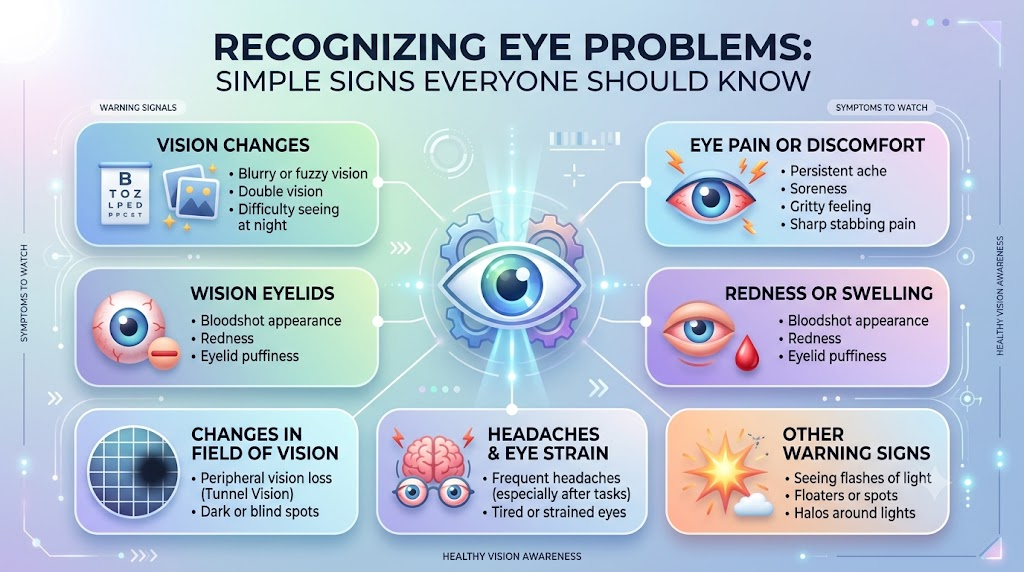
Noticing eye symptoms can help you seek care. Some symptoms may stay mild for a short time. Other changes may need an eye doctor’s attention. Common signs include blurry vision and red eyes. You may also notice itching, watering, or eye pain. Light sensitivity can also happen with some eye problems. One symptom can have many possible causes. So, do not self-diagnose from symptoms alone. A trained eye specialist can check your eyes properly.
Common Eye Conditions People May Experience
Dry Eyes
Dry eyes happen when the eyes lack enough moisture. They may feel dry, burning, or irritated. Some people also notice watery eyes. Long screen use may affect eye comfort. Dry air can also make symptoms worse. People may blink less while looking at screens. Taking short breaks may help eye comfort. Lasting or worsening symptoms need professional advice. An eye doctor can check the possible cause.
Cataracts
A cataract makes the clear lens cloudy. This can make vision look blurry or cloudy. Colors may also seem less bright. Some people notice more trouble in bright light. Cataracts can develop slowly over time. Early changes may be hard to notice. An eye examination can check changes in vision. Your eye doctor can explain possible care options.
Glaucoma
Glaucoma affects the optic nerve inside the eye. This nerve sends visual signals to the brain. Some forms may develop without clear early symptoms. That makes regular eye checks important for many people. Eye pressure may also be checked during an exam. A doctor can decide which tests are needed. Symptoms alone cannot confirm glaucoma. Regular eye care can help find problems sooner.
Conjunctivitis and Pink Eye
Conjunctivitis is often called pink eye. It can cause red, watery, or irritated eyes. Some cases may also cause discharge. Infections and other causes can lead to these symptoms. Allergies may also cause similar eye changes. Symptoms alone may not show the exact cause. Avoid sharing towels when an eye infection is suspected. Seek professional advice if symptoms continue or worsen.
Eye Allergies
Eye allergies can cause itching and watering. The eyes may also look red or swollen. Dust, pollen, and other triggers may cause symptoms. Some people may have symptoms during certain seasons. Avoid rubbing your eyes when they feel itchy. Rubbing can make irritation worse. If symptoms keep returning, talk with an eye professional.
Refractive Errors
Refractive errors affect how clearly light enters the eye. They can make nearby or distant objects look unclear. Glasses or other care may help some people. An eye examination can check how well you see. Three common types are myopia, hyperopia, and astigmatism. Each one can affect vision in a different way.
Myopia
Myopia is also called short-sightedness. Nearby objects may look clear with myopia. Distant objects may look blurry. Children and adults can have myopia. An eye examination can check for vision changes. An eye professional can explain suitable options.
Hyperopia
Hyperopia is also called long-sightedness. Close objects may look less clear. Some people may also have eye strain. An eye examination can check whether hyperopia is present. Do not assume symptoms always mean this condition.
Astigmatism
Astigmatism can affect clear vision at different distances. Vision may look blurry or less sharp. Some people may also notice eye strain. An eye examination can check for this vision problem. Your eye specialist can explain the results clearly.
Eye Strain
Eye strain can happen after long visual tasks. Screens may make tired eyes more noticeable. Symptoms can include dryness and blurred vision. Headaches may also happen with eye strain. Taking regular breaks can support eye comfort. However, ongoing symptoms may need an eye check.
Dry Eyes and Eye Discomfort
Dry eyes can feel scratchy or uncomfortable. Some people feel burning or mild irritation. Others may notice extra watering. Screen use can reduce how often people blink. Dry rooms can also affect eye comfort. Try to give your eyes short rest breaks. Avoid rubbing your eyes when they feel irritated. If discomfort keeps coming back, seek professional advice.
Cataracts and Vision Changes
Cataracts can cause cloudy or blurry vision. They often develop slowly over time. You may notice changes while reading or driving. Bright lights may also feel different. These changes can have other causes too. So, do not assume a cataract is present. An eye examination can help assess vision changes. Your eye doctor can explain what the exam shows.
Glaucoma and Quiet Vision Changes
Some forms of glaucoma may have few early signs. This is one reason eye checks can matter. A person may not notice changes at first. Regular checks can help an eye professional look for problems. Your age and health can affect your care needs. Ask an eye doctor how often you need checks. Do not wait for symptoms to appear.
Red, Itchy, or Watery Eyes
Red eyes can have many causes. Allergies can cause itching and watering. Dryness can also cause irritation and redness. An infection may cause redness and discharge. Eye strain can also make eyes feel tired. Symptoms alone cannot show the exact cause. If symptoms persist or worsen, seek professional advice.
Blurry Vision and Refractive Errors
Blurry vision is a common eye symptom. It can happen for many different reasons. Myopia can affect distant vision. Hyperopia can affect close vision. Astigmatism can make vision less sharp. An eye examination can check for vision problems. Never assume blurry vision has one simple cause.
Eye Strain and Screen Use
Long screen use can make eyes feel tired. You may notice dryness or mild blurred vision. Headaches can also happen with eye strain. Try taking short breaks from close screen work. Blink often when looking at a screen. Keep your screen at a comfortable distance. These habits support comfort but cannot prevent every eye condition.
Eye Conditions in Children
Children may not always explain vision problems clearly. Parents can watch for changes in daily habits. A child may squint to see better. They may sit very close to a screen. Frequent eye rubbing can also be a sign. Trouble reading the board may also need attention. Ongoing concerns should be discussed with an eye professional.
Eye Conditions in Older Adults
Vision can change as people get older. Some age-related eye conditions develop slowly. Cataracts are one common example. Other eye problems may also become more common. Regular eye checks can help monitor eye health. Tell your eye doctor about new vision changes. Good eye care remains important at every age.
When Should You See an Eye Doctor?
Some eye symptoms need professional attention. Sudden vision changes should not be ignored. Sudden loss of vision needs urgent medical care. Severe eye pain also needs prompt attention. New flashes or many new floaters need assessment. A serious eye injury needs urgent professional care. Sudden major changes can have serious causes. Do not wait if symptoms are severe or sudden.
How Are Common Eye Conditions Checked?
An eye examination can check many parts of eye health. Vision testing checks how clearly you can see. Some visits may include an eye pressure check. The doctor may also check the eye’s health. Other tests may be needed in some cases. The tests depend on your symptoms and needs. Your eye specialist will explain what each test means.
How Can You Prepare for an Eye Appointment?
Write down your eye symptoms before your visit. Note when the symptoms first started. Also note if they come and go. Share information about past eye problems. Tell your doctor about medicines you use. Bring questions that you want answered. This can make the visit more useful. Clear information can help your doctor understand your concerns.
Eye Care Habits That Support Healthy Eyes
Simple habits can support everyday eye health. Take breaks during long screen sessions. Wear suitable eye protection when needed. Keep contact lenses clean and use them safely. Avoid rubbing your eyes when possible. Get regular eye checks when advised. Good general health also supports overall eye health. Enough rest can help your eyes feel comfortable. These habits cannot prevent every eye disease.
Common Mistakes People Make With Eye Symptoms
Ignoring lasting eye symptoms can delay needed care. Some people also use another person’s eye drops. This may be unsafe and should be avoided. Self-diagnosing online can also lead to wrong ideas. Waiting after sudden vision changes can be risky. Skipping eye examinations may miss hidden problems. Never stop prescribed treatment without medical advice. Ask an eye professional when you are unsure.
Common Eye Conditions at a Glance
| Eye Condition | Common Signs | Why an Eye Check May Help |
|---|---|---|
| Dry eyes | Dryness, burning, watering | Checks possible causes |
| Cataracts | Cloudy or blurry vision | Checks lens changes |
| Glaucoma | May have few early signs | Checks eye health and pressure |
| Pink eye | Redness, watering, irritation | Helps find the cause |
| Eye allergies | Itching, redness, watering | Checks repeated symptoms |
| Refractive errors | Blurry vision | Checks vision clarity |
Can Online Health Support Help With Eye Questions?
Online doctor consultation can help with general eye questions. It may help you understand symptoms and prepare questions. It can also help you think about next steps. However, online care has clear limits. Some eye problems need an in-person examination. A doctor may need to see the eye directly. Sudden vision loss needs urgent medical care. Severe pain or serious injury also needs urgent care. Do not use online advice for emergency symptoms alone. ASKDOCTORLIVE.COM can support general health discussions and questions.
How ASKDOCTORLIVE.COM Can Help
ASKDOCTORLIVE.COM can help people seek general medical guidance. Online doctor consultation can help explain health concerns. It can also help people prepare for a doctor visit. Readers can ask questions about eye health symptoms. They can learn when professional eye care may be needed. However, online guidance cannot replace every eye examination. Some symptoms need an eye specialist in person. Always seek urgent care for sudden or severe symptoms.
Practical Example
Here is a simple general example. A person notices blurry vision after long screen use. They also notice tired and dry eyes. They do not assume they have a specific condition. Instead, they note when the symptoms happen. They reduce long screen sessions and watch the symptoms. If the problem continues, they contact an eye professional. If vision changes suddenly, they seek urgent care. This example shows a safe way to respond. It does not represent a personal diagnosis or result.
Frequently Asked Questions About Common Eye Conditions
1. What are the most common eye conditions?
Common conditions include dry eyes, cataracts, and glaucoma. Pink eye and allergies are also common. Refractive errors can also affect clear vision.
2. What are common signs of an eye problem?
Common signs include blurry vision and redness. Itching, watering, dryness, and pain can also occur. Symptoms can have many different causes.
3. Can dry eyes cause blurry vision?
Dry eyes may sometimes cause temporary blurry vision. Other conditions can also cause blurry vision. An eye examination can help find the cause.
4. What can cause red or itchy eyes?
Allergies, dryness, irritation, and infections can cause these symptoms. Symptoms alone cannot show the exact cause. Persistent symptoms should be checked by a professional.
5. How can cataracts affect vision?
Cataracts can make vision cloudy or blurry. Colors may also look less bright. An eye examination can check for lens changes.
6. Can glaucoma have no early symptoms?
Some forms of glaucoma may have few early signs. Regular eye checks can help monitor eye health. Ask an eye doctor about suitable eye screening.
7. When should I see an eye doctor?
See an eye doctor for lasting or changing symptoms. Sudden vision loss needs urgent medical care. Severe pain or serious injury also needs prompt care.
8. How often should I get an eye examination?
The right timing depends on your age and eye health. Your eye doctor can suggest a suitable schedule. Some people may need checks more often.
9. Can an online doctor consultation help with eye symptoms?
Online consultation can help with general questions. It may help you understand what care may be needed. Some symptoms still need an in-person eye examination.
10. What should I do if my vision changes suddenly?
Sudden vision changes need urgent professional attention. Sudden vision loss is an emergency. Do not rely only on online advice in this situation.
Final Thoughts
Recognizing common eye conditions starts with noticing changes. Eye symptoms can have many different causes. So, avoid making your own diagnosis. Regular eye care can help protect your vision. Eye examinations can also find some problems early. Seek professional help for lasting or concerning symptoms. Get urgent care for sudden or severe changes. ASKDOCTORLIVE.COM can also help with general medical questions. Use online guidance as support, not as a replacement for needed eye care.