Introduction
Living with a long-term health condition can often feel like a full-time job. From tracking daily symptoms and medication schedules to managing frequent hospital visits, the journey of a chronic illness patient is demanding. As the number of individuals managing conditions like diabetes, hypertension, and heart disease continues to rise globally, the traditional healthcare model is evolving to meet these growing needs.The challenge for many is maintaining continuity of care while balancing the demands of work, family, and personal life. Frequent travel to clinics, long waiting rooms, and the difficulty of securing last-minute appointments with specialists can add unnecessary stress to an already complex health journey. This is where digital healthcare services are proving to be a game-changer.By integrating technology into your health routine, you can ensure that you stay on top of your medical requirements without the constant logistical hurdles. If you are looking for reliable, accessible, and professional support, AskDoctorLive offers a streamlined approach to healthcare, providing the virtual consultation and telemedicine support necessary to help you navigate your health journey with greater ease and confidence.
What Are Chronic Illnesses?
A chronic illness is broadly defined as a health condition that lasts for a year or more and requires ongoing medical attention, limits activities of daily living, or both. Unlike acute conditions—such as a common cold or a broken bone that resolves relatively quickly—chronic diseases are persistent.
Common examples include:
- Diabetes: Requiring consistent blood sugar monitoring and insulin or medication management.
- Hypertension (High Blood Pressure): Needing long-term monitoring to prevent cardiovascular complications.
- Asthma: Demanding regular oversight to control breathing and prevent severe attacks.
- Arthritis: Requiring management to reduce pain, inflammation, and improve mobility.
- Heart Disease: Necessitating lifestyle adjustments and regular check-ups to maintain heart health.
While many of these conditions cannot be “cured” in the traditional sense, they can be managed effectively. Through consistent medical oversight, medication adherence, and healthy lifestyle changes, individuals can lead full, active lives.
Challenges Faced by Chronic Illness Patients
Managing a chronic condition often involves navigating several hurdles that can impact a patient’s overall well-being:
- Frequent Doctor Visits: Traveling to a clinic multiple times a month for routine check-ups can be physically exhausting and time-consuming.
- Medication Management: Keeping track of prescriptions, dosages, and refill schedules requires immense organizational effort.
- Lifestyle Adjustments: Constant vigilance regarding diet, physical activity, and stress management is essential but can be overwhelming.
- Emotional Strain: The persistent nature of a health condition can lead to anxiety, fatigue, and feelings of isolation.
- Financial Burden: The cumulative cost of consultations, diagnostic tests, and medications can weigh heavily on families.
- Accessibility Issues: Patients in remote or rural areas often struggle to find specialists, leading to delays in getting expert medical advice.
Why Telemedicine Matters for Chronic Disease Care
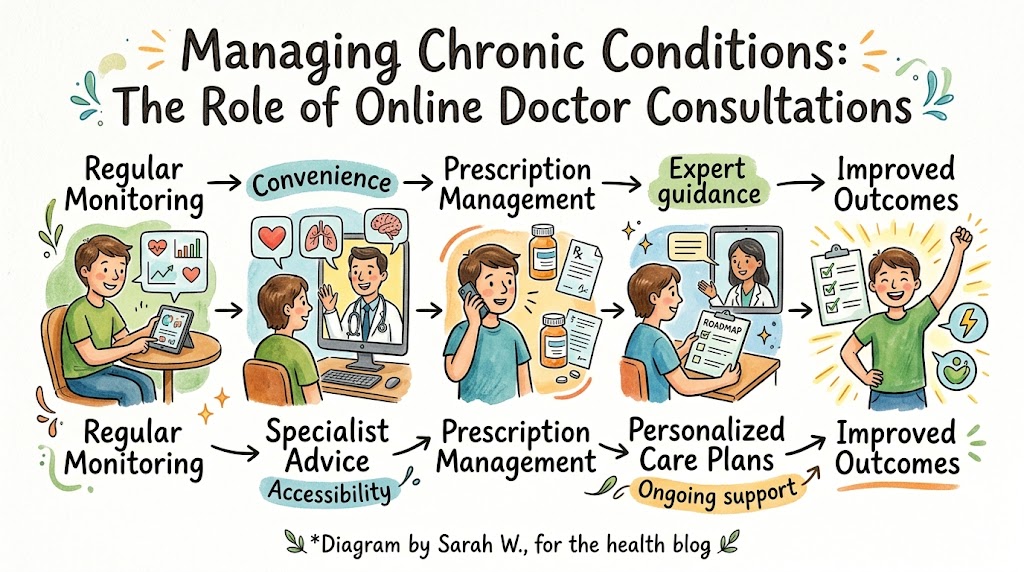
Telemedicine has revolutionized how we think about long-term disease management. It removes geographical barriers and brings the doctor to the patient, rather than the other way around.
The core advantages include:
- Convenience: Consult with your physician from the comfort and safety of your own home.
- Reduced Travel Stress: Eliminate the need for long commutes and time spent in crowded waiting rooms, which is especially beneficial for elderly or mobility-impaired patients.
- Continuity of Care: Regular, shorter check-ins allow for better tracking of progress, ensuring that any changes in your health are addressed immediately.
- Improved Accessibility: Telemedicine platforms ensure that specialist advice is available even to those living in areas where medical facilities are scarce.
How AskDoctorLive Supports Chronic Illness Patients
AskDoctorLive serves as a vital bridge between patients and healthcare professionals. By providing an integrated online doctor consultation system, the platform makes it easier to stay consistent with your treatment plan.
Patients can use the platform for:
- Routine Follow-ups: Easily schedule appointments to discuss test results or medication adjustments.
- Immediate Guidance: If you experience a minor symptom or have a concern about your treatment, you can connect with a medical expert without delay.
- Simplified Communication: Digital platforms allow for a clearer record of your health history, making it easier for doctors to track your progress over time.
- Care for Elderly Parents: Families can coordinate care and sit in on virtual consultations to ensure their loved ones are receiving the best possible medical advice.
Benefits of Online Medical Consultations
The shift toward virtual healthcare offers tangible benefits for those managing long-term health issues:
- Time Efficiency: By cutting out travel, you gain back hours that can be spent resting or with family.
- Faster Response Times: Getting an answer to a health query is often much faster via a digital platform than waiting for the next available in-person appointment.
- Reduced Exposure: Especially for those with compromised immune systems, avoiding crowded hospital waiting rooms reduces the risk of catching seasonal infections.
- Collaborative Care: It is easier to involve caregivers or family members in the conversation during a virtual session, ensuring everyone is on the same page regarding your health plan.
Technology Behind Modern Telemedicine Platforms
Modern platforms rely on a robust digital infrastructure to ensure care is both safe and effective:
- Secure Video Consultations: High-quality video ensures that doctors can observe physical symptoms while discussing your progress.
- Digital Health Records: Keeping your medical history, prescriptions, and test results organized in one place allows for a more personalized care approach.
- Online Appointment Management: Intuitive booking systems ensure that patients don’t miss their check-ups.
- Remote Communication Tools: Secure messaging and notification systems help keep patients informed about their medication and upcoming visits.
Common Chronic Illnesses Managed Through Online Consultation
- Diabetes Management: Doctors can review your self-monitored blood glucose logs and adjust medication or diet advice accordingly.
- Blood Pressure Monitoring: Regular digital check-ins help ensure your blood pressure stays within a healthy range to prevent strokes or heart issues.
- Asthma Care: Virtual consultations help monitor trigger factors and ensure inhaler techniques and medication plans remain effective.
- Arthritis Support: Professionals can provide guidance on pain management, physical therapy exercises, and anti-inflammatory support.
- Heart Disease Follow-ups: Post-treatment or post-surgical monitoring is made safer and easier with regular virtual reviews.
- Thyroid Disorder Management: Regular hormone level reviews and medication dosage adjustments are handled efficiently through telehealth.
Lifestyle Management for Chronic Disease Patients
While medical advice is crucial, the “day-to-day” is defined by your choices.
- Nutrition: Adopting a balanced diet tailored to your condition is the first line of defense.
- Physical Activity: Regular, doctor-approved exercise helps manage everything from weight to mood.
- Medication Adherence: Use alarms or digital tools to ensure you never miss a dose, as consistency is key to management.
- Sleep Quality: Quality rest is essential for the body to repair and maintain its systems.
- Stress Management: Incorporate mindfulness or relaxation techniques to lower stress, which can often exacerbate chronic symptoms.
Common Mistakes Patients Make
Even with the best intentions, it is easy to fall into certain habits:
- Ignoring Early Warning Signs: Small symptoms are often the body’s way of asking for help; never wait until a crisis to seek advice.
- Skipping Consultations: Even if you feel “fine,” regular check-ups are necessary to keep the condition under control.
- Self-Medicating: Changing dosages or taking supplements without professional consultation can have dangerous interactions.
- Neglecting Lifestyle Changes: Medication cannot replace the long-term benefits of a healthy, active lifestyle.
- Delaying Professional Input: If you feel stuck, reach out to a specialist immediately rather than waiting.
Risks and Realistic Expectations
It is important to understand the role of telemedicine in your care:
- Emergency Care: Telemedicine is not a substitute for emergency services. In cases of severe chest pain, extreme shortness of breath, or trauma, please visit an emergency department immediately.
- Physical Exams: Some conditions do require a hands-on physical examination. Virtual consultations should be viewed as a powerful tool that complements—not always replaces—in-person care.
- Continuous Monitoring: Telemedicine provides the best results when paired with consistent data tracking from the patient.
- Outcomes: Medical outcomes are influenced by a variety of factors, including genetics and lifestyle, which require your proactive participation.
Benefits of Choosing Trusted Healthcare Platforms
When you choose a professional platform like AskDoctorLive, you gain:
- Expertise: Access to a network of qualified, licensed medical professionals.
- Standardization: Reliable protocols that ensure every consultation meets high medical standards.
- Convenience: A platform designed with the patient experience in mind, minimizing technical stress.
- Support: Long-term patient engagement that fosters a real connection between you and your healthcare provider.
Real-World Healthcare Use Cases
- The Busy Professional: A person managing diabetes while working long hours can use a lunch break for a quick virtual consultation to review blood sugar trends.
- The Elderly Patient: A senior with mobility issues can consult with their doctor from their living room, supported by their children who can attend the virtual meeting.
- Rural Families: A family living far from a major city can access top-tier specialist advice for asthma or heart management without traveling for hours.
- Care Coordination: A caregiver can manage a parent’s medications and consultations through a unified digital platform, ensuring nothing is missed.
Future of Digital Healthcare and Chronic Disease Management
The landscape of healthcare is shifting toward a more personalized, data-driven model. We are moving toward a future where:
- Wearable Tech: Smart devices will automatically sync your health data with your doctor’s dashboard.
- Proactive Monitoring: AI-driven tools will alert doctors to potential health issues before they escalate.
- Integrated Ecosystems: All your health providers, pharmacists, and support services will work within a single, seamless digital system.
FAQs
- What is a chronic illness?
It is a health condition that persists over time and requires ongoing medical management. - Can online doctors help manage chronic diseases?
Yes, they are highly effective at monitoring symptoms, adjusting medications, and providing lifestyle advice. - Is telemedicine safe for long-term healthcare?
When using a trusted platform, it is a secure and highly effective way to manage ongoing health needs. - Can online consultations replace hospital visits?
They can replace many routine check-ups but do not replace the need for emergency care or complex physical procedures. - How often should chronic patients consult doctors?
This depends on the condition and doctor’s advice, but virtual platforms make it easier to meet more frequently if needed. - Is AskDoctorLive useful for elderly patients?
Yes, it is designed to be user-friendly, reducing the physical burden of travel. - Do I need special equipment? Only a smartphone or computer with a camera and a stable internet connection.
- Is my data secure?
Trusted platforms use encryption to ensure your medical records remain private and protected. - Can I get prescriptions online?
In many cases, yes, based on the doctor’s assessment during the consultation. - What if my condition gets worse?
You should contact the doctor immediately, and if it is an emergency, seek urgent in-person care. - Can I use this for specialist care?
Yes, telemedicine is increasingly being used for follow-ups with specialists. - Are the doctors certified?
Platforms like AskDoctorLive work with qualified and vetted medical professionals. - What is the best part about virtual care?
The convenience and the ability to maintain consistency in your healthcare routine. - How do I start?
You can register on the platform and book an appointment in just a few clicks. - Does this work for mental health associated with chronic illness?
Yes, many platforms offer support for the emotional aspects of managing a long-term condition.
Final Thoughts
Managing a chronic illness is a marathon, not a sprint. It requires patience, consistency, and, most importantly, the right support system. You do not have to navigate this journey alone. With the advancements in digital healthcare, professional advice is now more accessible than ever before. By making consistent medical consultations a regular part of your routine, you can take control of your health and focus on living a full and meaningful life. Remember, small, consistent steps in your health management today lead to better outcomes tomorrow.