Introduction
Imagine trying to take a deep, satisfying breath, but feeling as though your chest is tied with a tight, invisible cord. For millions of people, this is not just an occasional discomfort; it is the daily reality of living with undiagnosed or poorly managed asthma. Breathing should be effortless, yet when asthma symptoms begin to manifest, they can turn simple activities like walking, laughing, or sleeping into significant challenges.
Many people dismiss early warning signs, attributing them to “just a cold” or getting out of shape. However, asthma is a chronic respiratory condition that requires active management. Recognizing these signs early is the most powerful tool you have to prevent the condition from dictating your quality of life. By catching these indicators in their infancy, you can take control of your health and breathe freely once again.
In this comprehensive guide, we will explore how to identify the subtle cues your body sends, the common triggers that lead to flare-ups, and the effective strategies available to keep your lungs healthy. Whether you are concerned about your own breathing or that of a loved one, finding reliable information is the first step toward relief. For personalized advice and guidance on respiratory health, you can connect with experts through AskDoctorLive to start your journey toward better breathing.
Quick Answer
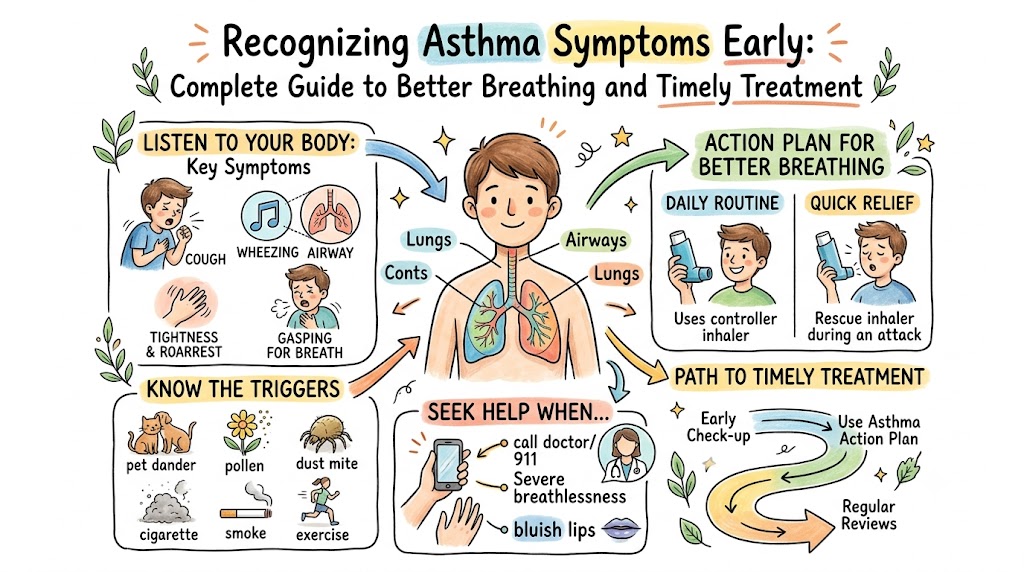
Early asthma symptoms often include a persistent, dry cough—especially at night or during exercise—intermittent wheezing, a feeling of chest tightness, and unusual shortness of breath. Recognizing these signs early is crucial because timely diagnosis allows for effective management, prevents severe asthma attacks, and protects your long-term lung function. By identifying triggers and starting appropriate treatment early, patients can lead active, symptom-free lives and avoid the complications of chronic airway inflammation.
Understanding Asthma
What Is Asthma?
Asthma is a chronic inflammatory condition of the airways. When you have asthma, your bronchial tubes—the pathways that carry air into and out of your lungs—become hypersensitive. This sensitivity means they react strongly to various environmental factors, causing the muscles around them to tighten and the linings to swell.
How Asthma Affects the Airways
Beyond inflammation, asthma often involves the production of extra mucus. This combination of constricted muscles, swollen lining, and thick mucus narrows the airways significantly. As a result, the air you breathe has to force its way through a restricted passage, which creates the classic symptoms of wheezing and labored breathing.
Why Asthma Develops
The exact cause of asthma is complex and likely involves a combination of genetic and environmental factors. Some people are born with a predisposition to airway sensitivity, while others develop it after exposure to specific environmental triggers or respiratory infections during key developmental stages.
Common Types of Asthma
Asthma is not a one-size-fits-all condition. It manifests in various forms, including allergic asthma (triggered by allergens like pollen), exercise-induced asthma, and occupational asthma, which is caused by irritants in the workplace. Understanding your specific type is essential for effective treatment.
Importance of Early Detection
Early detection is the cornerstone of successful respiratory health. When asthma is caught early, doctors can minimize the frequency of inflammation. This prevents “airway remodeling,” a process where the lungs undergo permanent structural changes due to long-term, unmanaged swelling, ensuring your lungs stay healthy for years to come.
Early Signs and Symptoms of Asthma
Frequent Coughing
A dry, hacking cough is often one of the first signs of asthma. If you find yourself coughing more often than usual, especially at night or when you laugh, it might be the airways trying to clear themselves of perceived irritants.
Wheezing
Wheezing is a whistling sound produced during breathing. It occurs when air is pushed through narrowed, inflamed airways. It is not always loud; sometimes it is only detectable with a stethoscope, making it a subtle sign you shouldn’t ignore.
Shortness of Breath
If you feel like you cannot catch your breath, even after minimal physical exertion, this is a red flag. Healthy lungs should recover quickly after light activity; if you find yourself struggling, your airways may be responding to hidden inflammation.
Chest Tightness
Many patients describe a sensation of pressure or heaviness in the chest, almost as if someone is sitting on it. This tightness often precedes an asthma flare-up and is a physical manifestation of the bronchial muscles constricting.
Difficulty Exercising
Do you feel significantly more winded than others during physical activity? While fitness levels vary, consistent, unusual respiratory distress during sports or cardio exercises is a common indicator of exercise-induced asthma.
Nighttime Symptoms
Asthma symptoms often worsen while sleeping. If you frequently wake up coughing or gasping for air, it is a clear sign that your breathing is being compromised. Nocturnal symptoms are often a sign that your asthma is not well-controlled.
Recurrent Respiratory Infections
If you seem to get a “cold” that lasts for weeks or leads to bronchitis repeatedly, it may not be a standard infection. Instead, it could be your asthma being triggered by the initial viral infection, making it difficult for your lungs to heal.
Common Asthma Triggers
Allergens
For many, asthma is driven by the immune system’s overreaction to pollen, dust mites, pet dander, or mold. When these particles are inhaled, the lungs react immediately, leading to tightening and inflammation.
Air Pollution
Poor air quality, including smog, traffic exhaust, and ozone levels, serves as a major irritant. In sensitive individuals, high pollution days can trigger an immediate shift in respiratory comfort.
Respiratory Infections
Viruses like the common cold, flu, or sinus infections are among the most frequent asthma triggers. Because these infections naturally target the respiratory system, they often cause a temporary, but significant, increase in asthma symptoms.
Exercise-Induced Triggers
Physical activity—especially in cold or dry air—can cause the airways to narrow rapidly. While exercise is healthy, for those with asthma, it requires specific management strategies like warming up or using preventive medication.
Weather Changes
Sudden shifts in weather, such as a drop in temperature or high humidity, can cause the airways to spasm. Cold air, in particular, is a very common trigger for many people, often leading to immediate coughing or wheezing.
Smoke Exposure
Tobacco smoke, wildfire smoke, and even wood-burning stove emissions are highly irritating to the bronchial lining. Even second-hand smoke can cause significant inflammation and trigger an asthma flare-up.
Stress and Emotional Factors
Strong emotions can trigger physical changes in the body. Crying, shouting, or intense stress can alter your breathing pattern and cause the muscles around your airways to tense, potentially triggering asthma symptoms.
Who Is at Risk for Asthma?
Children
Asthma is the most common chronic illness in children. Because their airways are smaller and still developing, children are particularly susceptible to respiratory triggers. Early diagnosis in children is vital for their normal growth and activity levels.
Adults
Asthma is often thought of as a childhood disease, but it can appear at any age. Many adults experience “adult-onset asthma,” often triggered by workplace exposures, severe respiratory infections, or a change in sensitivity to allergens.
Family History
Genetics play a significant role. If one or both of your parents have asthma or allergies, your risk of developing the condition is significantly higher. Knowing your family history can help you stay alert to early signs.
People with Allergies
There is a very strong link between allergies and asthma. People who suffer from eczema, hay fever (allergic rhinitis), or food allergies are at a higher risk of developing asthma, as their immune systems are already primed to overreact.
Occupational Exposure Risks
Certain professions, such as those involving exposure to chemicals, dust, or vapors (like construction, manufacturing, or farming), carry a high risk of developing occupational asthma. Symptoms in these cases often improve on days off.
Environmental Factors
Living in areas with high air pollution, high levels of humidity, or urban environments with poor ventilation can increase your baseline risk for developing asthma over time.
Why Early Recognition Matters
Preventing Severe Asthma Attacks
The most immediate benefit of early recognition is the ability to stop an attack before it becomes a medical emergency. By acting on the first sign of tightness or coughing, you can often reverse the trend before the airways fully constrict.
Improving Quality of Life
When asthma is well-managed, it should not limit your lifestyle. Early intervention allows you to continue working, playing sports, and sleeping soundly, ensuring that the condition is a minor part of your life rather than a central focus.
Reducing Emergency Visits
Every emergency room visit for asthma is a sign that the condition was not managed properly at home. Early detection allows you to work with a doctor to find the right daily control medication, reducing the need for urgent care.
Better Long-Term Lung Health
Chronic, unmanaged inflammation damages the lungs over time. By keeping inflammation low from the start, you protect your lung tissue, ensuring that your respiratory capacity remains as strong as possible into older age.
Earlier Treatment and Management
Early diagnosis allows for a personalized Asthma Action Plan. This roadmap, created with your healthcare provider, tells you exactly what medications to take and when, giving you confidence and control.
Comparison Table: Early Asthma Symptoms vs Other Common Respiratory Conditions
| Feature | Early Asthma | Common Cold | Seasonal Allergies |
| Primary Symptom | Dry cough / Wheezing | Runny nose / Sore throat | Sneezing / Itchy eyes |
| Timing | Chronic/Episodic | Lasts 7–10 days | Seasonal/Consistent |
| Breathing | Tightness/Shortness | Generally normal | Normal |
| Triggers | Exercise/Cold Air | Viruses | Pollen/Dander |
| Response | Relief with inhaler | Rest/Fluids | Antihistamines |
Comparison Table: Common Asthma Triggers and Prevention Strategies
| Trigger | Prevention Strategy |
| Allergens | Use allergen-proof bedding; HEPA air purifiers. |
| Cold Air | Wear a scarf over your mouth and nose in winter. |
| Exercise | Warm up thoroughly; consult doctor for pre-workout dose. |
| Smoke | Avoid all smoke exposure; ensure home is smoke-free. |
| Stress | Practice mindfulness and deep-breathing techniques. |
Diagnosing Asthma
Medical History Review
Your doctor will start by asking about your family history, your living environment, and the specific patterns of your breathing problems. Be prepared to share how often you cough and what situations seem to make it worse.
Physical Examination
During the exam, the doctor will listen to your lungs with a stethoscope to check for wheezing or other abnormal sounds. They may also look for signs of allergies, such as inflamed nasal passages or skin rashes.
Lung Function Tests
These tests are the “gold standard” for diagnosis. A spirometry test measures how much air you can inhale and exhale and how quickly you can empty your lungs. It provides objective data on how well your airways are performing.
Peak Flow Monitoring
This is a simple, handheld test that measures how hard you can exhale. You can do this at home to track your lung function over time, which helps your doctor see if your asthma is under control or needs adjustment.
Allergy Testing
Since allergies are a major trigger, your doctor may suggest skin or blood tests to identify what environmental factors, like pollen or dust, might be contributing to your airway inflammation.
Additional Diagnostic Evaluations
In some cases, your doctor might order a chest X-ray to rule out other lung issues or a methacholine challenge test, which safely provokes a mild airway response to confirm an asthma diagnosis.
Managing Asthma Effectively
Understanding Asthma Action Plans
An Asthma Action Plan is a written document that outlines your daily medications, how to identify when symptoms are worsening, and exactly what steps to take during a flare-up. It is your primary tool for home management.
Avoiding Triggers
The best way to treat asthma is to avoid the things that start the inflammation. If you know that cats trigger your wheezing, minimizing exposure is just as important as taking your daily medication.
Medication Management
Asthma medications generally fall into two categories: “controllers,” which you take daily to keep inflammation down, and “relievers” (rescue inhalers), which you use to quickly open airways during an attack. Consistency with controllers is key.
Monitoring Symptoms
Keep a simple journal or use an app to track your symptoms. Note when you cough, what you were doing, and if your rescue inhaler helped. This data is invaluable during your follow-up appointments.
Lifestyle Modifications
Maintaining a healthy weight, exercising regularly (once your asthma is under control), and practicing stress-reduction techniques all contribute to lower baseline inflammation and better overall lung health.
Importance of Follow-Up Care
Asthma is a dynamic condition. Your needs may change based on your age, environment, or health status. Regular checkups ensure that your medication doses are optimized and that your Asthma Action Plan is still effective.
Asthma in Children
Early Warning Signs
In children, asthma may present as a persistent cough after play, a feeling of being tired during activities, or breathing that seems faster than normal. Sometimes, the child may simply complain of a “tummy ache” or “chest hurt.”
School and Activity Considerations
It is vital to communicate with teachers and coaches about your child’s asthma. Ensure they have a copy of the Asthma Action Plan and know how to recognize if your child is struggling.
Managing Childhood Asthma
Children often need extra support with inhaler technique. Using a “spacer”—a device that helps the medication reach the lungs more effectively—is standard practice for kids to ensure they get the correct dose.
Supporting Healthy Development
Don’t let asthma keep a child on the sidelines. With the right management, children with asthma can participate in all the same activities as their peers, including competitive sports and outdoor play.
Asthma in Adults
Symptoms Often Overlooked
Adults often downplay their symptoms because they are busy or feel they “should” be able to handle it. A cough that lingers after a cold or persistent shortness of breath during a workout should always be evaluated.
Workplace Considerations
If you suspect your workplace is a trigger, pay attention to whether your breathing improves on weekends or during vacations. Documenting these patterns can help your doctor diagnose work-related asthma.
Exercise and Physical Activity
Adults with asthma should remain active. If exercise triggers your symptoms, talk to your doctor about a warm-up strategy or pre-exercise medication that allows you to train without discomfort.
Long-Term Asthma Control
The goal for adults is to have zero or near-zero symptoms. If you find yourself using your rescue inhaler more than twice a week, your controller medication needs to be adjusted.
Preventing Asthma Complications
Identifying Worsening Symptoms
Learn the signs of a serious flare-up: your rescue inhaler isn’t working as well as it used to, you are waking up at night, or you are having trouble finishing a sentence due to shortness of breath.
Preventing Severe Attacks
The best way to prevent a severe attack is to never skip your daily maintenance medication. Even if you feel perfectly healthy, the controller medicine is what keeps your airway inflammation from creeping back up.
Managing Coexisting Conditions
Conditions like acid reflux (GERD), sleep apnea, and sinusitis can make asthma much harder to control. Treat these conditions alongside your asthma to ensure the best possible results.
Importance of Regular Checkups
Your lungs change over time. Routine spirometry tests at your doctor’s office ensure that your treatment plan is still appropriate for the current state of your lung function.
When to Seek Medical Attention
Persistent Breathing Problems
If you are using your rescue inhaler regularly, or if you feel breathless even when you are sitting still, it is time to schedule a professional evaluation immediately.
Frequent Wheezing Episodes
Wheezing is a sign of obstruction. Even if it goes away on its own, frequent episodes indicate that your airways are under constant stress and require a change in your management plan.
Severe Shortness of Breath
If you feel like you are struggling to get air into your lungs, do not wait. This is a medical situation that requires immediate assessment by a healthcare professional.
Symptoms Not Responding to Treatment
If you use your rescue inhaler and your symptoms do not improve within 15–20 minutes, seek emergency medical care. You may need stronger, immediate anti-inflammatory treatment.
Emergency Warning Signs
Seek emergency care if you have blue-tinted lips or fingernails, if you are unable to speak in full sentences, or if you feel confused or lightheaded. These are signs that your body is not getting enough oxygen.
Living Well With Asthma
Maintaining an Active Lifestyle
Asthma is no barrier to fitness. Many elite athletes live with asthma. The key is consistent management and understanding how to protect your airways before, during, and after exertion.
Healthy Nutrition
While there is no “asthma diet,” a diet rich in fruits, vegetables, and omega-3 fatty acids may help reduce systemic inflammation, which is beneficial for overall lung health.
Stress Management
Stress causes tension. By incorporating yoga, meditation, or simply taking time to unwind, you can lower your physiological response to stress and reduce the likelihood of it triggering your breathing symptoms.
Sleep and Respiratory Health
Quality sleep is essential for the immune system. If your breathing is keeping you up at night, it is a sign that your asthma needs better control. Don’t settle for restless nights.
Long-Term Symptom Control
With the right daily plan, you can reach a point where you rarely think about your asthma at all. That is the goal of modern treatment: to make the condition manageable and invisible in your daily life.
Future of Asthma Care
Digital Asthma Monitoring
New “smart” sensors that attach to your inhaler can track exactly how often you use your medication and provide data to your doctor via your smartphone, allowing for highly accurate treatment adjustments.
Smart Inhaler Technology
These devices not only deliver medication but also ensure that you are using the correct technique, providing real-time feedback to help you improve your inhaler usage every single time.
Personalized Treatment Approaches
We are moving toward “precision medicine,” where treatment is based on the specific type of inflammation present in your airways, ensuring you get the medication that is most effective for your unique physiology.
AI-Assisted Respiratory Care
Artificial intelligence is helping doctors predict asthma flare-ups by analyzing patterns in air quality, your personal symptom history, and even pollen counts, allowing you to take action before a symptom even appears.
Advances in Asthma Management
From long-acting biologic injections for severe asthma to new inhaled medications, the science of respiratory care is advancing rapidly, offering hope and relief to those who previously struggled with traditional treatments.
Key Takeaways
- Asthma is a chronic inflammatory condition, not just a temporary breathing issue.
- Early symptoms include dry cough, wheezing, chest tightness, and exercise-related breathlessness.
- Genetics, allergies, and environmental factors are major contributors to asthma risk.
- Early detection protects long-term lung function and prevents permanent structural changes.
- Asthma triggers can be managed through simple lifestyle and environmental changes.
- Lung function tests (spirometry) are essential for an accurate diagnosis.
- An Asthma Action Plan is the most important tool for effective home management.
- Children and adults require tailored approaches to monitoring and treatment.
- Rescue inhalers are for emergencies, while controller medications are for daily health.
- Always prioritize medical evaluation if symptoms change or worsen suddenly.
- Living well with asthma is entirely possible with proper, proactive care.
FAQ Section
1.Is a dry cough always a sign of asthma?
A dry cough is a common asthma symptom, but it can also be caused by acid reflux, post-nasal drip, or viral infections. If it is persistent or happens at night, see a doctor to rule out asthma.
2.Can asthma be cured?
Currently, there is no permanent cure for asthma, but it is highly treatable. Most people can achieve complete control of their symptoms, leading full lives without daily interference.
3.Should I stop exercising if I have asthma?
Absolutely not. Regular exercise is excellent for lung health. The goal is to manage your asthma so that you can exercise comfortably. Talk to your doctor about a safe exercise plan.
4.What should I do if my rescue inhaler isn’t working?
If you use your rescue inhaler and do not feel significant relief within 15–20 minutes, seek emergency medical care. You may need stronger, immediate treatment to open your airways.
5.How do I know if my child has asthma or just a cold?
Colds are usually accompanied by a runny nose, fever, and sore throat, and they resolve in a week or two. Asthma is characterized by a recurring cough, wheezing, and breathing issues that persist or return frequently.
6.Can pollution trigger an asthma attack even if I don’t have allergies?
Yes. Air pollutants like nitrogen dioxide and particulate matter irritate the airways directly, regardless of whether you have specific allergies, potentially causing asthma symptoms in anyone.
7.Why is an Asthma Action Plan important?
It provides a clear, step-by-step guide for what to do based on your symptoms. It takes the guesswork out of treatment and helps you recognize when you need to contact your doctor.
8.Are there any natural ways to help asthma symptoms?
While there is no substitute for medical treatment, maintaining a healthy weight, avoiding smoke, and managing stress can certainly support your overall respiratory health and reduce the frequency of triggers.
9.Can adult-onset asthma go away on its own?
It is less common for adult-onset asthma to disappear completely, but it can often be effectively managed to the point where you have no symptoms, provided you stay consistent with your treatment.
10.Is it safe to use a rescue inhaler every day?
If you find yourself needing your rescue inhaler more than twice a week, it is a sign that your asthma is not well-controlled. You should see your doctor to adjust your daily controller medication.
Conclusion
Recognizing the early signs of asthma is an empowering step toward taking control of your health. By paying attention to symptoms like a persistent cough, chest tightness, or unusual shortness of breath, you can work with your healthcare provider to stop the cycle of inflammation before it impacts your life. Remember, your goal is to breathe easily every day, and with a proactive Asthma Action Plan, that is a perfectly achievable reality.
Do not let respiratory concerns settle into your life as a new “normal.” With timely diagnosis and consistent management, you can keep your lungs strong and your lifestyle active. If you feel that your breathing could be better, don’t hesitate to reach out for professional guidance. You can find comprehensive resources and expert support at AskDoctorLive.com to help you on your path toward better respiratory health. You deserve to breathe clearly and live well.