Introduction
Managing diabetes effectively begins with a clear understanding of what is happening inside your body throughout the day. Your blood sugar levels are constantly shifting in response to the food you eat, your physical activity, stress levels, and even your sleep quality. Without consistent tracking, it is like trying to navigate a ship without a compass; you are moving forward, but you lack the data necessary to stay on the right course.Regular blood sugar monitoring is more than just a daily task—it is a powerful tool for prevention. By identifying patterns and trends in your glucose readings, you can proactively manage your health, make informed lifestyle adjustments, and significantly lower your risk of long-term complications. Tracking helps turn abstract health goals into concrete, actionable steps.In this guide, we will walk you through everything you need to know about effective glucose monitoring, from choosing the right tools to interpreting your data and working with your care team. If you are looking for personalized support or need to discuss your monitoring schedule with a professional, AskDoctorLive provides the resources and expertise to help you manage your diabetes with confidence. Let’s explore how you can take control of your numbers and improve your overall well-being.
Quick Answer
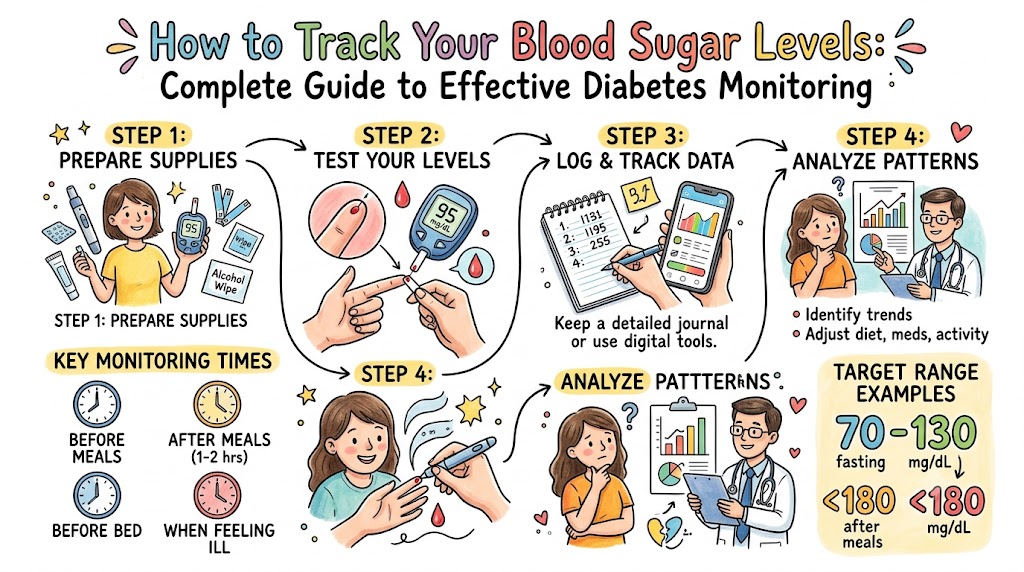
The most effective way to track blood sugar is by using a combination of consistent daily monitoring and logging. Whether you use a traditional glucometer for finger-stick tests or a Continuous Glucose Monitor (CGM) for real-time data, the key is accuracy and consistency. By recording your readings alongside your meals, activity, and medication, you gain a clear view of your glucose patterns. This data allows you to spot highs and lows, make necessary adjustments, and provide your healthcare team with the insights needed for personalized diabetes care.
Understanding Blood Sugar Levels
What Is Blood Sugar?
Blood sugar, or glucose, is the primary source of energy for your body’s cells. It comes from the food you eat and is carried through your bloodstream to fuel various bodily functions.
How the Body Regulates Glucose
Under normal conditions, your pancreas produces insulin, a hormone that acts like a key, allowing glucose to enter your cells. When this process is interrupted or inefficient, glucose builds up in the blood, leading to high readings.
Why Blood Sugar Monitoring Matters
Monitoring gives you a “snapshot” of your body’s response to your daily choices. It tells you if your treatment plan is working or if your body needs a different approach to maintain balance.
Difference Between Normal and Abnormal Blood Sugar Levels
“Normal” ranges are established by healthcare providers based on individual health profiles. Abnormal levels—either too high (hyperglycemia) or too low (hypoglycemia)—can cause immediate symptoms and long-term health risks.
Long-Term Benefits of Regular Monitoring
Consistent tracking helps keep your A1C levels in check. Over time, this stability protects your heart, nerves, kidneys, and eyes, ensuring that you can lead an active, healthy life.
Who Should Track Blood Sugar Levels?
People With Type 1 Diabetes
For those with Type 1 diabetes, regular monitoring is life-sustaining. It is required to calculate insulin doses and manage rapid shifts in glucose levels.
People With Type 2 Diabetes
Monitoring is essential for those on medication or insulin to gauge how well those treatments are managing blood glucose levels throughout the day.
Individuals With Prediabetes
Tracking can be a powerful motivator. By seeing how certain foods or activities affect your numbers, you can implement lifestyle changes that might prevent or delay the onset of Type 2 diabetes.
Pregnant Women With Gestational Diabetes
Strict glucose control is critical during pregnancy to ensure both the mother’s health and the baby’s development. Frequent monitoring is typically required.
High-Risk Individuals
If you have a strong family history of diabetes or other risk factors, occasional monitoring can help you catch early warning signs before they become problematic.
Why Tracking Blood Sugar Is Important
Identifying Patterns and Trends
Individual readings are useful, but groups of readings reveal the “why” behind your health. You might notice your levels are always high after a specific meal, signaling a need to adjust your diet.
Preventing High Blood Sugar Episodes
By catching a rising trend early, you can take steps—such as taking your medication, drinking water, or exercising—to prevent a dangerous spike.
Preventing Low Blood Sugar Episodes
Recognizing a downward trend allows you to consume a fast-acting carbohydrate, potentially avoiding a hypoglycemic event that could lead to dizziness or fainting.
Supporting Medication Adjustments
Your doctor relies on your logs to determine if your medication dosage is correct. Accurate data is the fastest way to get your treatment plan dialed in perfectly.
Improving Overall Health Outcomes
Data empowers you. When you understand your numbers, you feel more in control, which reduces the anxiety often associated with chronic condition management.
Common Methods for Tracking Blood Sugar
Using a Glucometer
This traditional method involves pricking your finger and placing a drop of blood on a test strip. It is reliable, widely available, and highly portable.
Continuous Glucose Monitoring (CGM)
A CGM uses a small sensor under the skin to provide real-time glucose readings every few minutes. It offers a much more detailed view of your fluctuations throughout the day and night.
Digital Health Apps
Modern apps allow you to log your readings, track your carb intake, and share reports directly with your doctor, taking the guesswork out of record-keeping.
Written Blood Sugar Logs
Never underestimate the power of a notebook. A simple pen-and-paper log is an excellent way to track your health if you prefer a non-digital approach.
Smart Diabetes Tracking Tools
Many modern glucometers now sync automatically with smartphones via Bluetooth, eliminating the need to manual log your data and reducing human error.
Comparison Table: Glucometer vs Continuous Glucose Monitor (CGM)
| Feature | Glucometer (Finger-Stick) | Continuous Glucose Monitor (CGM) |
| Data Frequency | Snapshot (at time of test) | Real-time (every 5–15 minutes) |
| Invasiveness | Requires finger pricks | Minimal (sensor under skin) |
| Trend Information | Limited | Excellent (trend arrows provided) |
| Cost | Generally lower | Higher, often requires insurance |
| Ease of Use | Simple, manual process | Automated tracking |
Comparison Table: Blood Sugar Reading Times and Their Purpose
| Testing Time | Purpose |
| Fasting (Morning) | Establishes your baseline glucose levels. |
| Before Meals | Helps determine the insulin needed for your meal. |
| 1-2 Hours After Meals | Shows how your body reacts to specific foods. |
| Before Bedtime | Ensures your levels are safe for the night. |
| Before/During Exercise | Helps prevent exercise-induced hypoglycemia. |
How to Check Blood Sugar Using a Glucometer
Preparing Testing Supplies
Before you begin, ensure you have your meter, a fresh test strip, a lancing device, and a new lancet. Check the expiration date on your strips.
Washing Hands Properly
Always wash your hands with warm, soapy water. Alcohol pads can sometimes leave residue that interferes with the reading. Dry your hands thoroughly.
Obtaining a Blood Sample
Use the lancing device on the side of your fingertip—it is less painful than the center. Gently squeeze the finger to get a small drop of blood.
Reading and Recording Results
Apply the blood to the test strip as directed by your device. Once the number appears, log it immediately in your notebook or app.
Avoiding Common Testing Mistakes
Do not reuse lancets, as they become dull and painful. Avoid testing if your hands are cold; warm them up first to ensure better circulation.
Understanding Continuous Glucose Monitoring (CGM)
How CGM Devices Work
A tiny wire sensor is inserted just beneath your skin. It measures the glucose level in your interstitial fluid (the fluid between cells), which tracks closely with your blood glucose.
Benefits of Real-Time Monitoring
You can see how your levels change minute-by-minute, helping you understand how walking, stress, or a specific meal impacts you almost instantly.
Understanding Trend Arrows
Most CGMs show an arrow indicating whether your glucose is rising, falling, or stable. This helps you act before a reading becomes too high or low.
Alerts and Notifications
You can set your device to beep or vibrate if your levels drop below or rise above your target range, providing peace of mind during the night.
When CGM May Be Helpful
CGMs are life-changing for anyone who experiences “hypoglycemia unawareness” (not feeling low blood sugar) or those who need tight control, such as during pregnancy.
Best Times to Check Blood Sugar
Fasting Blood Sugar
Typically done first thing in the morning before breakfast, this measurement shows how your body regulated sugar while you were asleep.
Before Meals
Checking before you eat helps you decide if you need to adjust your insulin or if you should make a different food choice based on your current level.
After Meals
Testing 1–2 hours after the start of a meal reveals how your body handles the carbohydrates you just consumed.
Before Bedtime
This is crucial for preventing nocturnal hypoglycemia. If your level is too low, you may need a small, carb-based snack.
Before and After Exercise
Exercise is great for lowering blood sugar, but it can sometimes cause a sudden drop. Checking beforehand allows you to refuel if necessary.
During Illness
Illness and infection cause the body to release stress hormones that raise blood sugar. Test more frequently when you aren’t feeling well.
When Symptoms Occur
If you feel shaky, dizzy, overly thirsty, or tired, test immediately. Do not wait for your scheduled testing time if you feel “off.”
Understanding Blood Sugar Readings
Normal Ranges
While everyone is different, a common target for most people is between 70–130 mg/dL before meals and less than 180 mg/dL two hours after meals. Always confirm your targets with your doctor.
High Blood Sugar (Hyperglycemia)
Levels above your target range indicate your body isn’t getting enough insulin or that you’ve eaten more carbohydrates than your body can process.
Low Blood Sugar (Hypoglycemia)
Levels below 70 mg/dL are generally considered low. This requires immediate attention, usually through the “15-15 rule”—eat 15 grams of carbs and wait 15 minutes to re-test.
Factors That Affect Readings
Beyond food, readings are affected by physical activity, illness, medication timing, stress, hydration, and even menstrual cycles.
When to Contact a Healthcare Provider
Call your doctor if you consistently see readings outside your target range, if you experience frequent lows, or if you feel unwell despite normal numbers.
How to Keep a Blood Sugar Log
Recording Dates and Times
Consistency is key. Log every reading, including the exact date and time, to help identify long-term patterns.
Tracking Meals
Note what you ate. Did you have a high-carb lunch? Did you skip a snack? This is vital for correlating food with your numbers.
Monitoring Physical Activity
Log your exercise. Did you take a brisk walk? Did you lift weights? Activity lowers blood glucose, and it’s important to see by how much.
Logging Medications
Note when you take your insulin or oral medications. This helps you see if your medication is peaking at the right time.
Identifying Patterns
Look back at your logs weekly. If you notice a high reading every Tuesday at 3 PM, check if that’s a day you have high stress or a specific, consistent meal.
Factors That Affect Blood Sugar Levels
Food Choices
Refined sugars and carbohydrates cause quick spikes, while fiber-rich foods, proteins, and healthy fats help stabilize blood sugar.
Exercise and Physical Activity
Movement makes your cells more sensitive to insulin, which can lower your blood sugar. It is a natural way to manage glucose.
Stress and Emotions
Stress hormones like cortisol can raise blood sugar. Finding ways to relax is just as important as watching what you eat.
Illness and Infection
When your body fights an infection, it releases glucose into the bloodstream to give you energy to heal, which can raise your levels.
Medications
Various drugs, not just diabetes medications, can affect blood sugar. Always discuss new medications with your doctor.
Sleep Quality
Poor sleep can lead to insulin resistance, making it harder to control your blood sugar the following day.
Hydration
Dehydration can cause blood sugar to become more concentrated. Drinking enough water helps your kidneys flush out excess sugar.
Common Blood Sugar Monitoring Mistakes
Testing at Inconsistent Times
If you test before breakfast one day and after lunch the next, you won’t be able to compare your data to see true trends.
Incorrect Use of Devices
Always follow the manufacturer’s instructions for your specific glucometer or CGM to ensure accuracy.
Ignoring Patterns
Logging numbers is useless if you don’t act on them. If you see high numbers, talk to your doctor about a potential treatment adjustment.
Not Recording Results
Even if the number is good, write it down! You need the data to show what a “good” day looks like for you.
Delaying Medical Advice
Don’t wait for your next check-up if you are having trouble keeping your numbers in range. Reach out to your healthcare team sooner.
Tips for Better Blood Sugar Control
Balanced Nutrition
Focus on whole foods, including vegetables, lean proteins, and complex carbohydrates. Portion control is a powerful tool.
Regular Exercise
Aim for consistency over intensity. A 30-minute walk after dinner can significantly improve your blood sugar levels.
Medication Adherence
Take your medications exactly as prescribed. Never skip a dose or change the timing without speaking to your doctor.
Stress Management
Incorporate mindfulness, deep breathing, or yoga into your daily routine to help keep stress hormones in check.
Healthy Sleep Habits
Strive for 7–9 hours of quality sleep per night. Establish a calming bedtime routine to help your body recover.
Routine Medical Checkups
Regular visits to your endocrinologist or primary care physician ensure your treatment plan remains effective as your needs change over time.
Understanding A1C and Long-Term Monitoring
What Is A1C?
The A1C test measures your average blood sugar levels over the past two to three months. It provides a picture of your long-term success.
Difference Between Daily Monitoring and A1C
Daily monitoring tells you what is happening now, while A1C tells you what has happened on average. You need both to get the full picture.
Why Both Are Important
You could have “normal” readings for a few days before a test, but if your average is high, the A1C will show it. Both tools work together.
How Often A1C Is Measured
For most people with diabetes, an A1C test is performed every three to six months, depending on their level of control.
Technology and the Future of Diabetes Monitoring
AI-Powered Diabetes Management
New systems are using AI to predict blood sugar spikes before they happen, giving you advice on how to avoid them.
Advanced CGM Systems
These are becoming smaller, more accurate, and easier to apply, making them accessible to a wider range of patients.
Smartphone Integration
Smartphones now act as central hubs, storing your data and even sending it directly to your care provider’s computer.
Remote Monitoring
Doctors can now monitor your data remotely, allowing for faster adjustments to your treatment plan without an office visit.
Personalized Diabetes Care
The future is moving toward personalized systems that learn your unique metabolism and provide tailored advice specifically for you.
When to Seek Medical Attention
Frequent High Blood Sugar Readings
If your numbers are consistently high, your current plan may need a tweak. Don’t wait for a crisis.
Frequent Low Blood Sugar Episodes
Recurrent lows are dangerous and signal that your medication or diet needs adjustment.
Severe Symptoms
Seek emergency care if you experience extreme thirst, frequent urination, confusion, blurry vision, or vomiting.
Unexplained Changes in Readings
If your readings shift drastically for no apparent reason, it could be a sign of a new health issue or a malfunctioning device.
Emergency Warning Signs
Signs like fruity-smelling breath, extreme lethargy, or inability to keep fluids down are signs of diabetic ketoacidosis, a life-threatening emergency.
Key Takeaways
- Tracking blood sugar is a vital part of proactive diabetes management.
- Data helps you identify personal patterns and triggers for high and low glucose.
- Consistency is the most important factor in your testing schedule.
- Glucometers and CGMs both offer valuable insights into your health.
- Always record your readings along with meals, activity, and medication.
- A1C provides a long-term average, while daily tests show real-time changes.
- Stress, sleep, and hydration all play significant roles in glucose control.
- Never ignore recurring patterns of high or low blood sugar.
- Work closely with your healthcare team to interpret your logs.
- Technology is making tracking easier, more accurate, and more convenient.
- Always consult your doctor before making changes to your treatment plan.
- Take control of your numbers to protect your long-term health.
FAQ Section
1.Why does my blood sugar change throughout the day?
Blood sugar fluctuates naturally in response to what you eat, the physical activity you engage in, your stress levels, and the natural hormonal cycles of your body.
2.What should I do if I forget to log a reading?
Don’t worry about the past. Just pick up from your next reading. The goal is long-term data collection, and a single missing entry will not ruin your progress.
3.Is it necessary to test my blood sugar every day?
For many people with diabetes, daily testing is essential for safety and management. However, the frequency depends on your type of diabetes and the treatment plan your doctor has created for you.
4.Can alcohol affect my blood sugar levels?
Yes, alcohol can cause significant swings in blood sugar. It can sometimes mask the symptoms of low blood sugar, so it is important to be cautious and test frequently if you consume it.
5.How accurate are smartphone apps for tracking?
Most apps are very accurate as they rely on the data you (or your linked device) input. They are excellent for identifying trends and generating reports for your doctor.
6.What is the “15-15 rule” for hypoglycemia?
If your blood sugar is low, consume 15 grams of fast-acting carbohydrates (like a small juice box), then wait 15 minutes and re-test. If you are still low, repeat the process.
7.Can I share my glucose data with my doctor?
Absolutely. Most modern glucose meters and CGM systems have features that allow you to email or export reports directly to your healthcare provider, which is highly recommended.
8.Why do I need to rotate my finger-stick sites?
Rotating your testing sites prevents the formation of calluses and scar tissue, which can make finger pricking more painful and less reliable over time.
9.Does the weather affect my blood sugar?
Yes, extreme heat or cold can affect your body’s insulin absorption and your metabolic rate, and even the accuracy of your testing supplies. Always keep your supplies at room temperature.
10.How do I know if my glucometer is accurate?
Most meters come with a control solution that you can use to test the device’s accuracy. If you suspect your meter is faulty, contact the manufacturer or check with your doctor.
Conclusion
Taking charge of your blood sugar is one of the most proactive steps you can take for your long-term health. By embracing the process of monitoring, logging, and understanding your numbers, you are doing more than just tracking data—you are building a deeper, more intuitive connection with your body. You are transforming from a passive observer of your health into an active manager of your wellness.While the routine of testing might seem daunting at first, it soon becomes a second nature, much like brushing your teeth or eating a healthy meal. The insights you gain from your logs are invaluable; they allow you to see exactly how your lifestyle choices influence your body, enabling you to make small, sustainable changes that lead to significant improvements in your overall quality of life. Remember, you do not have to walk this path alone. Your healthcare team is there to interpret the data with you, and tools like AskDoctorLive.com are available to provide the support and education you need to stay informed and confident.